The Heart of the African Safari
July–October — Dry conditions, strong wildlife viewing and high safari demand.
July–October — Excellent for game viewing, photography and the Great Migration.
Masai Mara, Big Five & Great Migration — Kenya's most iconic safari experiences.
Big Five, Great Migration & diverse safari landscapes — From savannahs and mountains to lakes and coastal wilderness.
Kenya is one of Africa’s most established safari destinations, offering a broad combination of Big Five wildlife, open savannah, mountains, lakes, coastline and cultural experiences.
The country is particularly famous for the Masai Mara, the Great Migration, Amboseli’s elephants and views of Mount Kilimanjaro, as well as diverse northern and coastal experiences.
Kenya suits travellers who want a classic African safari with plenty of choice. It can also be a better fit than a single-park itinerary because different regions provide noticeably different landscapes and wildlife experiences.

I recommend choosing Kenya by experience rather than simply by park. The Mara, Amboseli, Samburu and Laikipia can offer very different safari experiences.
- Apollo Musinguzi Contact Us
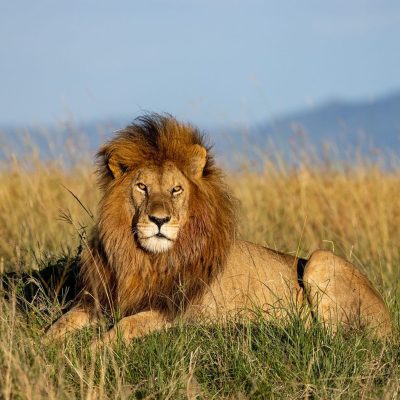
Kenya provides strong opportunities to see lions, particularly across the Masai Mara's open grasslands.
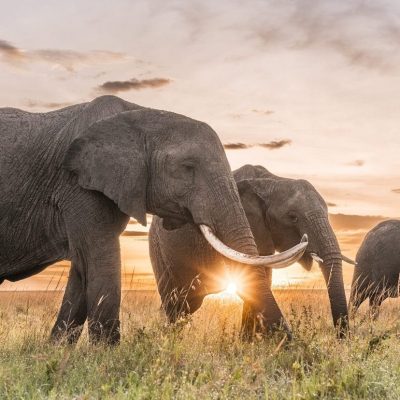
Amboseli is especially known for elephants and dramatic views toward Mount Kilimanjaro.
The Masai Mara's open plains provide good opportunities for cheetah encounters.
Protected areas including Lake Nakuru and Ol Pejeta offer important rhino-viewing opportunities.
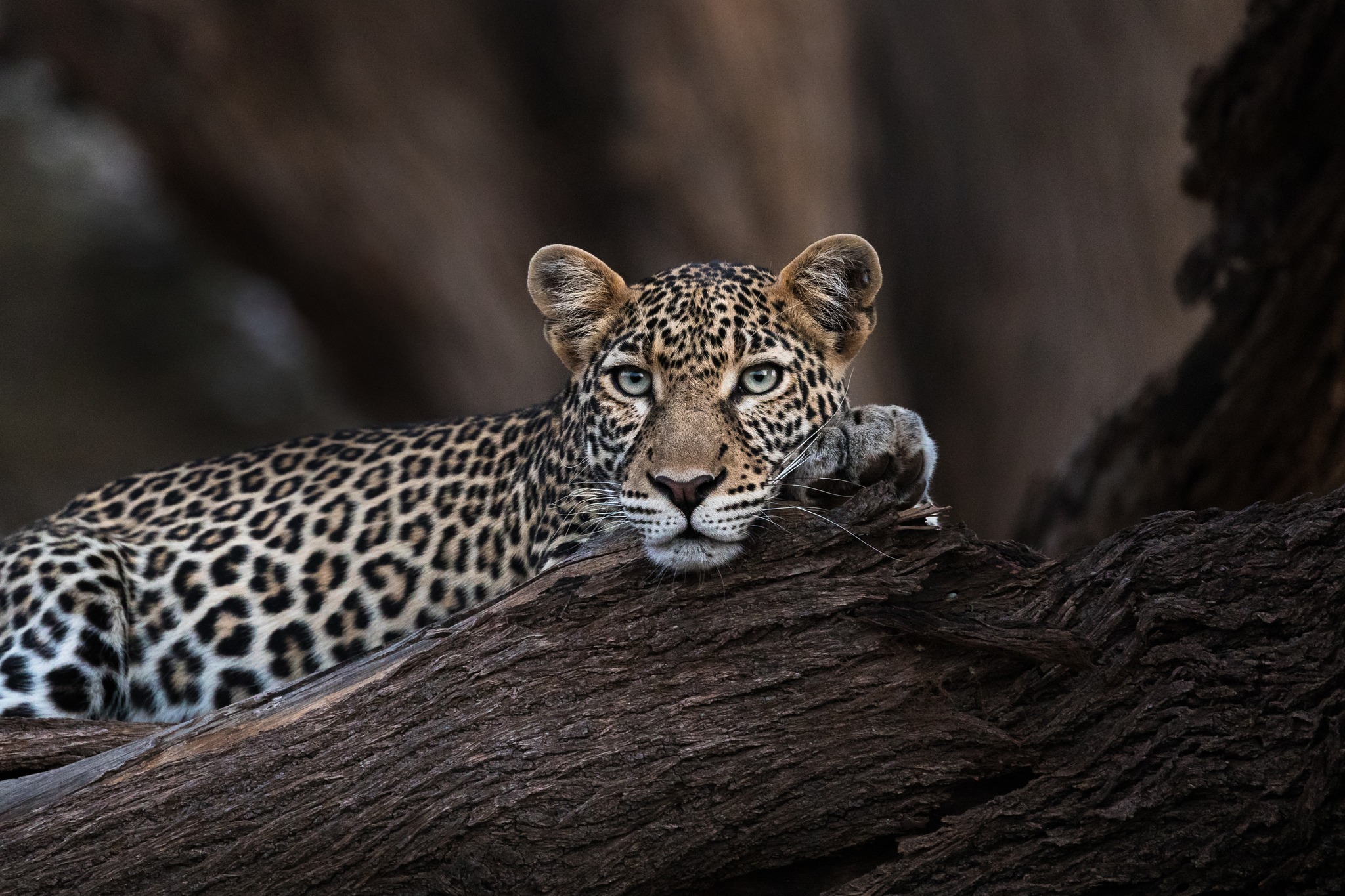
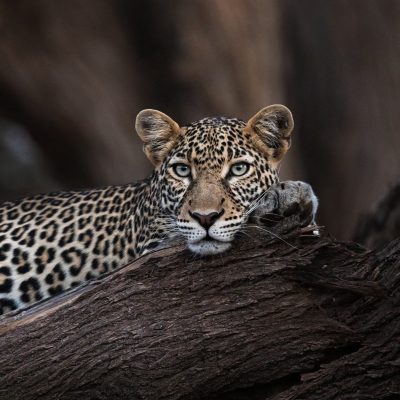
Leopards occur across several Kenyan ecosystems but are elusive and require patient guiding.
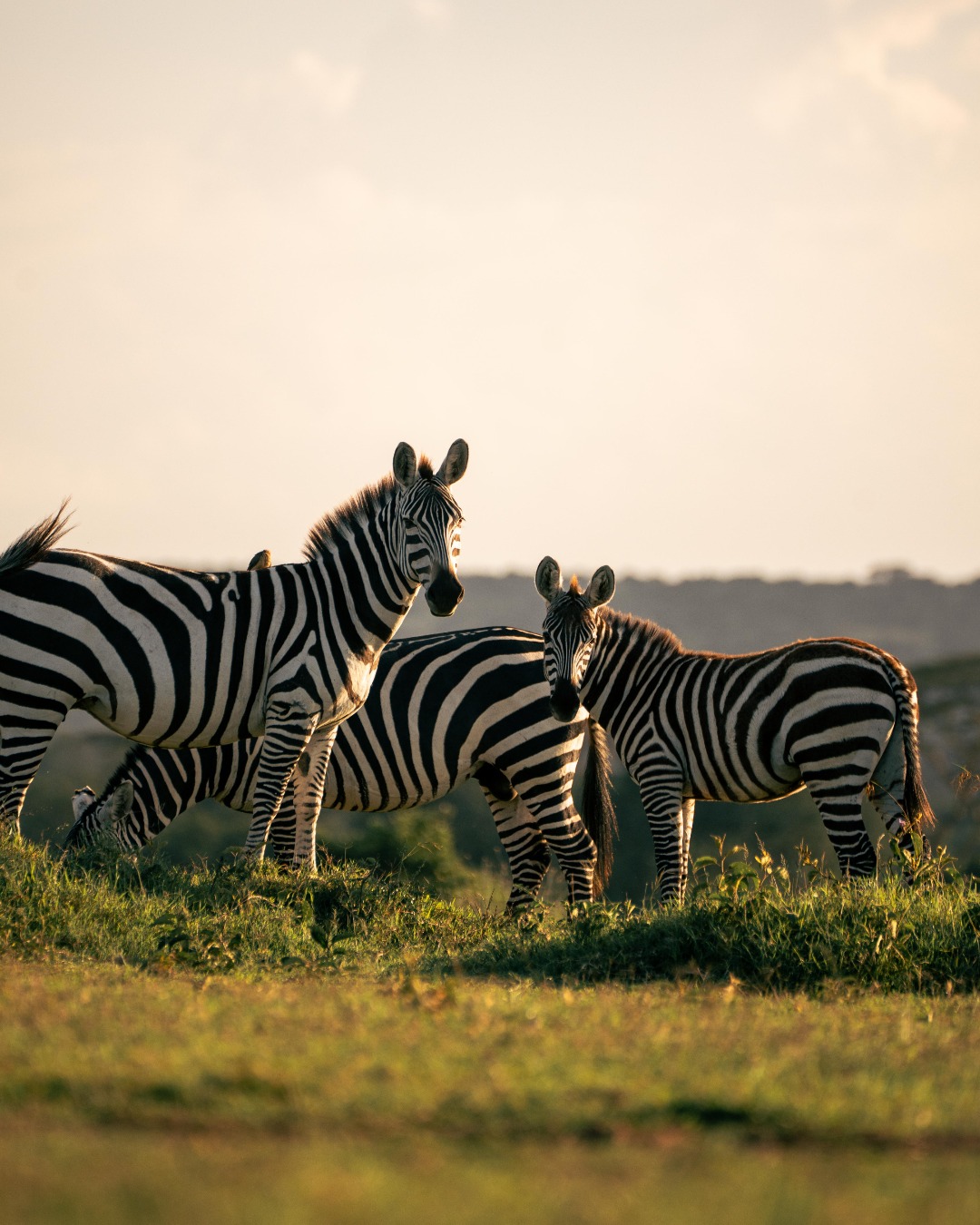
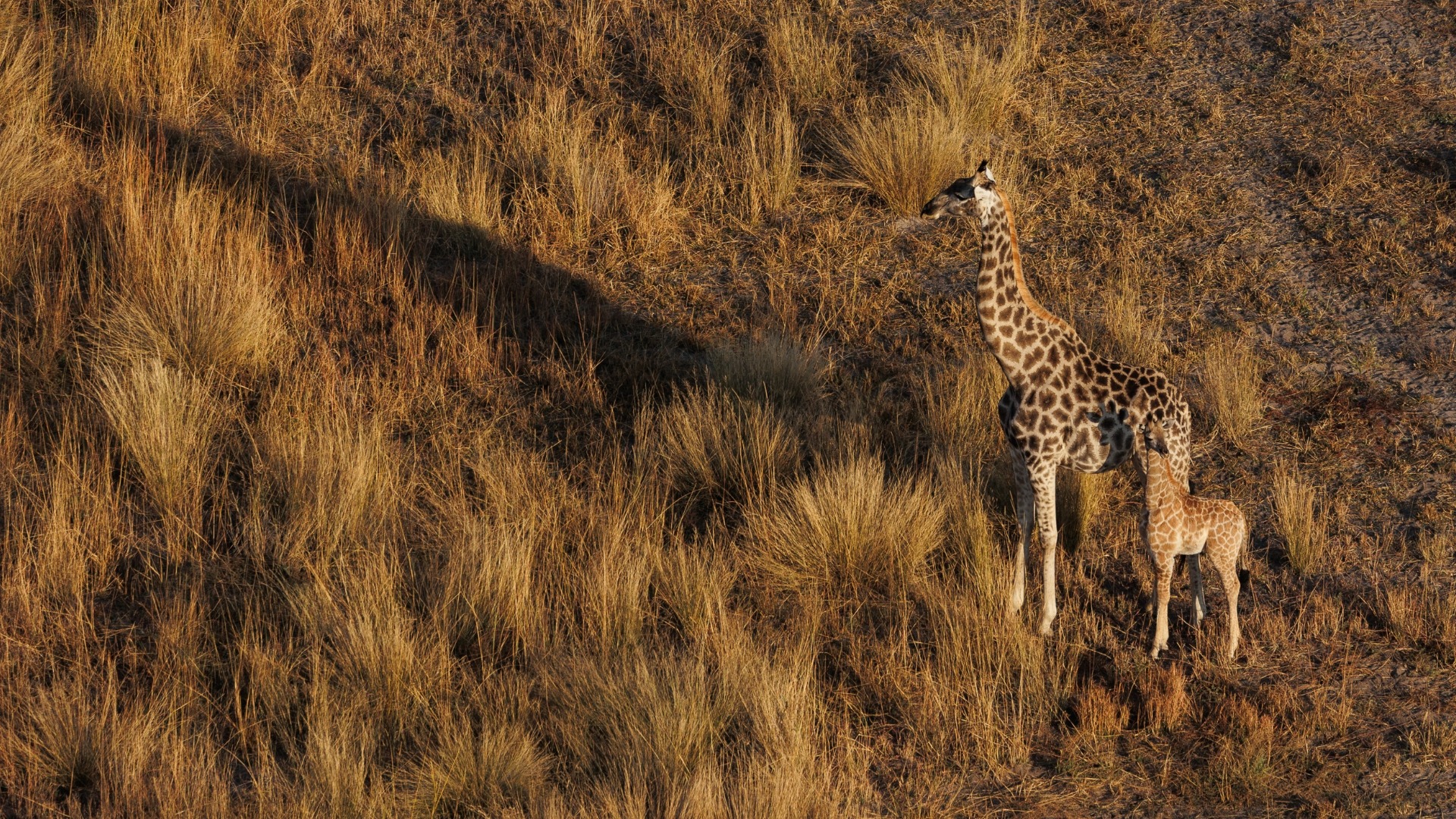
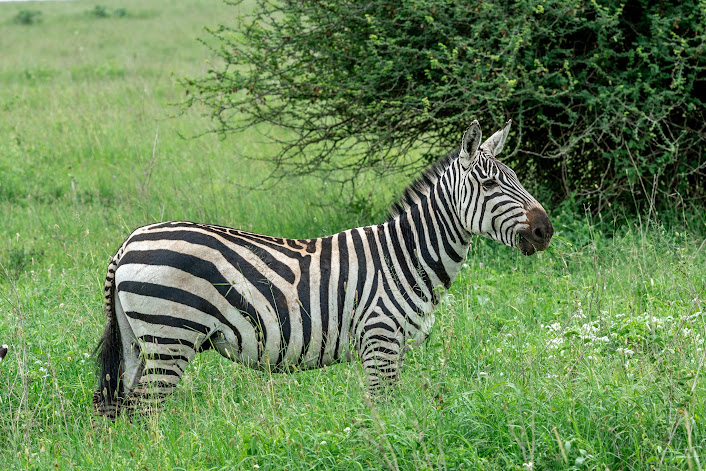
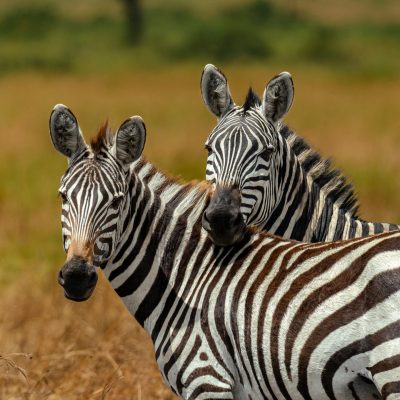
These iconic herbivores are widely encountered across Kenya's savannah landscapes.
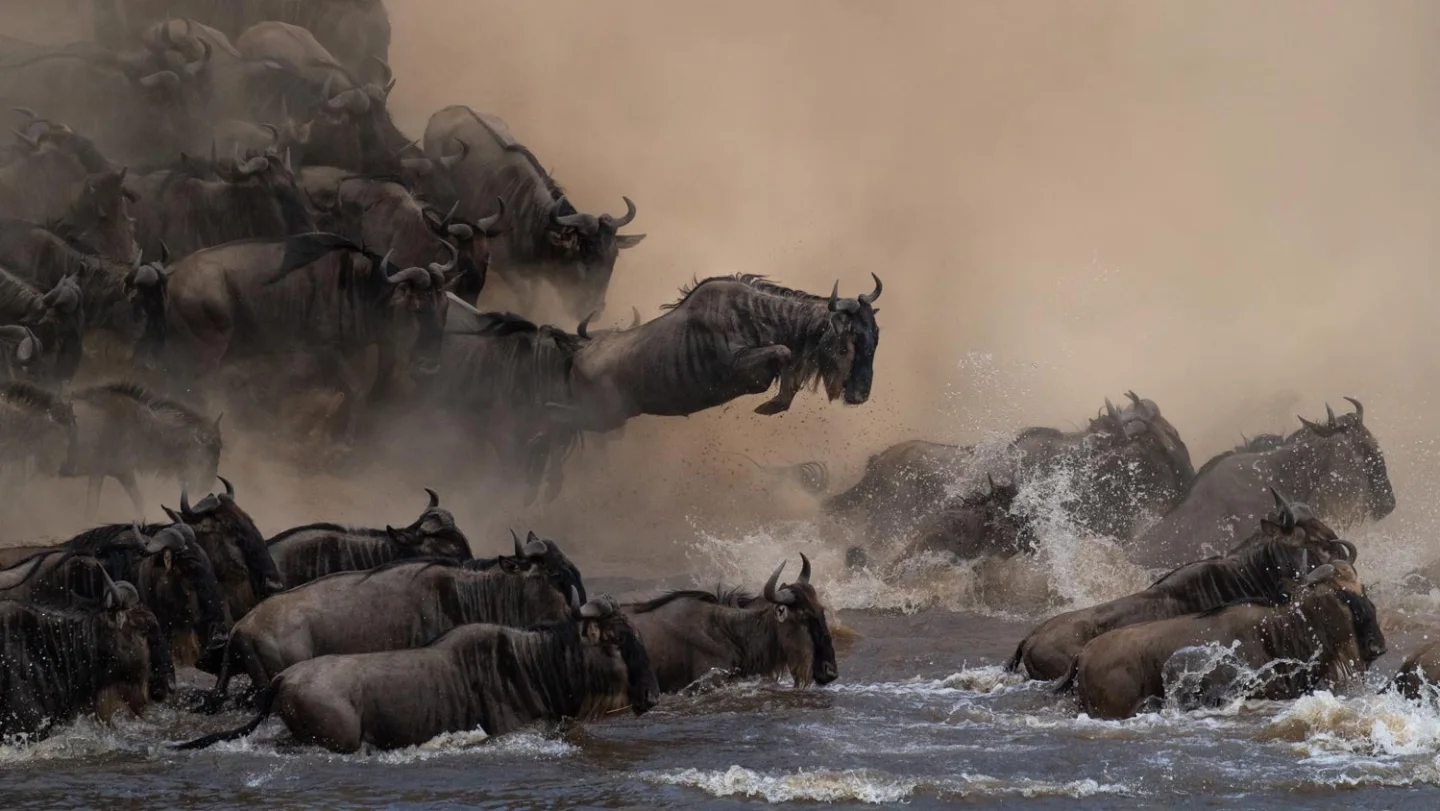
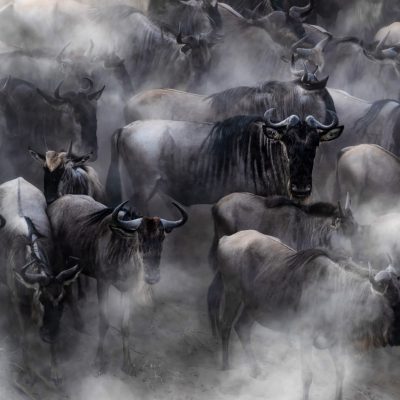
The Masai Mara forms part of the annual Great Migration route, bringing large herds into the ecosystem seasonally.
Search for predators and abundant plains wildlife.
Experience seasonal wildebeest movements when timing aligns.
Combine elephants with spectacular mountain scenery.
Explore Kenya's distinctive northern wildlife and landscapes.
Experience conservation-focused wildlife areas.
Learn about local traditions through responsible experiences.
Combine wildlife with a scenic Rift Valley lake environment.
Most international visitors arrive through Nairobi's Jomo Kenyatta International Airport.
Scheduled and charter flights connect Nairobi with major safari destinations.
Kenya is connected by road with Uganda and Tanzania.
Kenya works particularly well with Uganda and Tanzania for multi-country East African safaris.
Kenyan Shilling (KES); cards are widely used by established tourism businesses.
English and Kiswahili are widely used, alongside many local languages.
Kenya commonly uses Type G electrical sockets; an adapter may be useful.
Connectivity is generally good in towns but can become limited in remote safari areas.
Kenya operates on East Africa Time (EAT), UTC+3, throughout the year.
Follow your guide's instructions and maintain safe distances from wildlife during safari activities.
Remote safari journeys can involve long drives and rough sections, making a professional driver-guide important.
Discuss appropriate malaria prevention with a qualified travel-health professional before travelling.
Vaccination requirements can apply depending on your travel history and countries visited before Kenya.
Comprehensive insurance is recommended, particularly for remote safari areas and unexpected medical or travel disruptions.