Uganda's Intimate Savannah Escape
Lake Mburo National Park is a compact savannah park in southwestern Uganda, known for zebras, antelopes, wetlands, lakeside scenery and walking safaris.
Unlike Uganda’s larger parks, Lake Mburo offers a more intimate safari experience and is particularly useful as a stop between Kampala, Entebbe and southwestern Uganda.
Lake Mburo is worth considering when you want more than a vehicle safari. Walking and boat experiences give you a closer appreciation of the park's landscape and wildlife.
- Apollo Musinguzi Contact Us
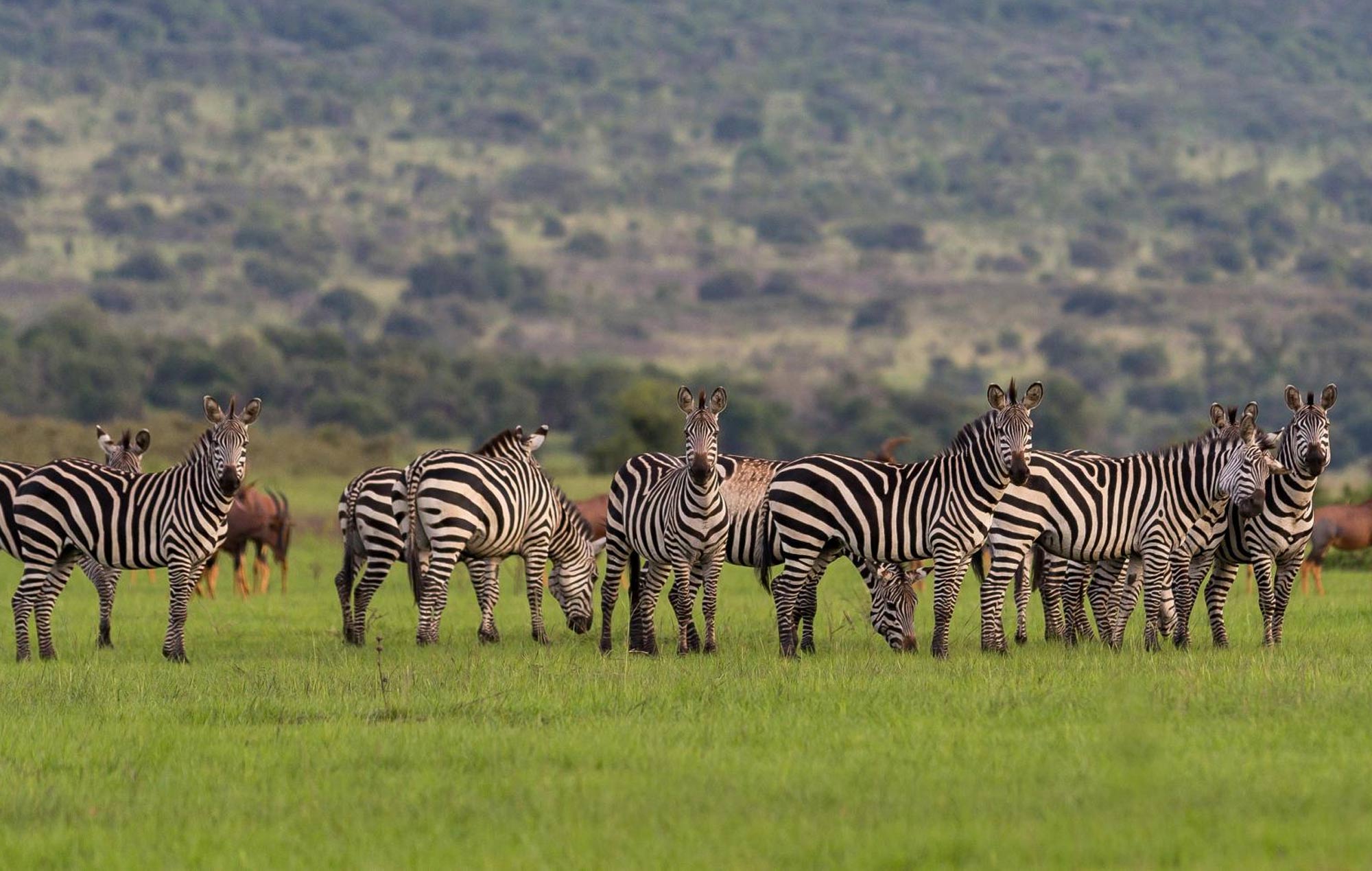
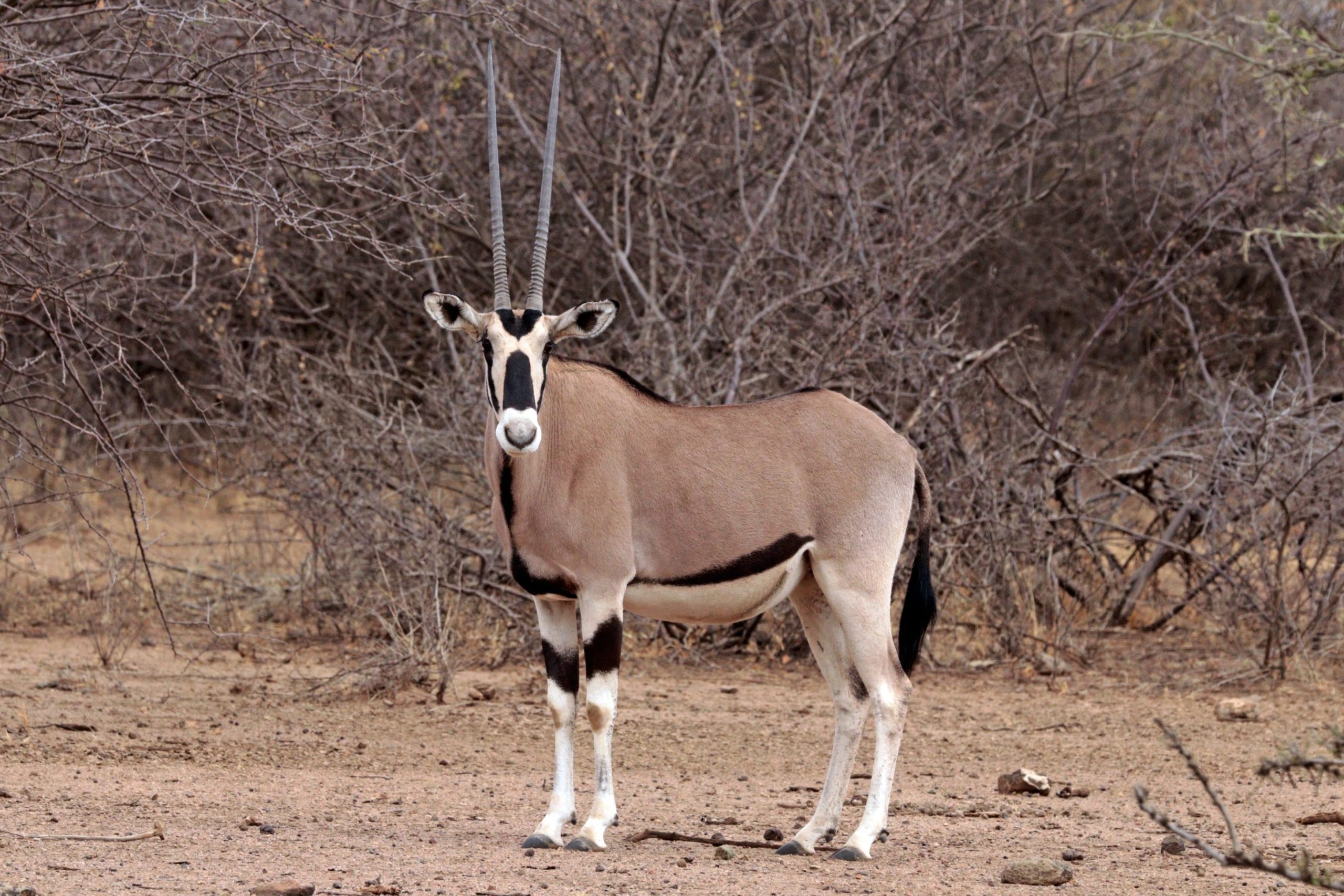
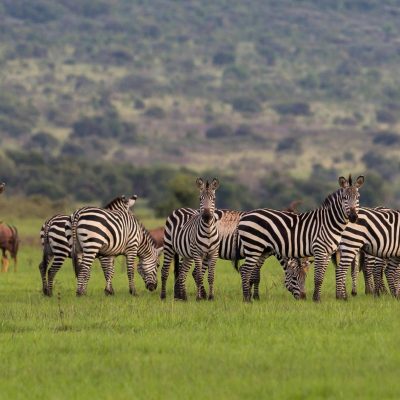
One of Lake Mburo's signature animals, commonly associated with its open grassland habitats.
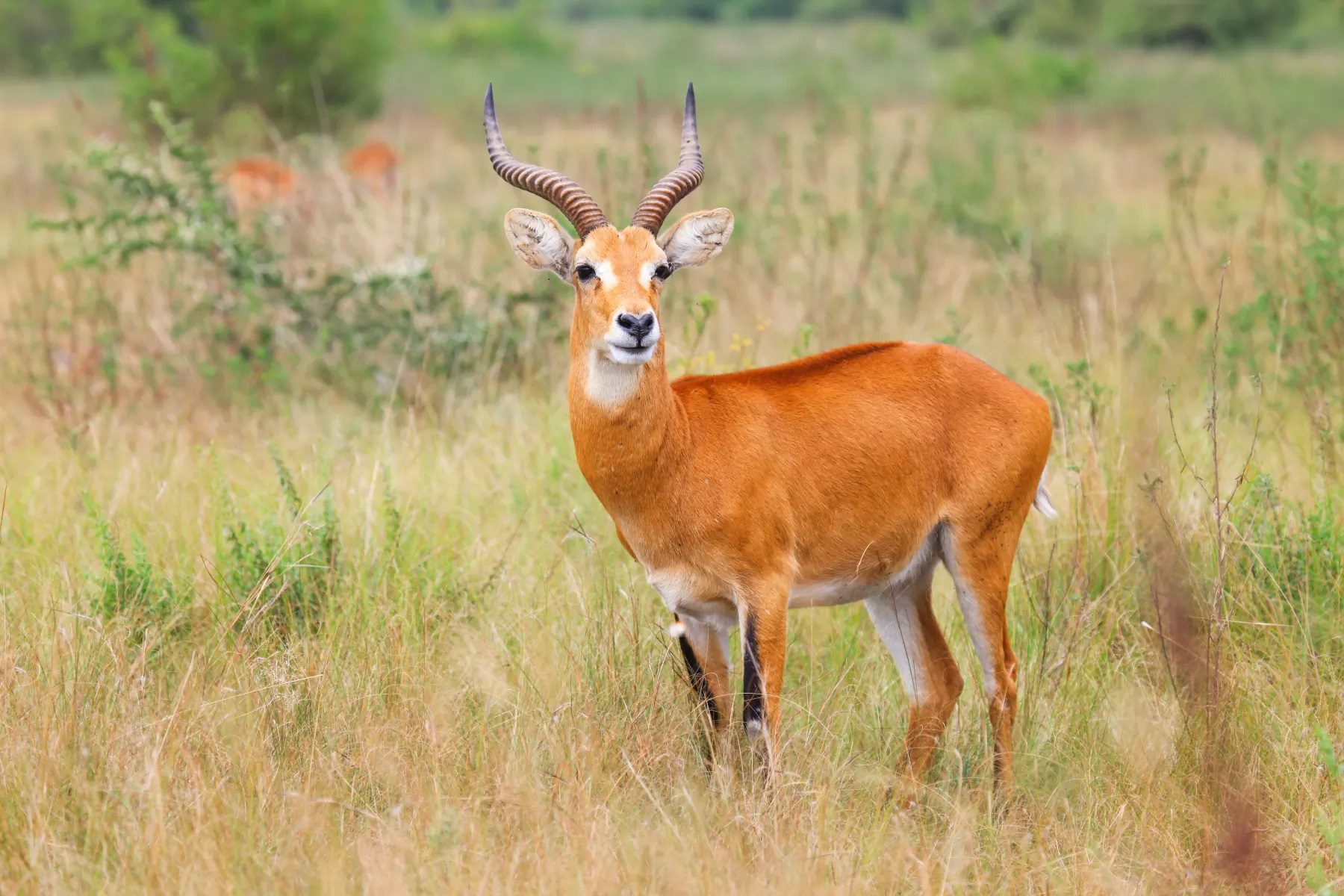
A prominent antelope species that contributes to the park's characteristic savannah wildlife experience.
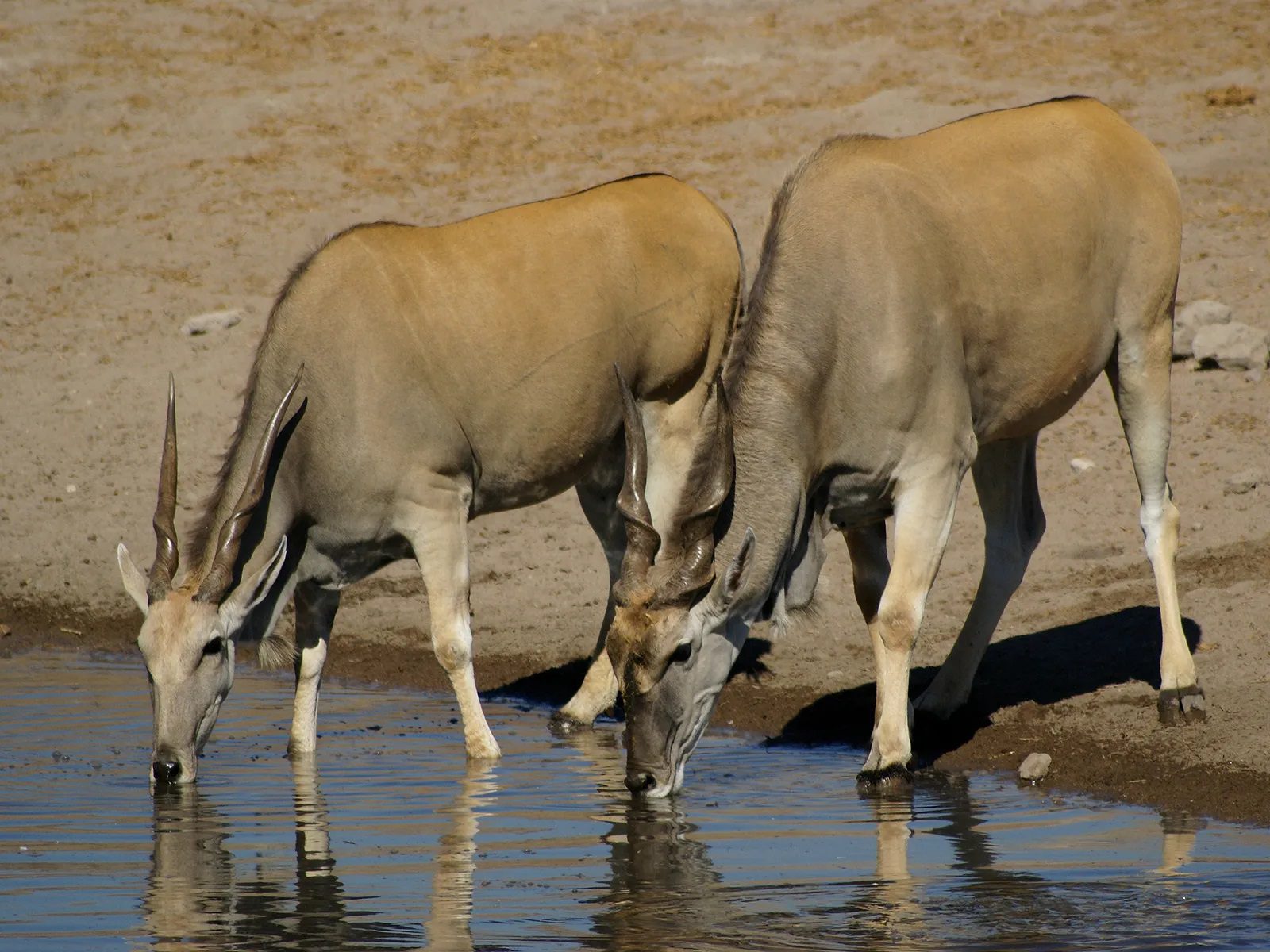
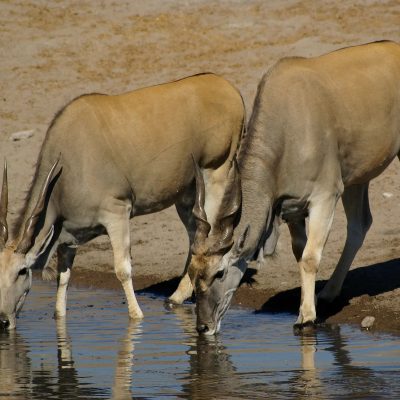
The park offers opportunities to encounter the large eland, one of Africa's biggest antelopes.
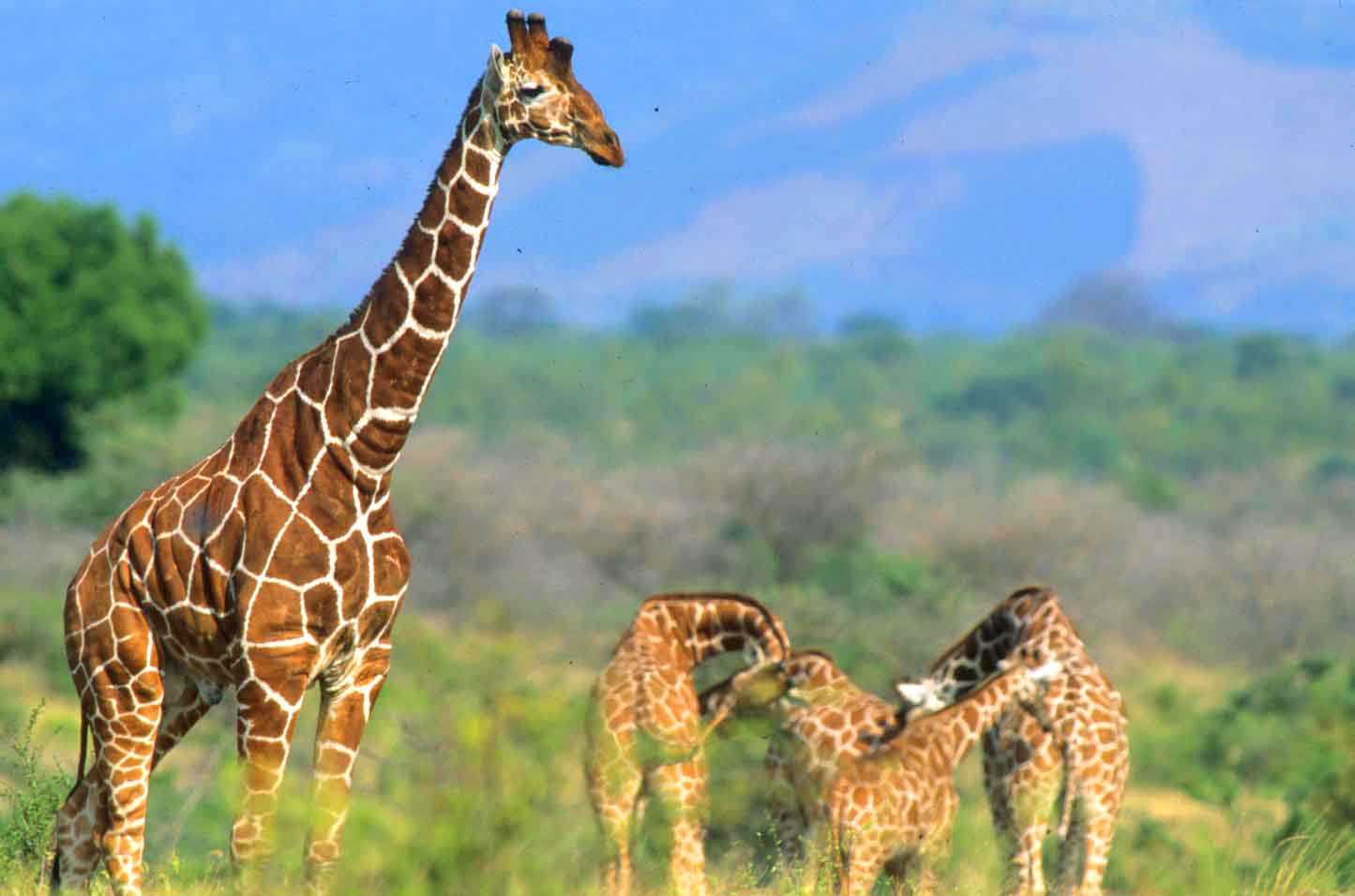
Giraffes can be encountered browsing among woodland and savannah vegetation.
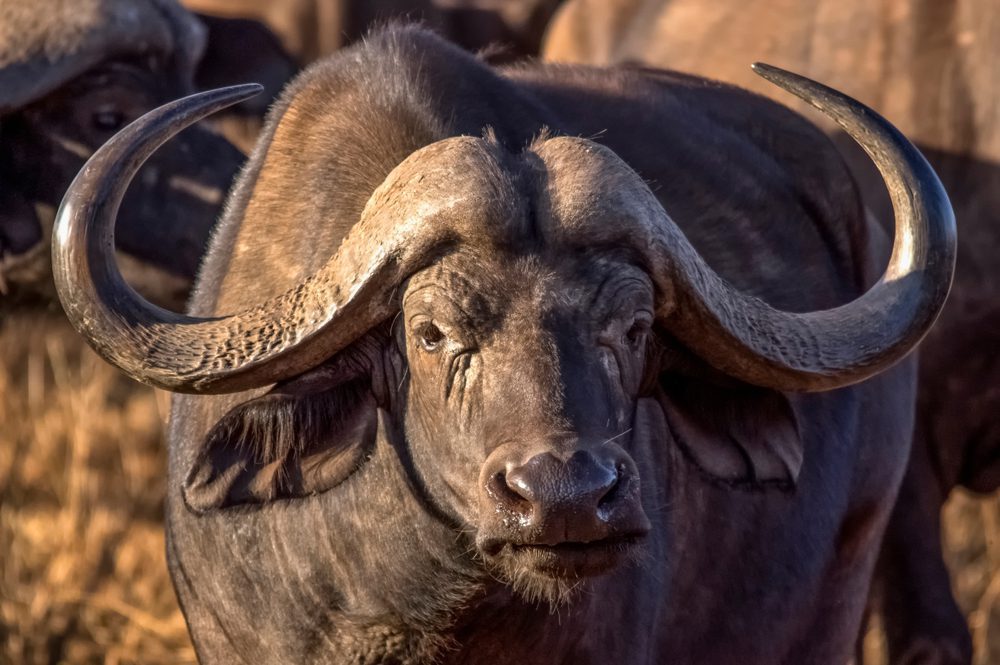
Buffalo are among the larger mammals found around the park's grasslands and wetlands.
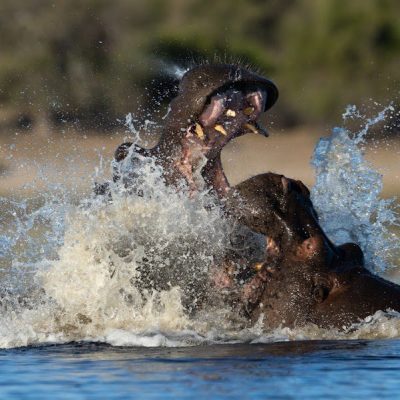
Hippos can be observed around Lake Mburo, particularly during boat-based wildlife experiences.
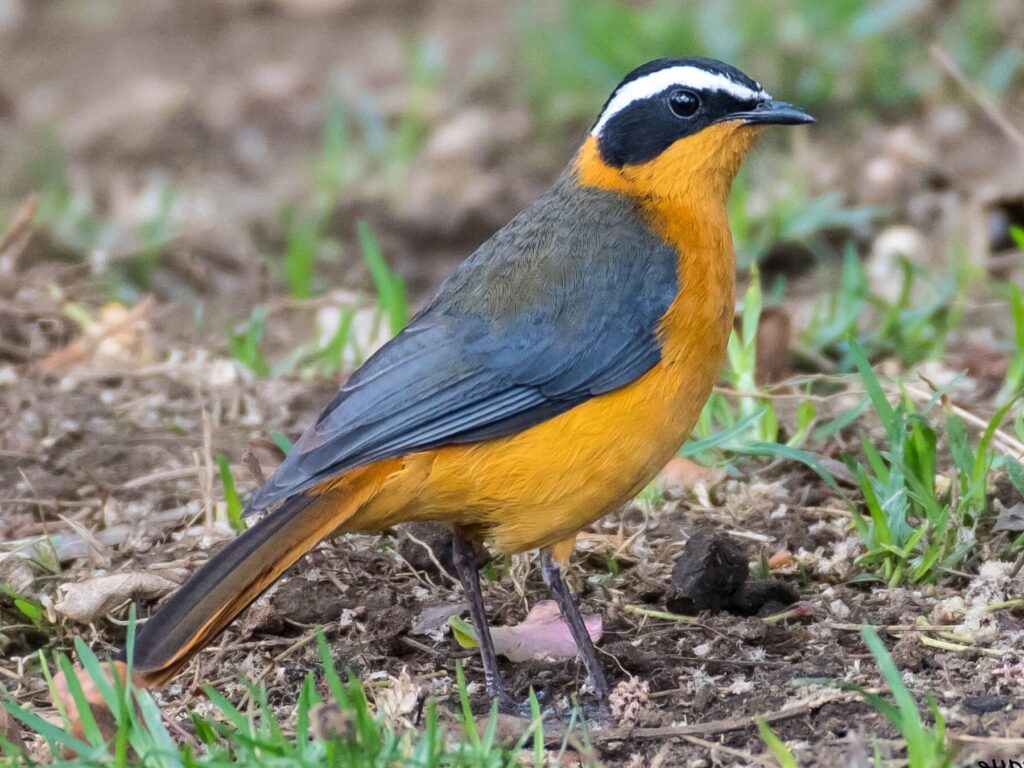
The park's wetlands, lake and savannah habitats make it an appealing destination for birdwatchers.
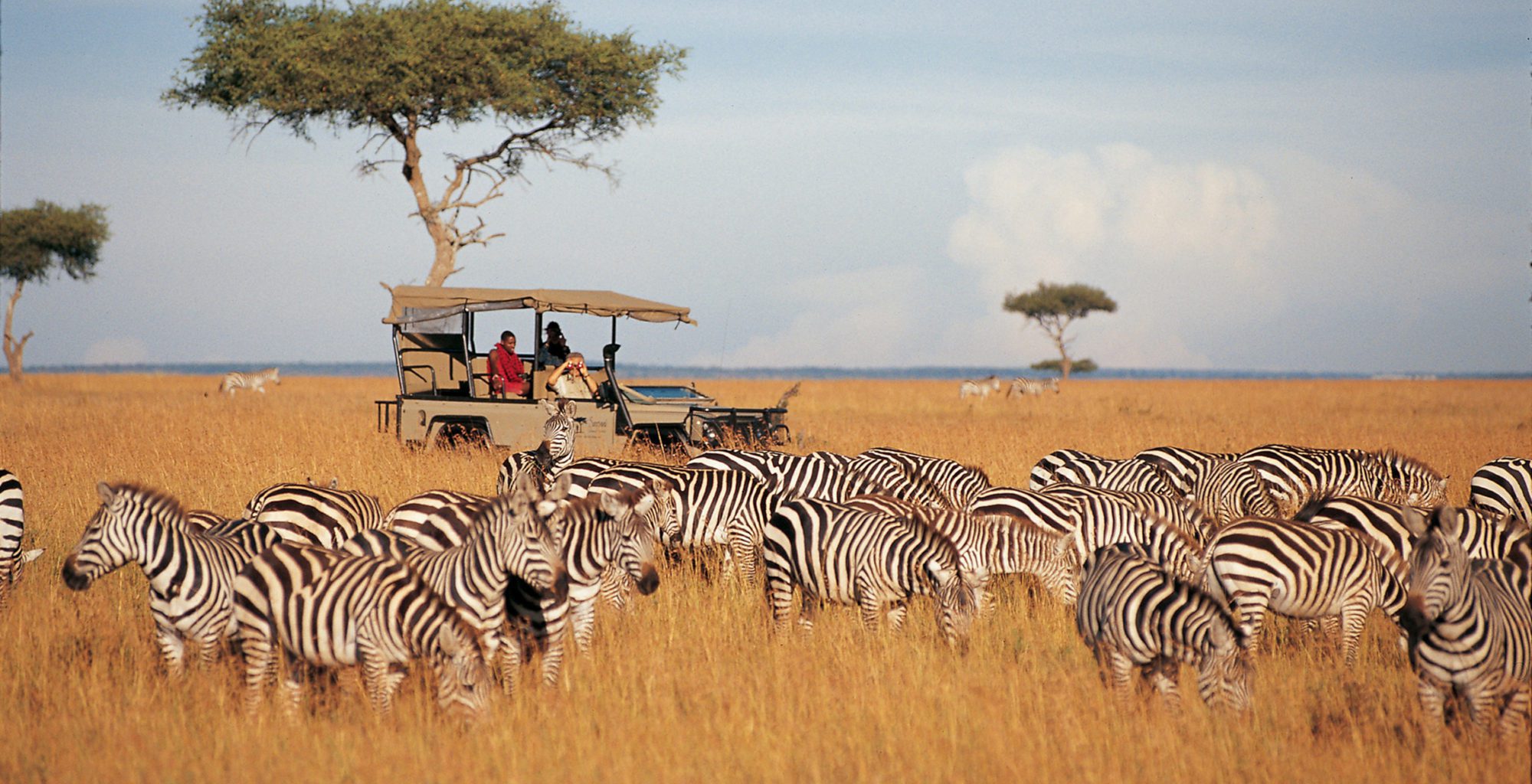
Explore the savannah in search of zebras, antelopes, giraffes and other wildlife.
Explore Lake Mburo and look for hippos, crocodiles and waterbirds.
Experience the park on foot with an appropriately trained guide.
Explore selected areas around the park by bicycle where permitted.
Search wetlands, woodland and savannah for Uganda's diverse birdlife.
Learn about communities and pastoral traditions around the park.
Lake Mburo is accessible from Kampala and Entebbe by road, making it a practical stop on journeys toward southwestern Uganda.
It can work well as part of a longer southwestern Uganda itinerary.
Lake Mburo can be combined with Queen Elizabeth National Park for a broader Uganda safari.
Travellers using scheduled or chartered flights can explore available regional air connections and transfer arrangements.
Lake Mburo National Park is in southwestern Uganda, making it a useful stop between central and southwestern regions.
Uganda uses the Ugandan Shilling (UGX), while established tourism businesses may accept major foreign currencies or cards.
Visitors can choose from safari lodges, tented camps and other accommodation around the park.
Connectivity varies, with stronger service in populated areas and weaker coverage inside remote park sections.
Game drives, guided walks and boat activities provide different ways to explore the park.
Follow your guide's instructions and maintain safe distances from wildlife during all park activities.
Walking should only be undertaken with an authorized and appropriately trained guide.
Discuss suitable malaria prevention with a qualified travel-health professional before travelling.
Uganda requires yellow fever vaccination certification in relevant circumstances, depending on travel history.
Comprehensive insurance is recommended for safari activities, medical emergencies and unexpected travel disruptions.