Tanzania's Endless Wildlife Frontier
June–October — High demand, dry conditions and excellent wildlife viewing.
June–October — Strong game viewing with opportunities to experience the migration in different areas.
Great Migration, Big Five, predators and vast open savannah.
Wildebeest, zebras, lions, cheetahs, leopards, elephants and diverse plains wildlife.
Serengeti National Park is one of Africa’s most celebrated safari destinations, famous for its vast grasslands, abundant wildlife and the annual Great Migration.
The park is particularly rewarding for travellers who want extensive game drives, predator encounters and a feeling of being surrounded by wilderness. Unlike a destination built around one wildlife attraction, the Serengeti offers strong resident wildlife throughout the year.
Its enormous scale also means different areas provide different experiences, so choosing the right region and season matters.

Don't choose your Serengeti itinerary based only on the migration. Resident wildlife is one of the park's biggest strengths, and the best area to visit depends heavily on your travel dates.
- Apollo Musinguzi Contact Us
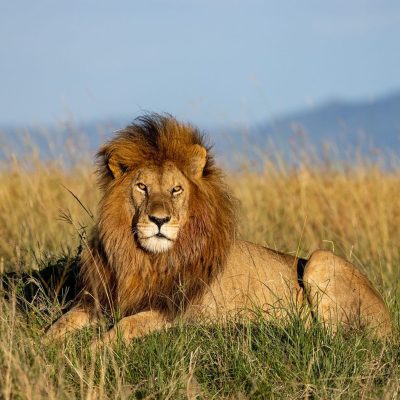
The Serengeti supports strong lion-viewing opportunities, with prides frequently encountered across suitable grassland habitats.
Open plains provide excellent habitat for cheetahs, particularly in areas where visibility is good.
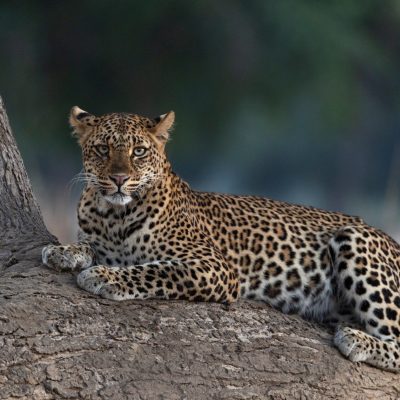
Leopards occur throughout the ecosystem but remain elusive and are best found with patient guiding.
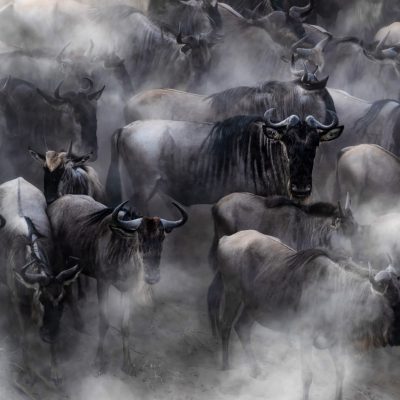
Millions of wildebeest participate in the broader Great Migration ecosystem, moving between grazing areas throughout the year.
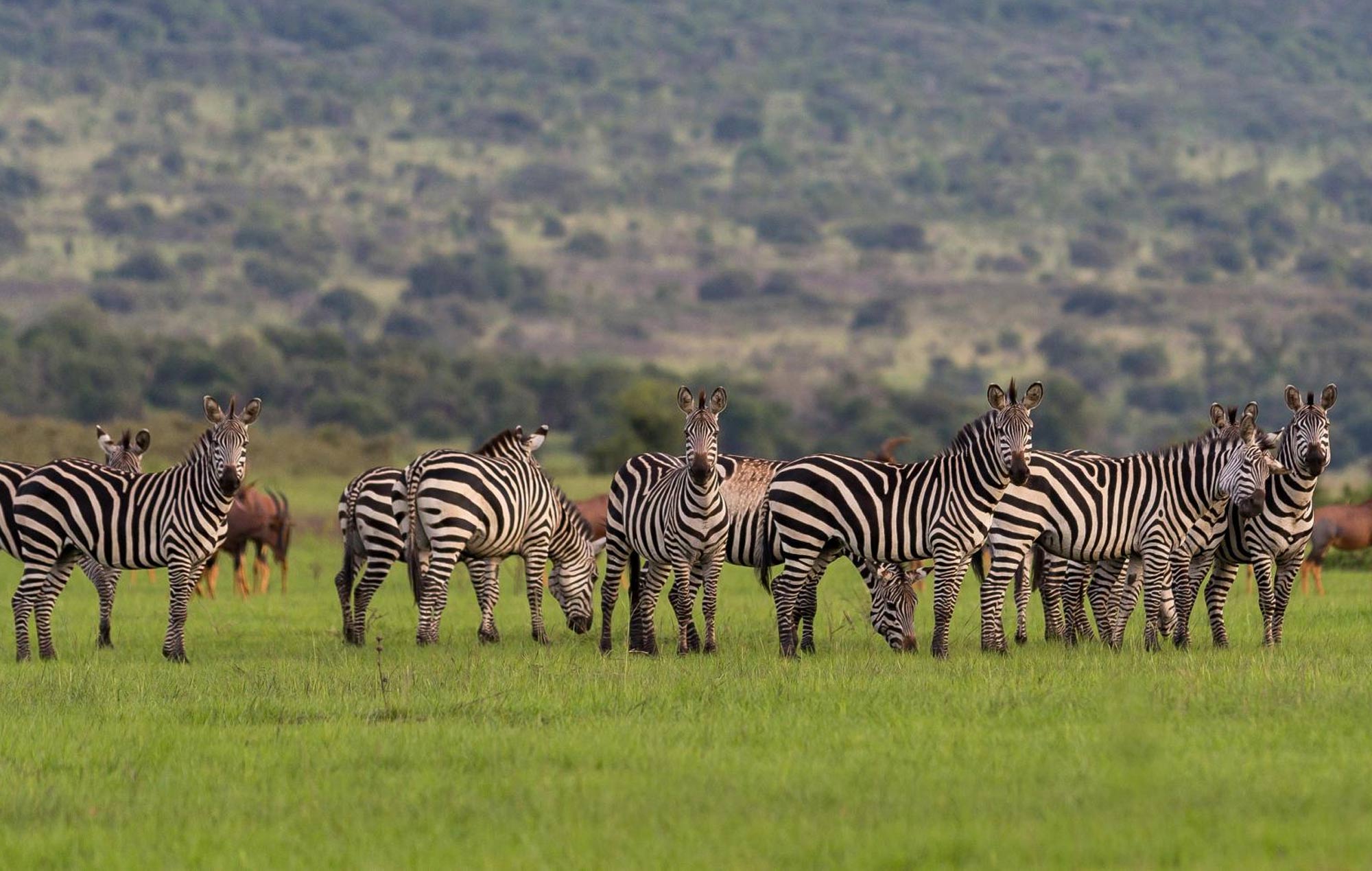
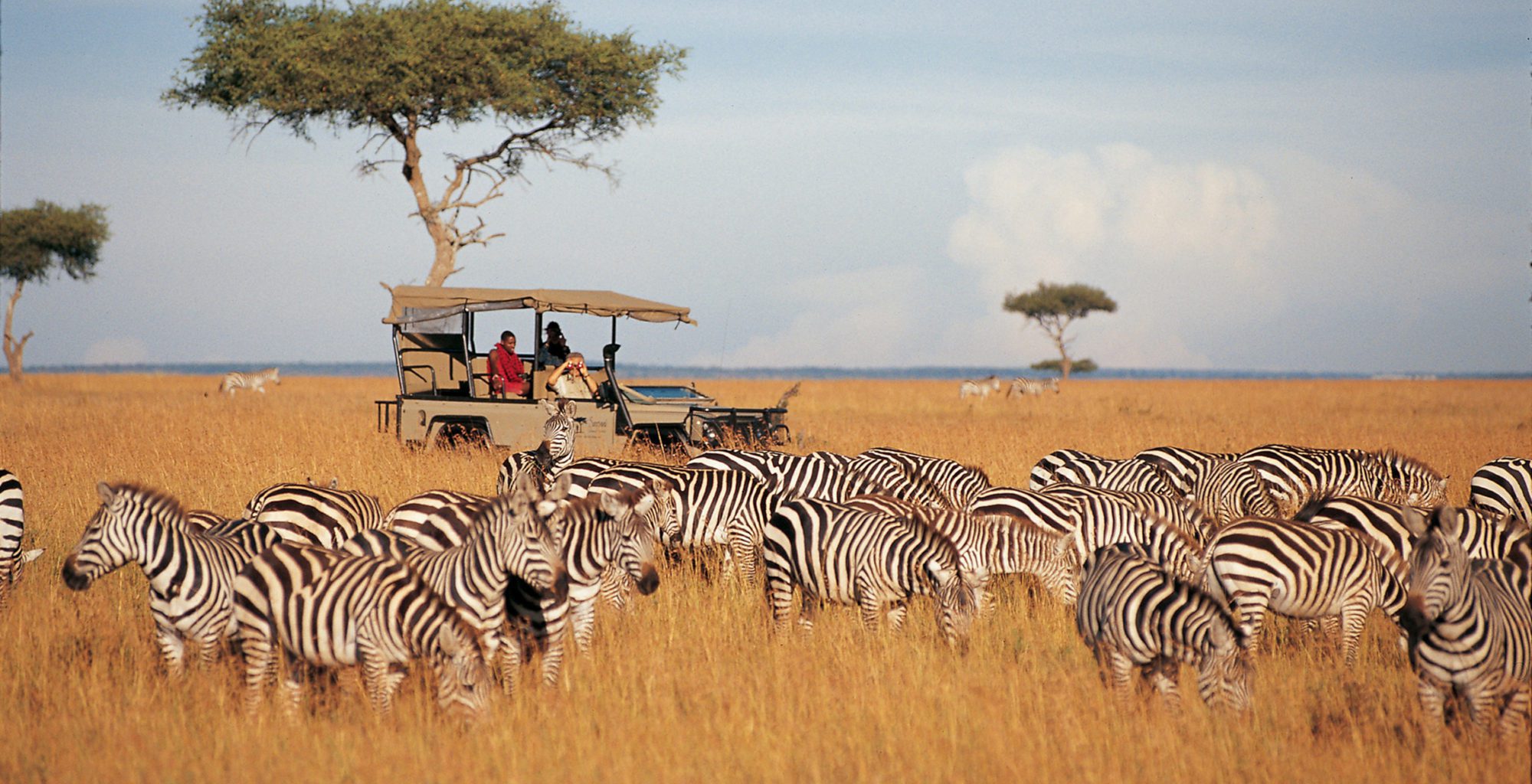
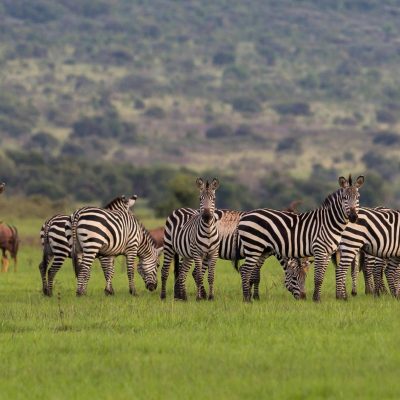
Zebras travel alongside wildebeest and are also resident across Serengeti habitats.
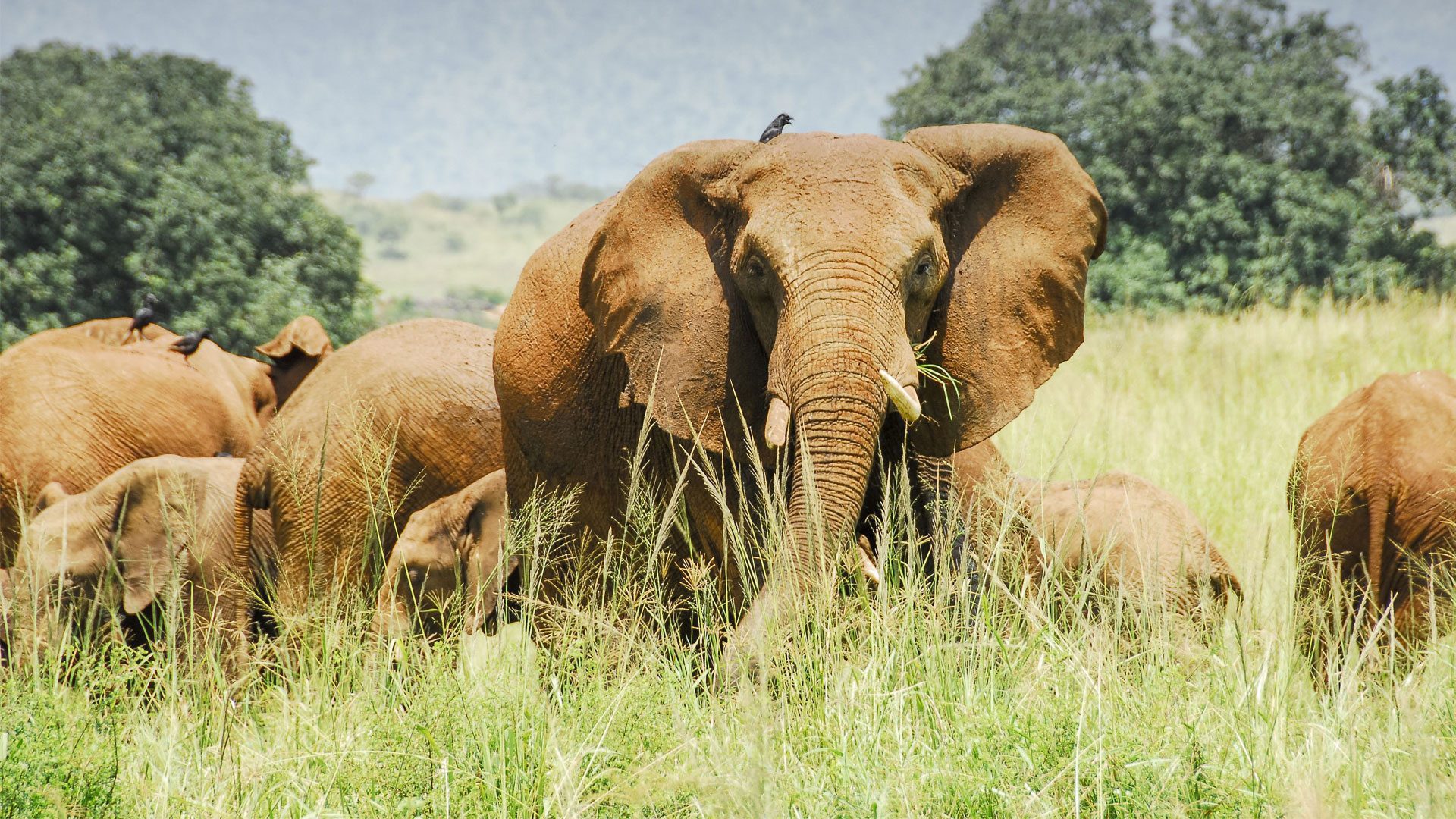
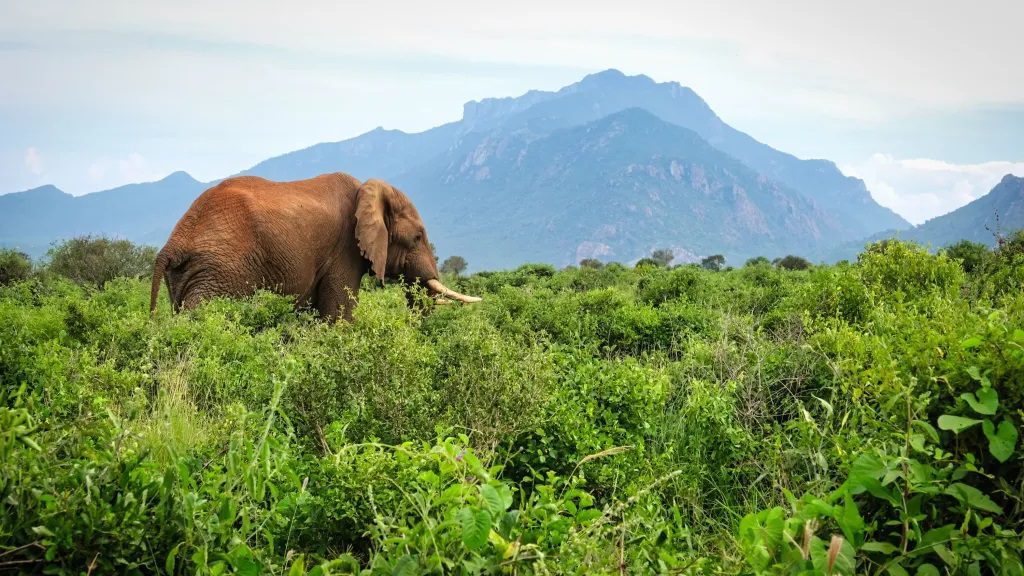
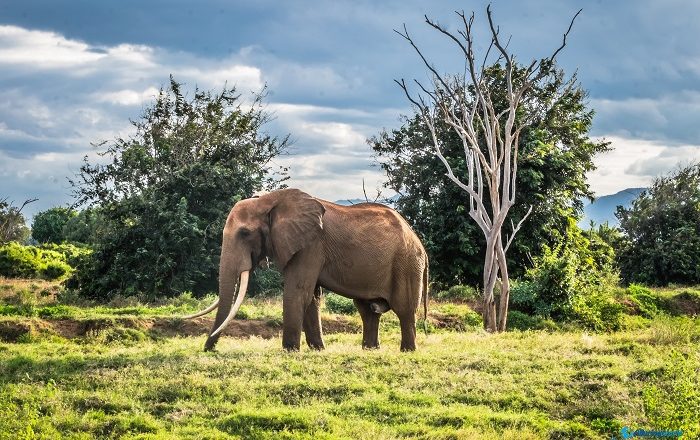
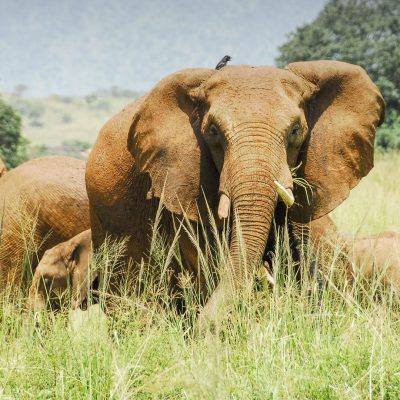
Elephants can be encountered in several areas of the park, particularly around suitable woodland and water habitats.
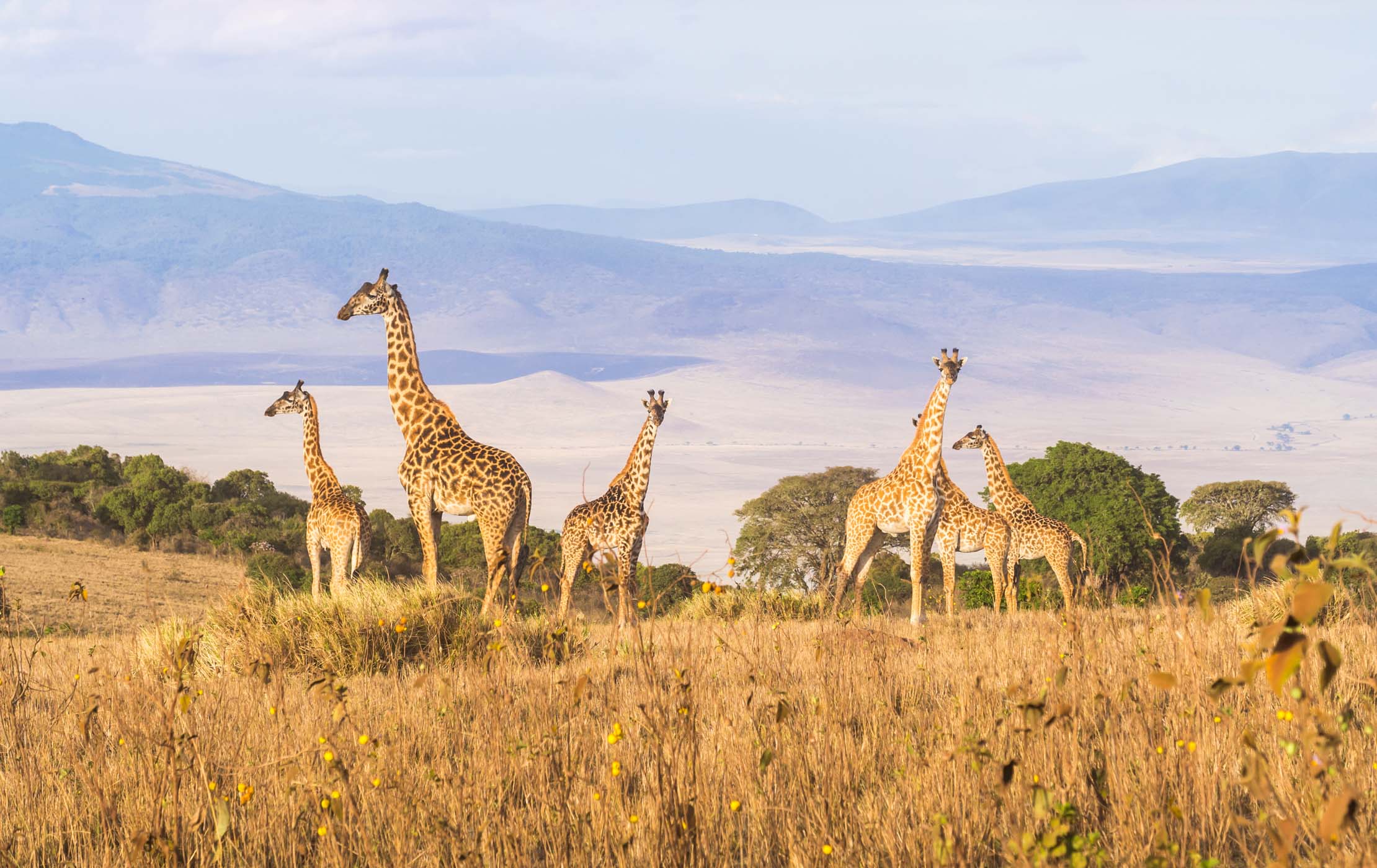
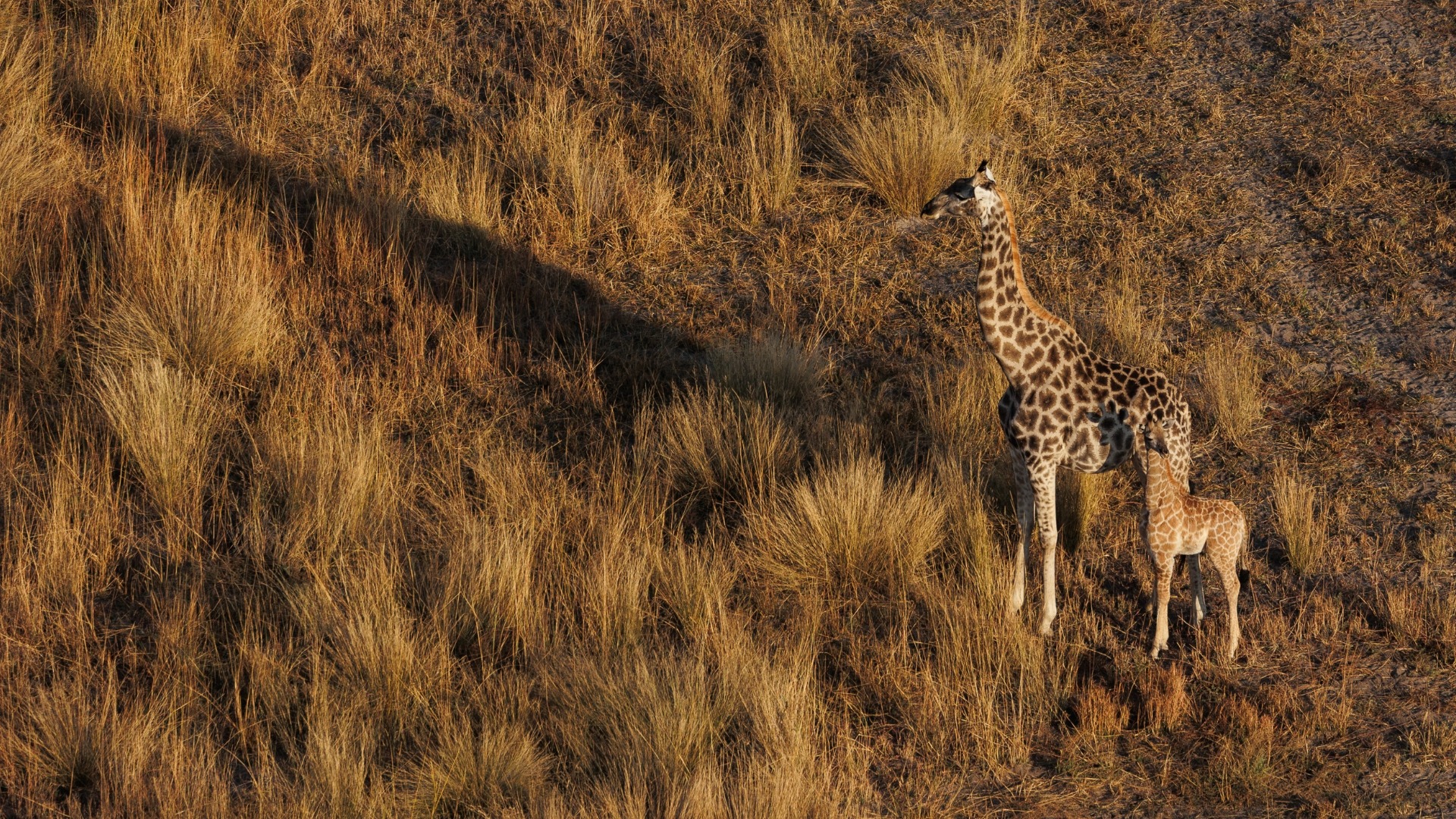
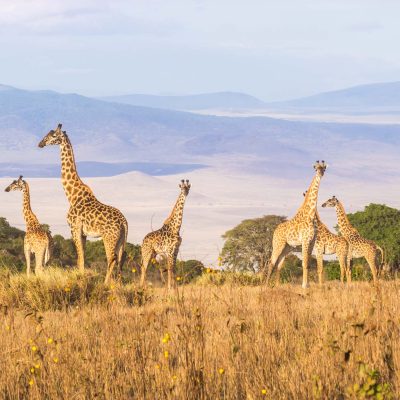
Giraffes contribute to the Serengeti's diverse large-mammal experience and can be encountered during game drives.
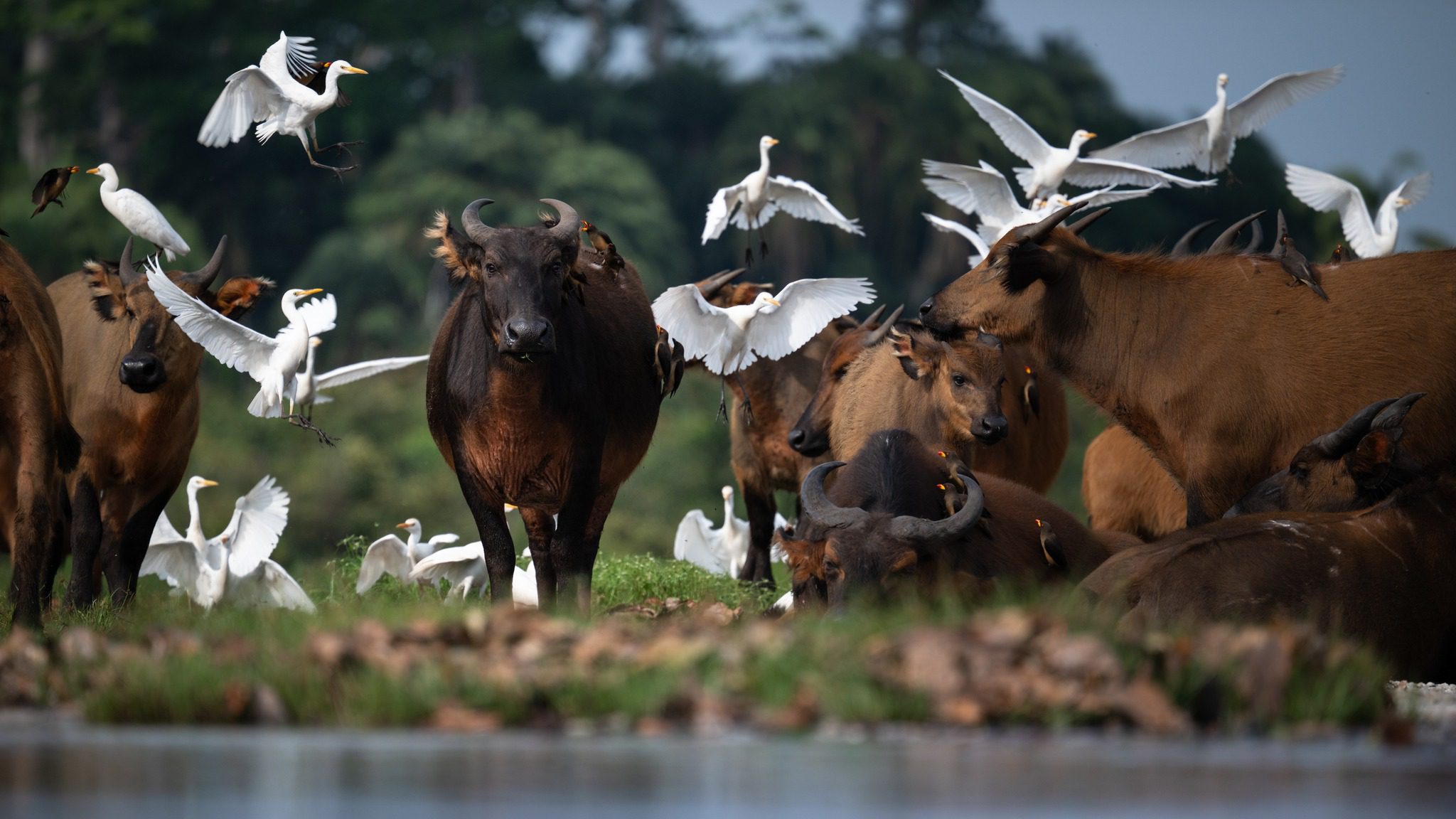
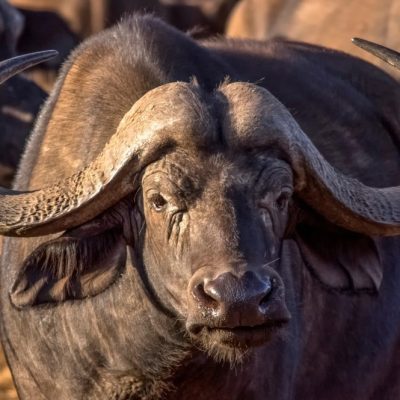
Large buffalo herds form an important part of the Serengeti ecosystem and can be seen during game drives.
Explore the plains in search of predators, herbivores and seasonal wildlife concentrations.
Follow the migration according to the seasonal location of the herds.
Search for lions, cheetahs and elusive leopards.
Experience the Serengeti's wildlife and landscapes during the cooler early hours.
Open plains and abundant wildlife provide excellent photographic opportunities.
Experience the Serengeti from above where licensed balloon operations are available.
Travellers can fly from Arusha or other Tanzanian safari destinations to airstrips serving different Serengeti areas.
The Serengeti can be reached by safari vehicle from the northern Tanzania safari circuit.
Serengeti and Ngorongoro are commonly combined in the same northern Tanzania itinerary.
The Serengeti can be combined with Kenya's Masai Mara, although border logistics and routing require careful planning.
Serengeti National Park is in northern Tanzania and forms part of the wider Serengeti–Mara ecosystem.
Tanzanian Shilling (TZS); major safari properties commonly accept international payment methods.
Options range from permanent lodges to mobile and luxury tented camps across different Serengeti areas.
Connectivity varies by location and can be limited in remote parts of the park.
Game viewing is primarily conducted by safari vehicle with a professional guide.
Stay inside the safari vehicle unless your guide confirms that leaving it is safe.
Long distances and limited services make professional guiding and good trip planning important.
Discuss appropriate malaria prevention with a qualified travel-health professional before travelling.
Requirements depend on your travel history and countries visited before entering Tanzania.
Comprehensive insurance is recommended for safari activities, medical emergencies and unexpected travel disruptions.