Where Predators Rule the Endless Plains
July–October — High demand and excellent opportunities for wildlife and migration viewing.
July–October — Popular for dry-season game viewing and the Great Migration.
Great Migration, Big Five, big cats and expansive savannah.
Lions, cheetahs, leopards, elephants, buffalo, wildebeest and abundant plains wildlife.
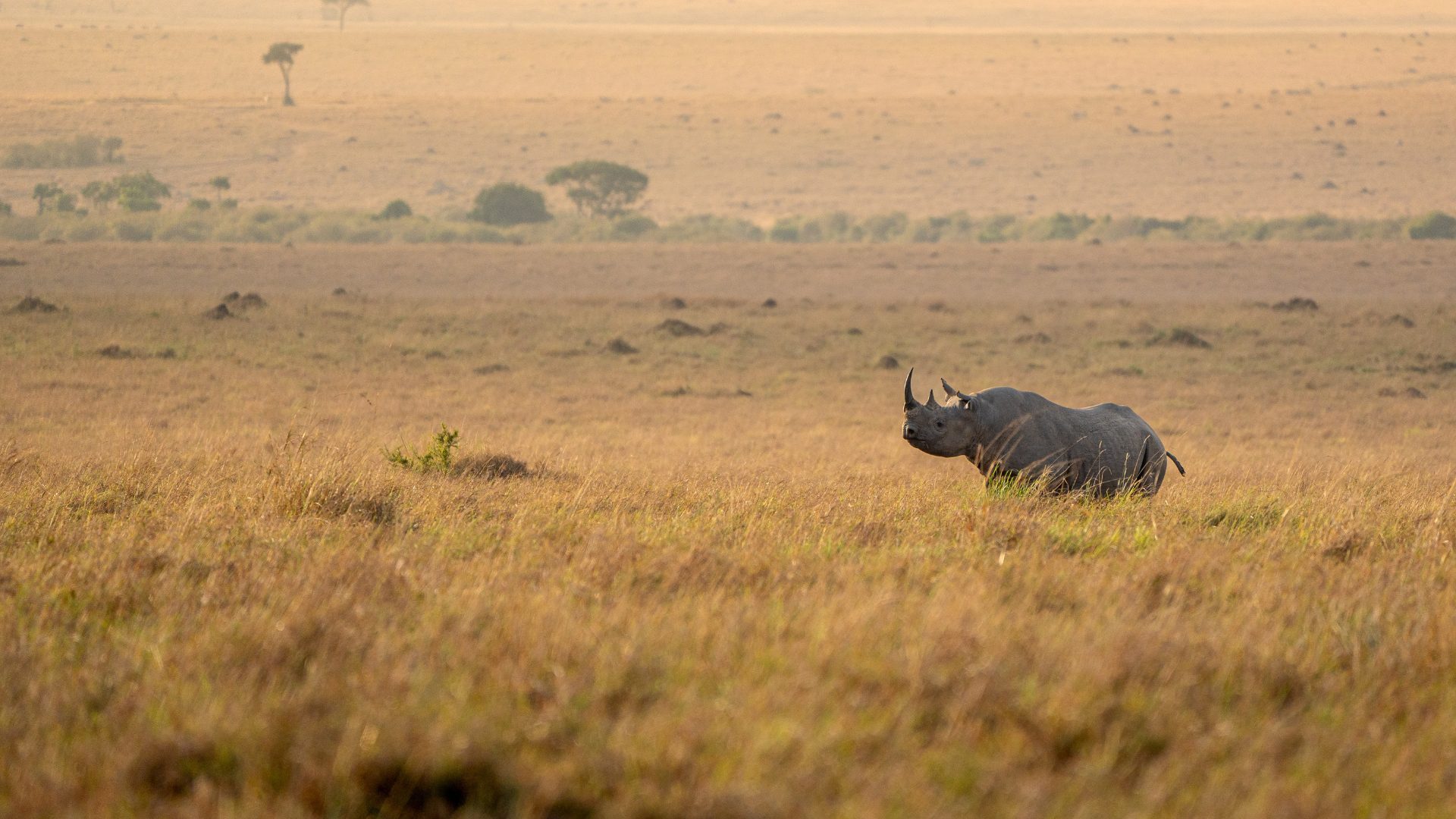
Masai Mara National Reserve is Kenya’s most famous safari destination, known for open grasslands, abundant wildlife, big cats and the annual Great Migration.
The reserve is particularly rewarding for travellers who want a classic African safari focused on game drives and predator encounters. Its open landscapes make wildlife relatively easy to observe, although visitor numbers can increase around popular sightings and during peak migration periods.
For first-time safari travellers, the Masai Mara is one of Kenya’s strongest starting points.

Don't plan your Mara safari only around the migration. Resident wildlife is the reserve's year-round strength, and a quieter period can sometimes provide a more relaxed game-viewing experience.
- Apollo Musinguzi Contact Us
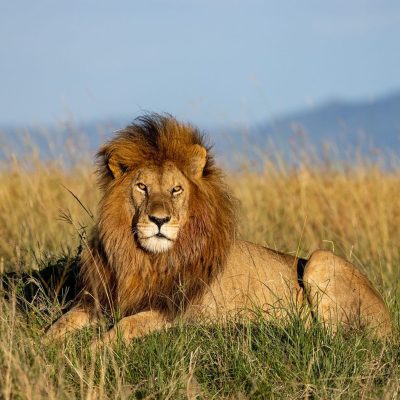
The Mara is renowned for its lion populations and offers strong opportunities to observe prides hunting, resting and interacting.
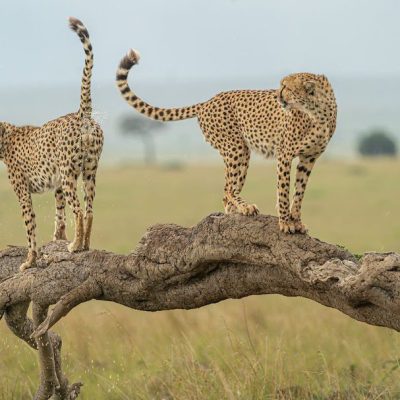
The open grasslands provide suitable habitat for cheetahs and can offer rewarding sightings during game drives.
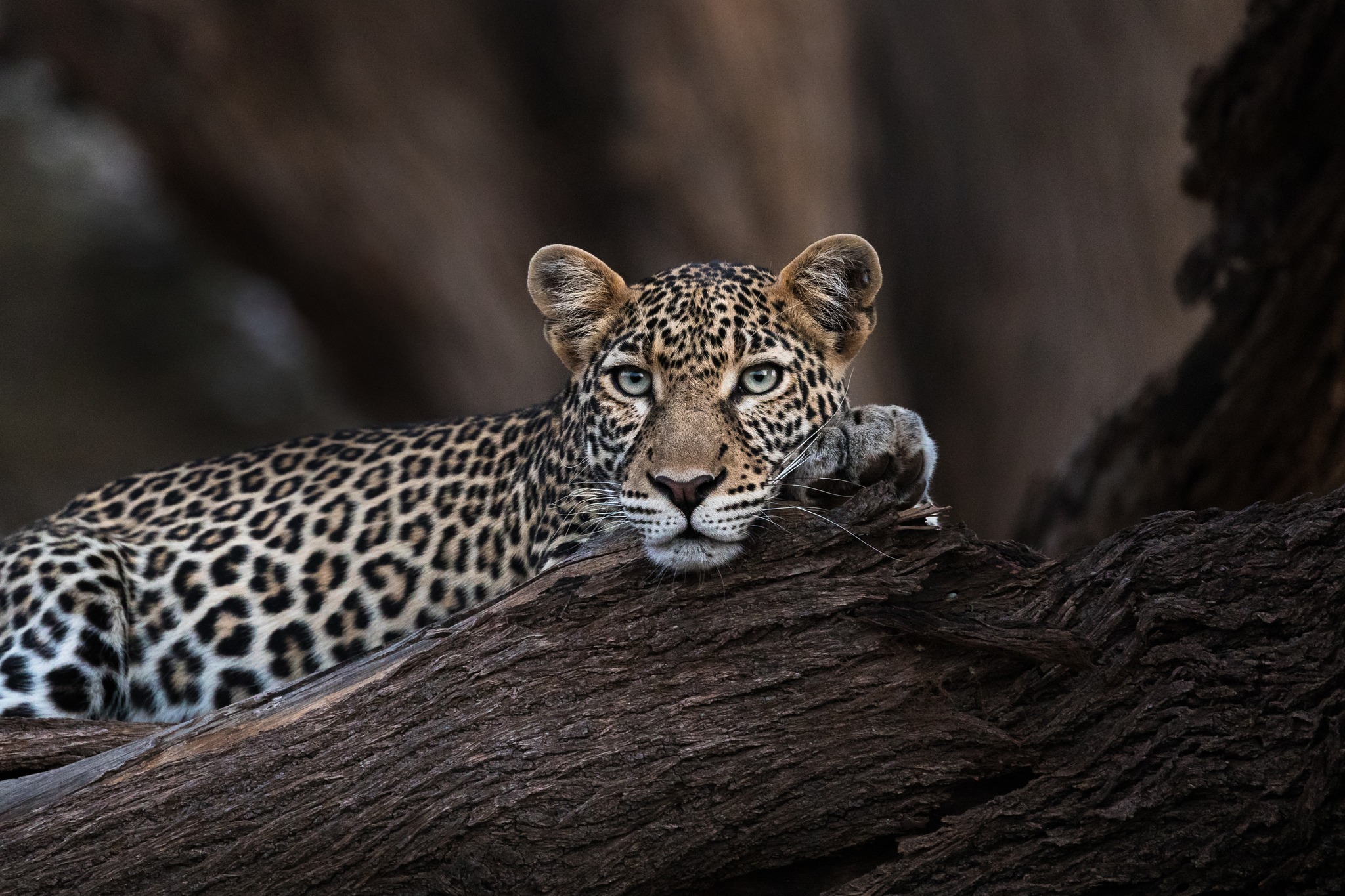
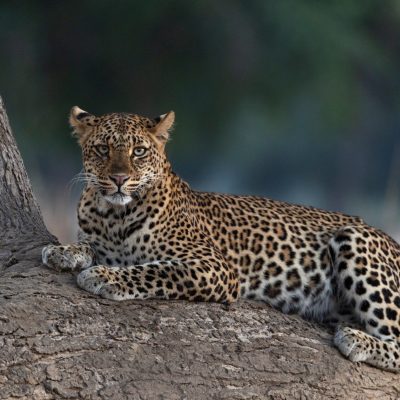
Leopards occur in the reserve but are elusive, making sightings particularly rewarding when encountered.
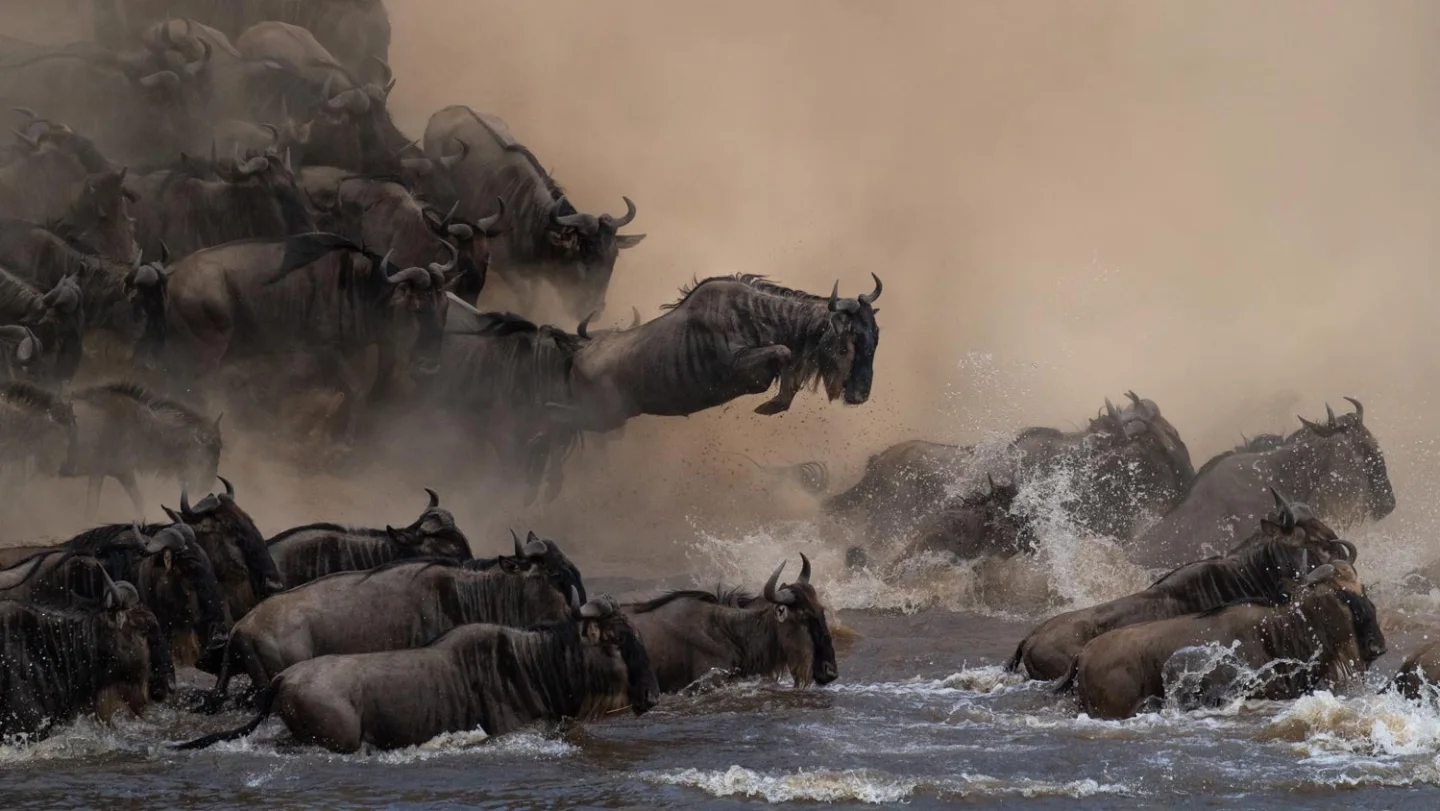
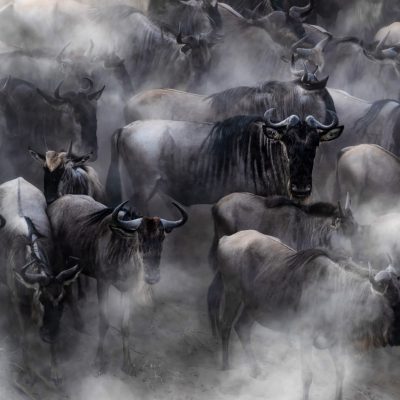
Large herds enter the Mara ecosystem during the Great Migration, creating one of the reserve's most famous seasonal spectacles.
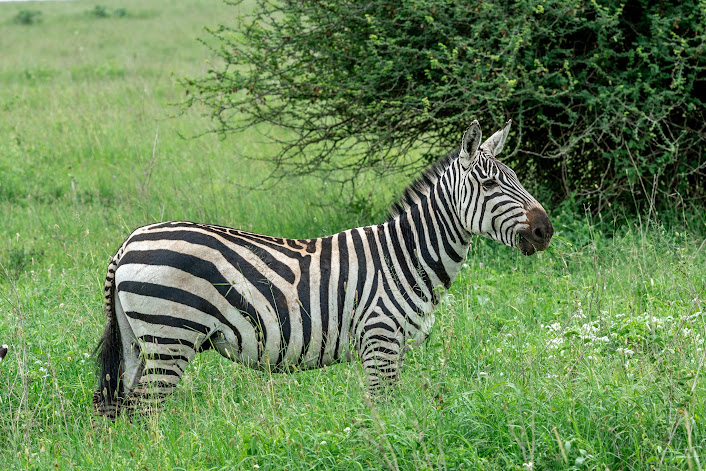
Zebras move through the Mara alongside wildebeest and are also resident wildlife throughout the ecosystem.
Elephants can be encountered across the reserve, adding large-mammal diversity to the safari experience.
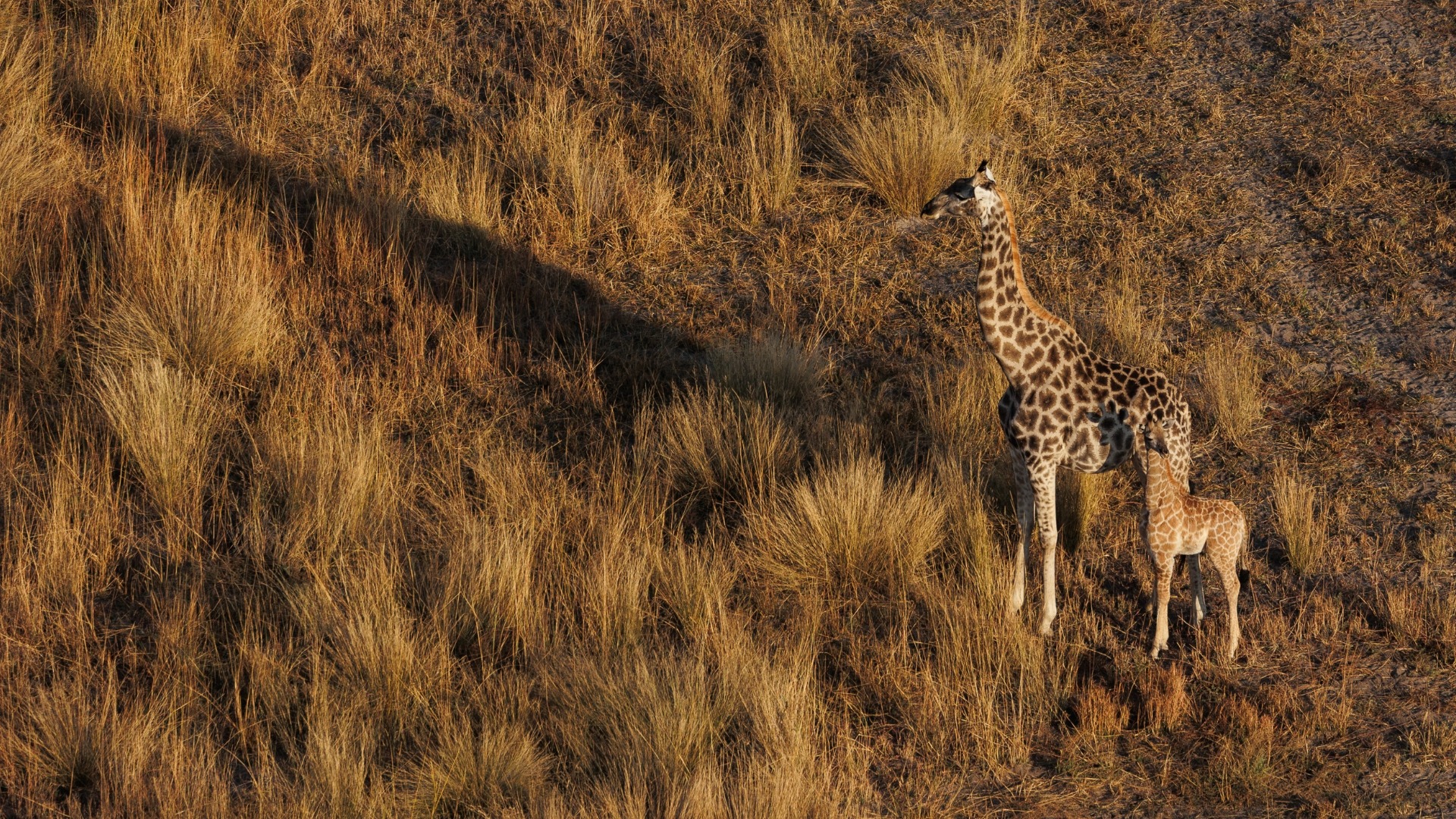
Giraffes are commonly associated with the Mara's open landscapes and provide excellent photography opportunities.
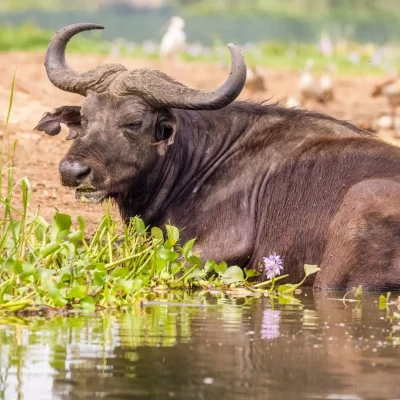
Large buffalo herds can be encountered during game drives and form an important part of the Mara ecosystem.
The main way to explore the reserve and search for predators and plains wildlife.
Experience seasonal wildebeest movements when the herds are in the Mara ecosystem.
Spend time searching for lions, cheetahs and elusive leopards.
Experience the changing light across the Mara's open grasslands.
Learn about local Maasai communities through responsible, community-based visits.
The combination of open plains, predators and dramatic skies creates strong photographic opportunities.
Fly from Nairobi or other Kenyan safari destinations to airstrips serving the Mara area.
Road access from Nairobi is possible but involves a long journey.
Possible by road, although the distance makes flying more practical for travellers with limited time.
The Mara can be combined with the Serengeti, creating a natural cross-border safari itinerary.
The Masai Mara lies in southwestern Kenya near the Tanzania border.
Kenyan Shilling (KES), with cards and other payment options available at many established safari properties.
Options range from comfortable tented camps to high-end luxury safari camps.
Connectivity varies considerably, with stronger service in some areas and limited coverage in remote parts of the reserve.
Game drives are normally conducted in safari vehicles with professional guides.
Remain inside the safari vehicle unless your guide confirms that it is safe to leave.
Use an experienced professional guide who understands animal behaviour and reserve regulations.
Discuss appropriate malaria prevention with a qualified travel-health professional before visiting.
Requirements depend on your travel history and countries visited before entering Kenya.
Comprehensive insurance is recommended for safari activities, medical emergencies and unexpected travel disruptions.