Where Swahili Culture Meets Tropical Shores
December–March & July–October — Popular periods for beach holidays and coastal travel.
July–October & January–March — Generally favourable for beaches, sightseeing and outdoor activities.
White-sand beaches, Swahili culture, Fort Jesus and historic Old Town.
Mombasa Old Town, Fort Jesus, Indian Ocean beaches and rich Swahili heritage.
Mombasa is Kenya’s historic coastal city, combining Indian Ocean beaches, Swahili culture, centuries of history and marine experiences.
It is a strong choice for travellers wanting to finish a safari with several relaxed days by the coast, but it also works as a standalone beach and cultural destination.

Give yourself time to experience more than the beach. Mombasa's Old Town, Swahili culture and coastal atmosphere are what make the destination distinctive.
- Apollo Musinguzi Contact Us
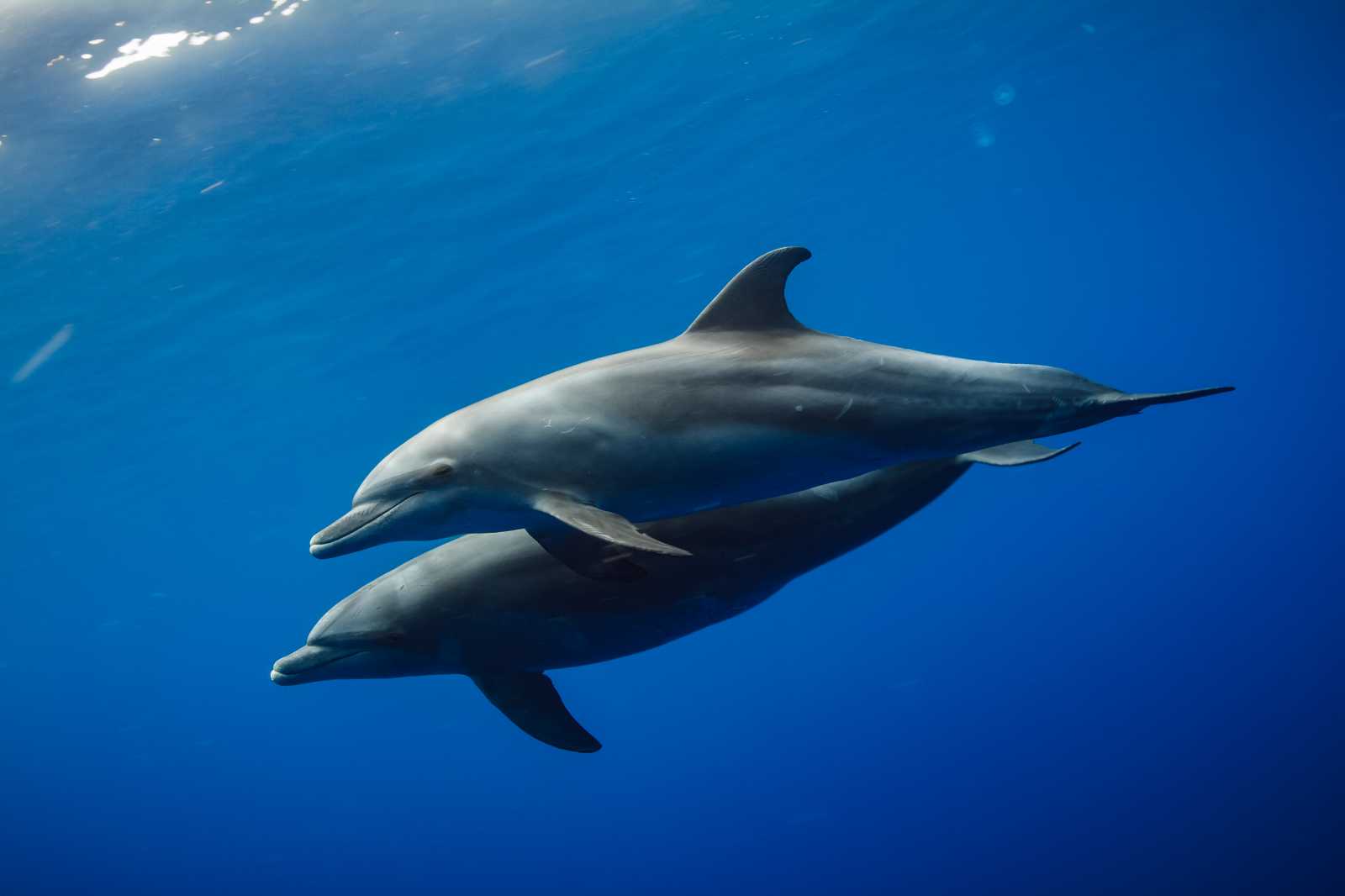
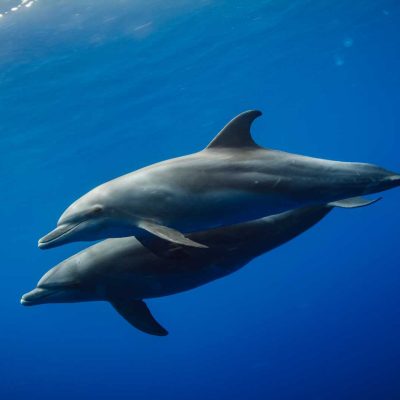
Boat excursions around the Kenyan coast can provide opportunities to encounter dolphins in their natural marine environment.
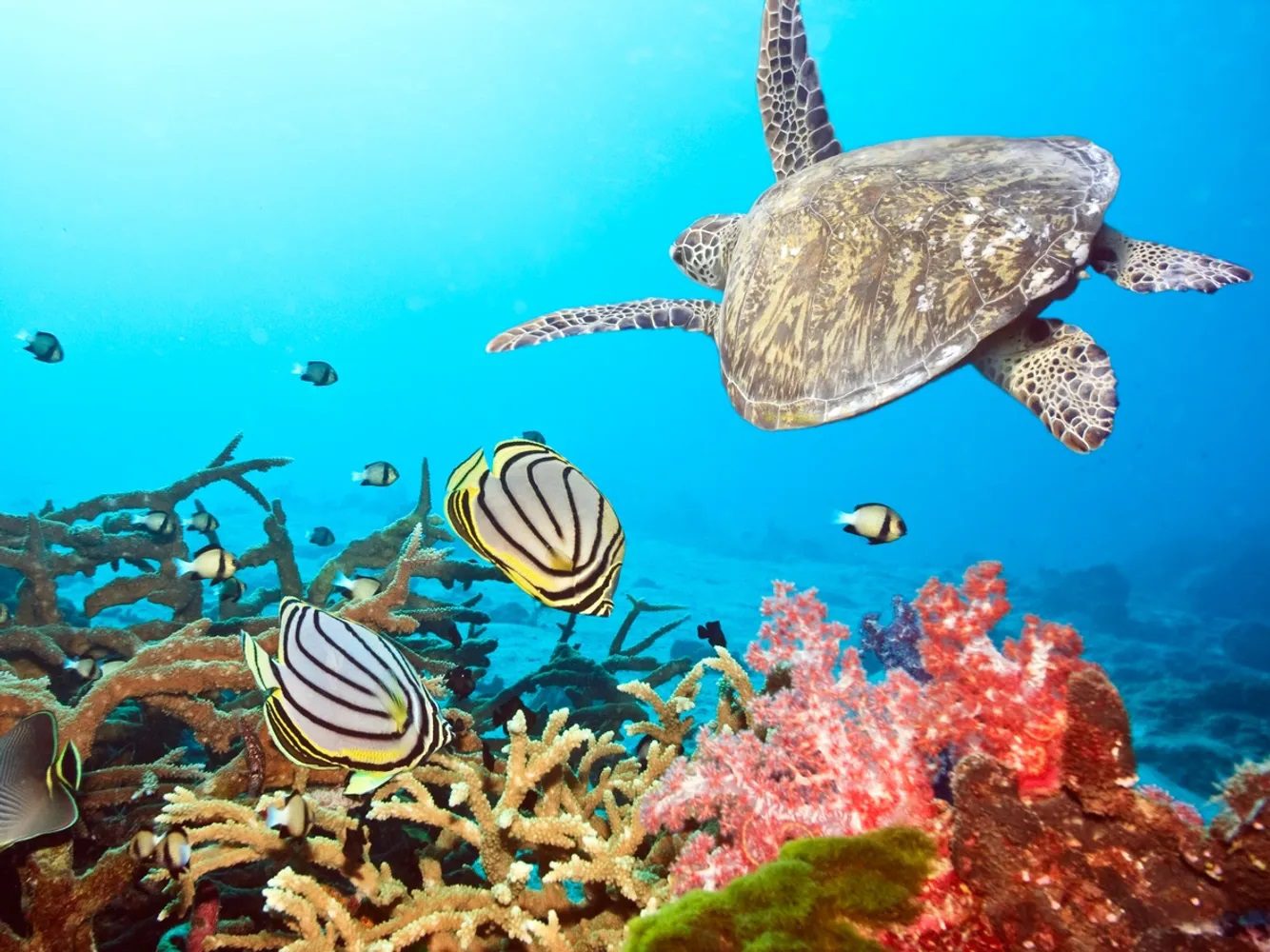
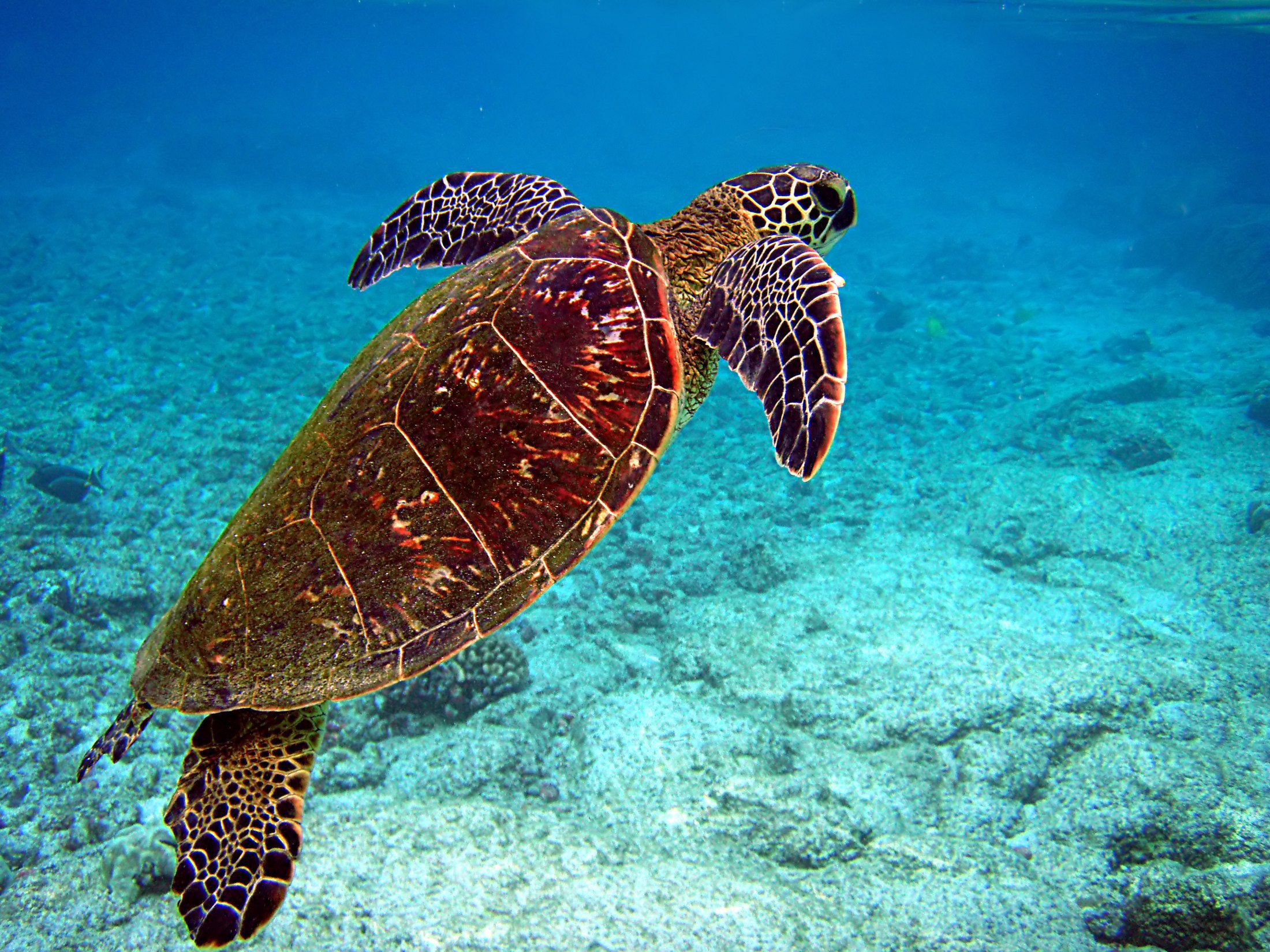
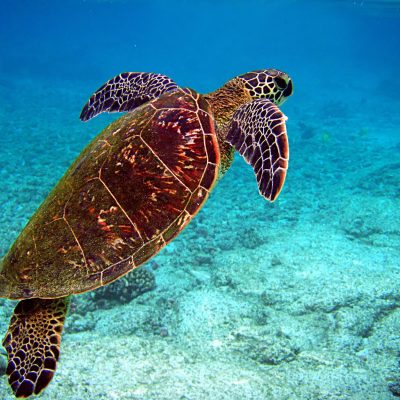
Kenya's coastline supports sea turtles, although sightings depend on location, season and conservation conditions.
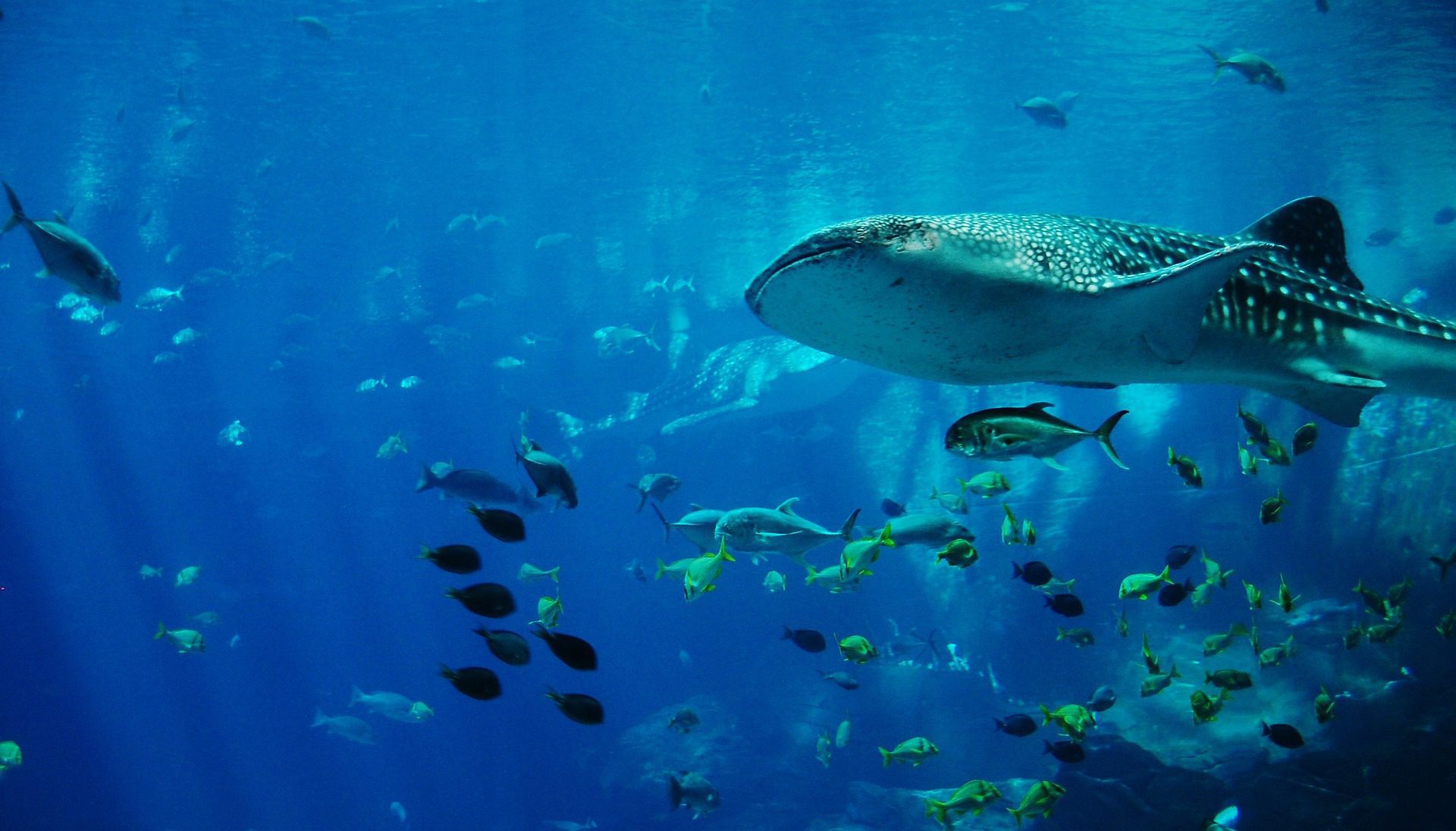
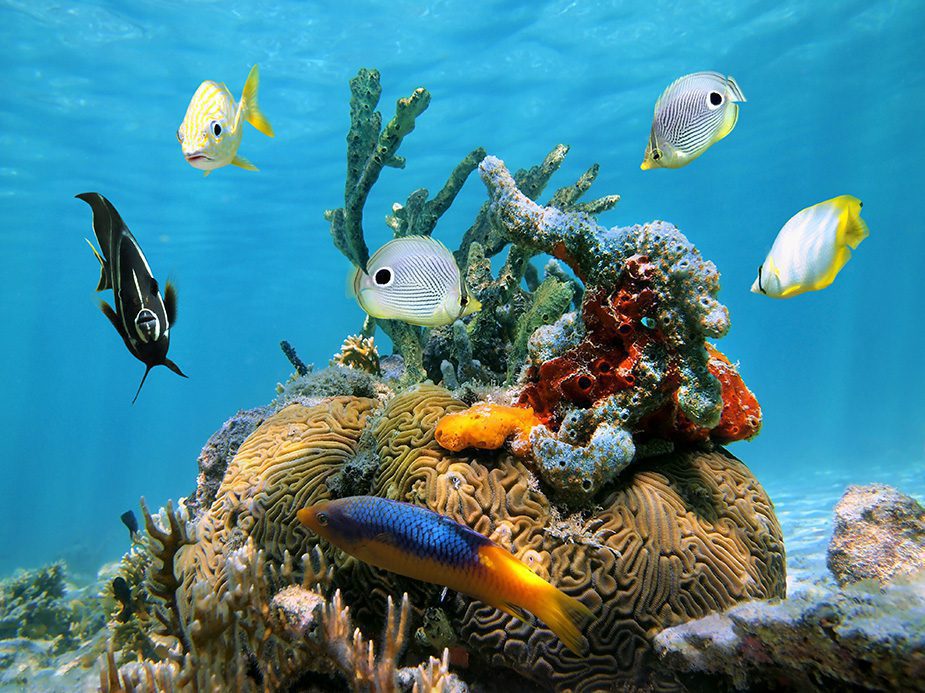
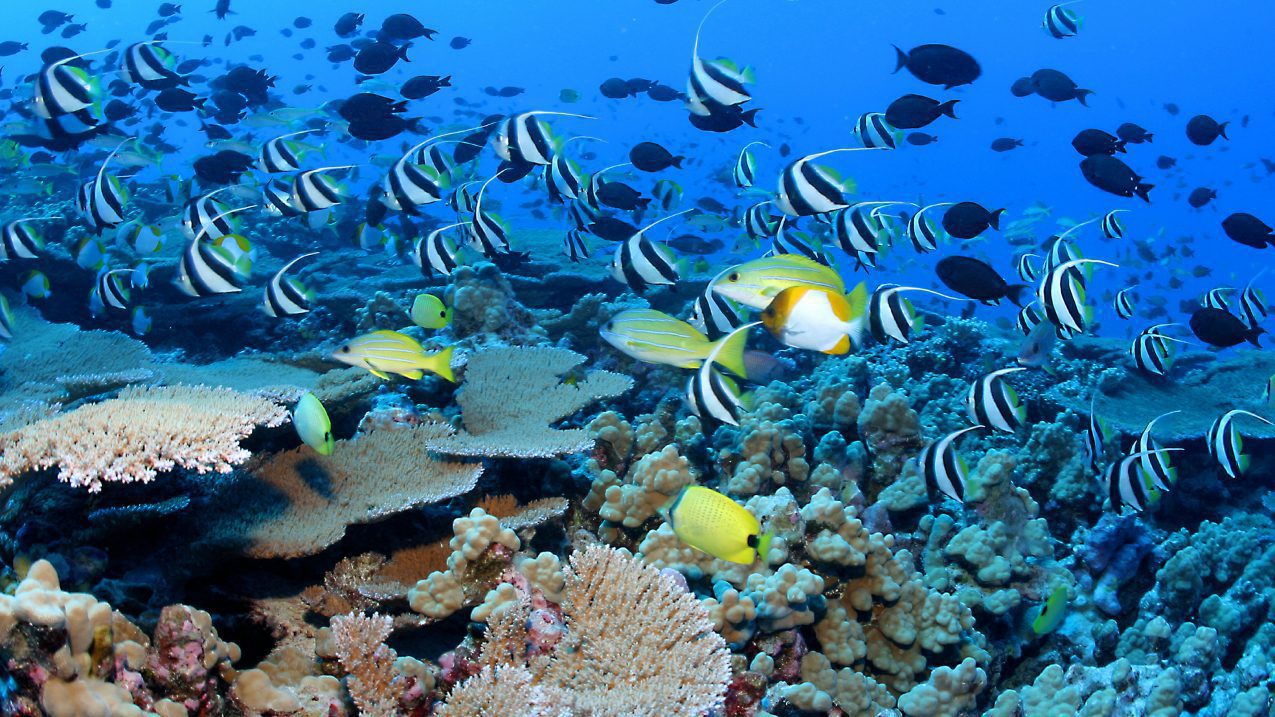
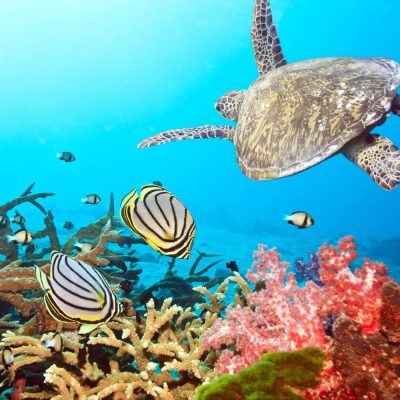
The surrounding Indian Ocean supports colourful reef fish, corals and other marine species.
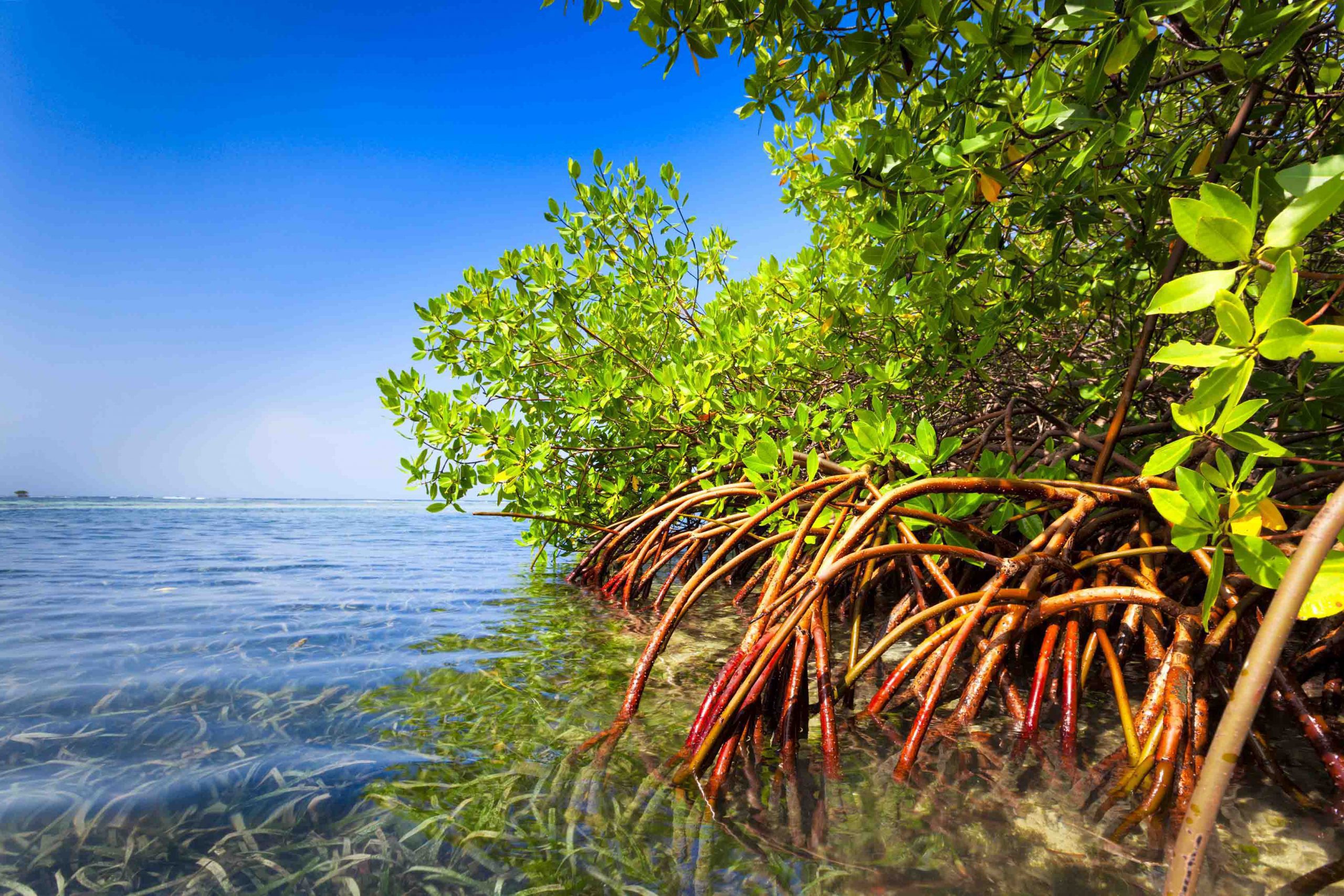
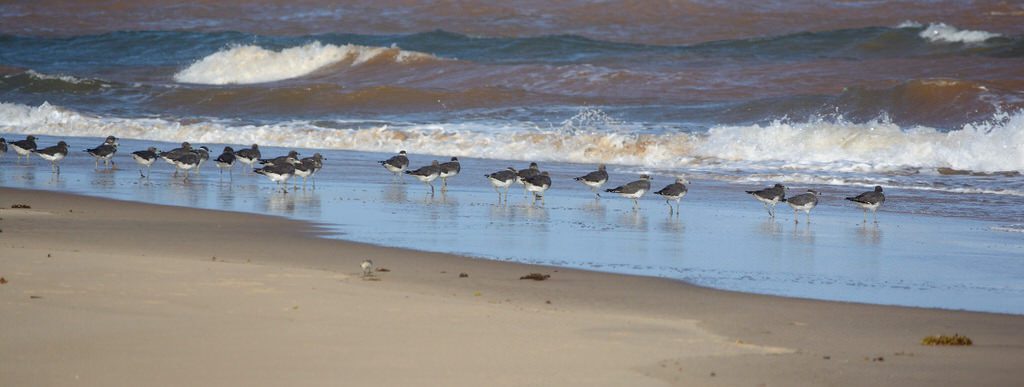
Coastal wetlands, forests and marine habitats support a variety of bird species.
Discover historic streets, Swahili architecture and the city's multicultural heritage.
Explore one of Mombasa's most important historic landmarks.
Enjoy the Indian Ocean coastline and tropical beach atmosphere.
Explore coral reefs and marine life where conditions and conservation rules permit.
Experience the coast from a traditional sailing vessel.
Explore coastal waters and search for marine wildlife.
Add coastal relaxation after visiting Kenya's inland wildlife destinations.
Moi International Airport provides the main air gateway to Mombasa.
The Standard Gauge Railway connects Mombasa with Nairobi.
Mombasa is accessible by road from Nairobi and other Kenyan destinations.
Kenyan Shilling (KES); cards are accepted at many hotels, restaurants and established tourism businesses.
English and Kiswahili are widely spoken, alongside local languages.
Kenya generally uses Type G electrical sockets; travellers may need an adapter.
Connectivity is generally good within Mombasa, hotels and major tourist areas.
Taxis, ride-hailing services and private transfers are commonly used for exploring Mombasa and surrounding areas.
Follow local advice about swimming conditions, currents and designated swimming areas.
Strong coastal sunshine makes sunscreen, hydration and appropriate clothing important.
Discuss suitable malaria prevention with a qualified travel-health professional before travelling.
Choose reputable restaurants and accommodation, and follow sensible food and drinking-water precautions.
Comprehensive travel insurance is recommended for medical emergencies and unexpected travel disruptions.