/
/
/
Mount Longonot

Mount Longonot

Kenya's Land of Epic Landscapes

A Volcanic Adventure Above the Rift Valley

Peak Season

July–October — Drier conditions and popular hiking months.

Best Time to Visit

June–October — Generally favourable for hiking and outdoor activities.

Famous For

Mount Longonot's volcanic crater, hiking trails and Rift Valley views.

Home Of

Buffaloes, giraffes, zebras, elands, leopards and diverse birds of prey.

Why Visit Mount Longonot

Mount Longonot National Park is a volcanic hiking destination near Nairobi, centred around Mount Longonot, a dormant stratovolcano rising above the Great Rift Valley.

The main attraction is hiking up the mountain and around its crater rim, where visitors experience rugged ridges, volcanic scenery and wide views toward Lake Naivasha and the Rift Valley. The park also supports wildlife including buffalo, giraffe, zebra, eland and other species.

This destination is best for travellers who want adventure, hiking and scenery rather than a traditional Big Five safari.

Show

Apollo Musinguzi

Founder & Lead Guide, Big Predators Tours

Over 20 years guiding safari adventures across Uganda, & Rwanda

Treat Longonot as an active outdoor experience rather than a conventional game-drive destination. Start early, carry enough drinking water and allow time for the climb.

Best Time to Visit Mount Longonot

Mount Longonot can be visited year-round, but hiking is generally more comfortable during drier periods. Kenya Wildlife Service notes that park attractions are available throughout the year, while wetter months can affect park roads.

June – September
(Peak Season)

July–October attracts strong demand for outdoor activities.
Drier weather generally supports hiking.
Trails can be easier to navigate.
Clearer conditions can improve Rift Valley views.
Weekends may attract more local visitors.
Early starts help avoid stronger daytime heat.
Best Overall

December – February
(Dry Season)

Trails are generally less muddy.
Hiking conditions are usually more manageable.
Visibility can be better from higher elevations.
Scenic photography can benefit from clearer skies.
Wildlife remains present around the mountain.
Carry sufficient drinking water for the hike.
Great Option

March – May & October – November (Dry Season)

Rain can make trails slippery.
Vegetation becomes greener and more attractive.
The landscape can be excellent for photography.
Clouds may create dramatic mountain scenery.
Wildlife remains within the park.
Heavy rainfall can make access and hiking more challenging.
Budget Friendly

Wildlife Highlights

Mount Longonot can be visited year-round, but hiking is generally more comfortable during drier periods. Kenya Wildlife Service notes that park attractions are available throughout the year, while wetter months can affect park roads.
game-drive-#

Buffaloes

Buffaloes inhabit the park and may be encountered around suitable areas during a visit.

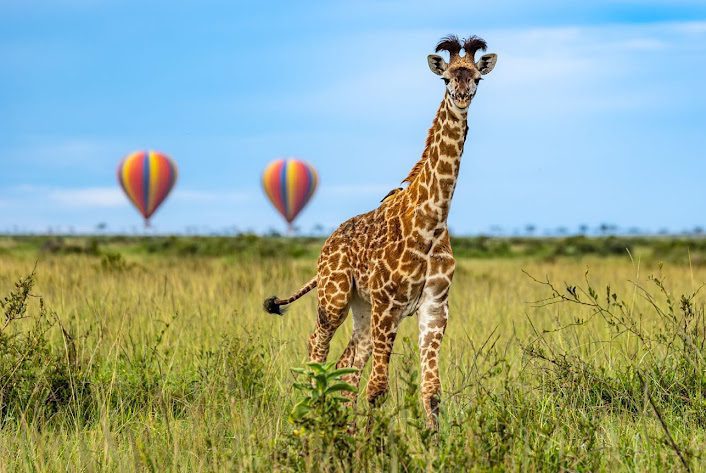
Giraffes in the Masai Mara

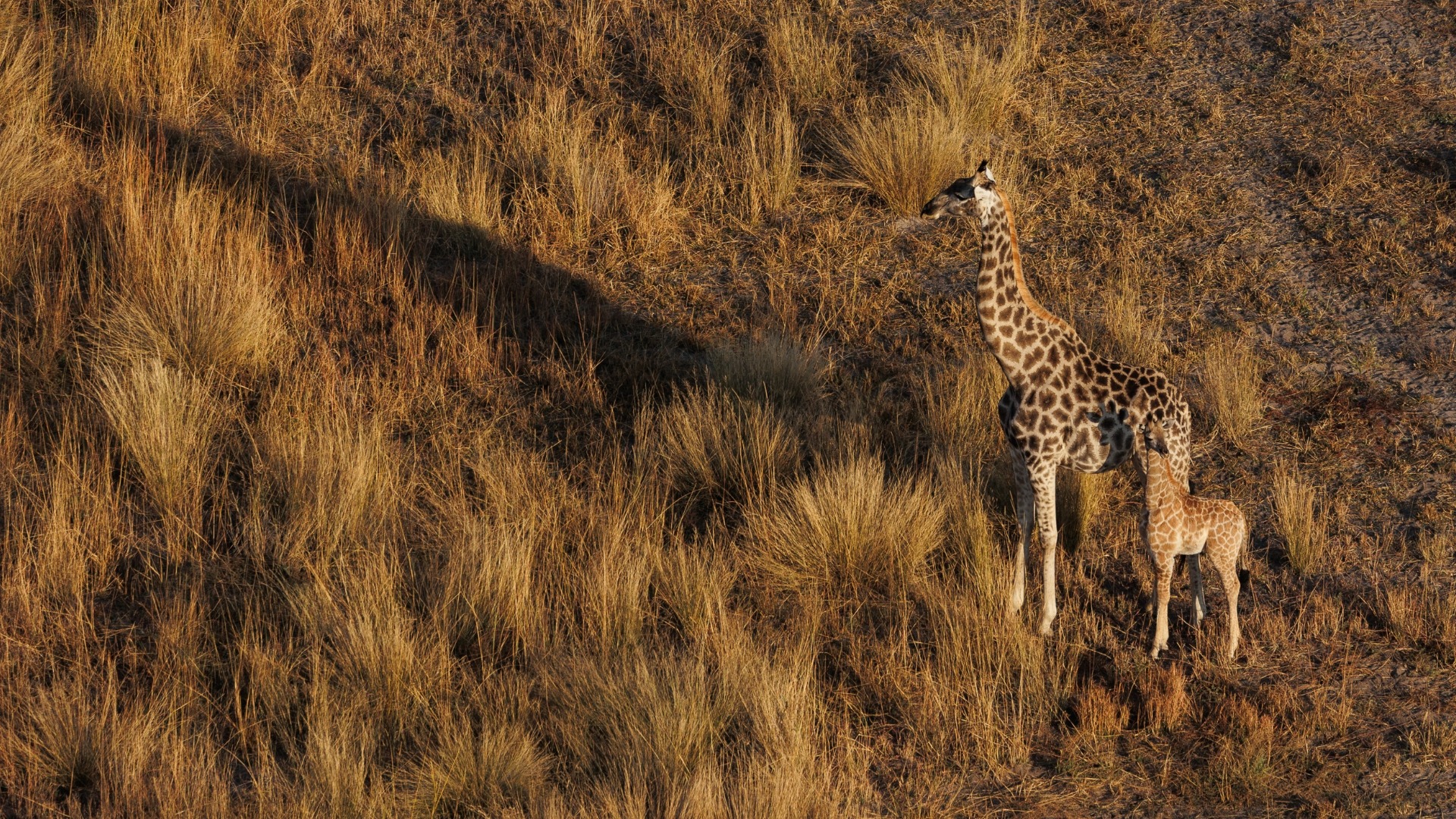
Giraffes

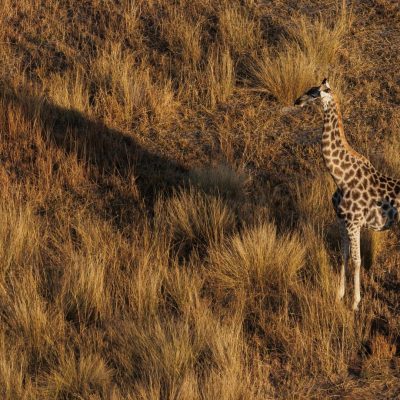
Giraffes contribute to the park's plains wildlife experience and may be seen around the mountain's lower areas.

zebras-in-Lake Mburo National Park

Zebras

Zebras are among the herbivores found within the park and surrounding ecosystem.

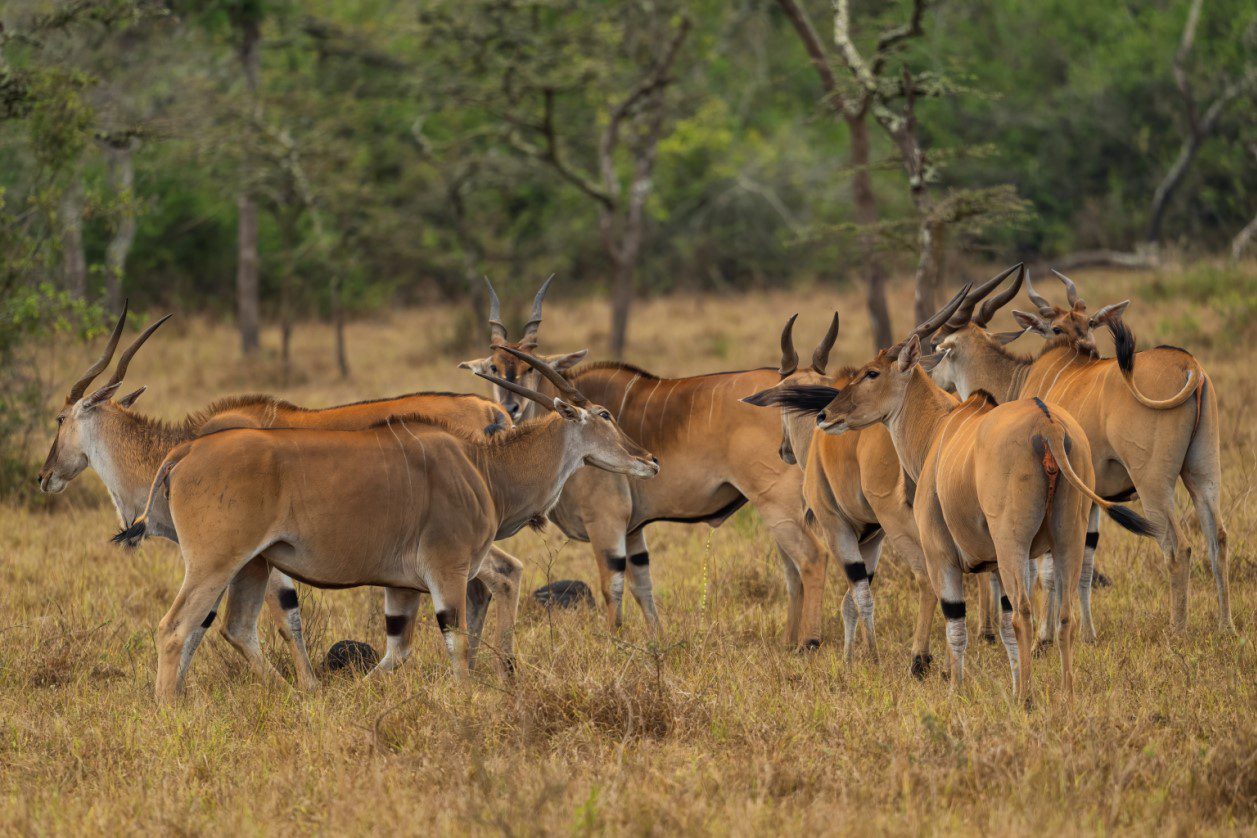
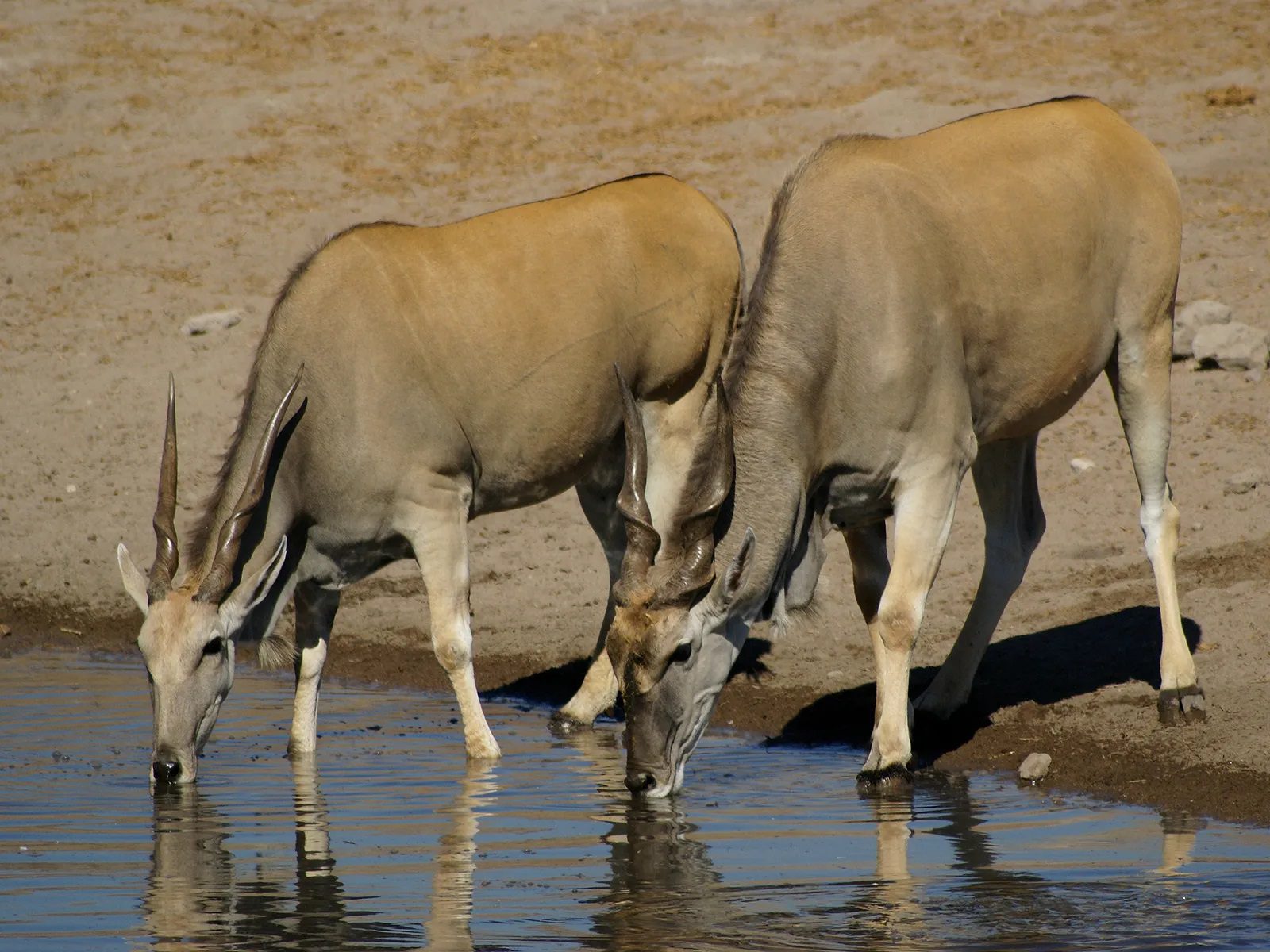
Elands-in-Africa-Herd

Elands

These large antelopes are among the wildlife species recorded at Mount Longonot.

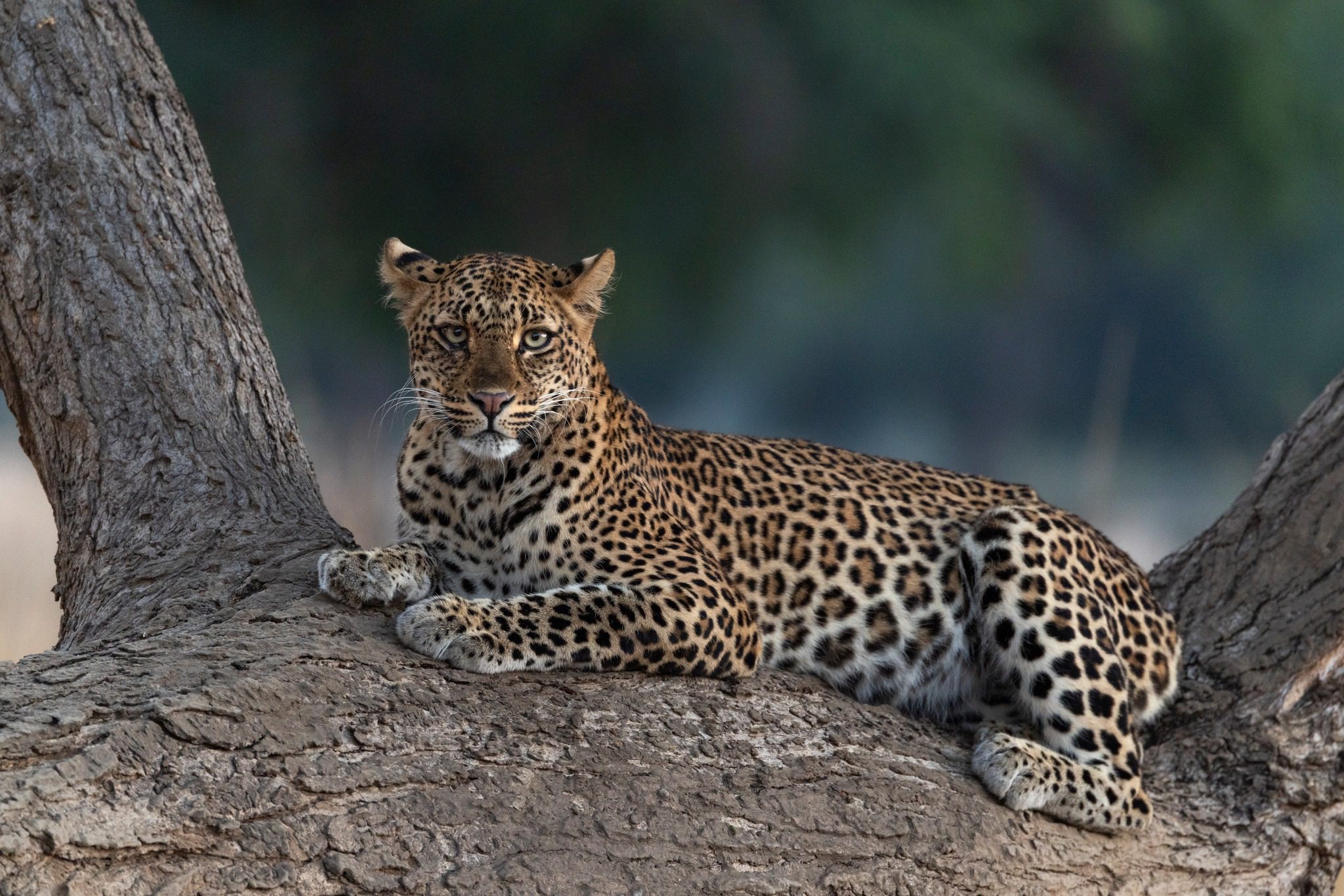
Leopard in Queen Elizabeth National Park

Leopards

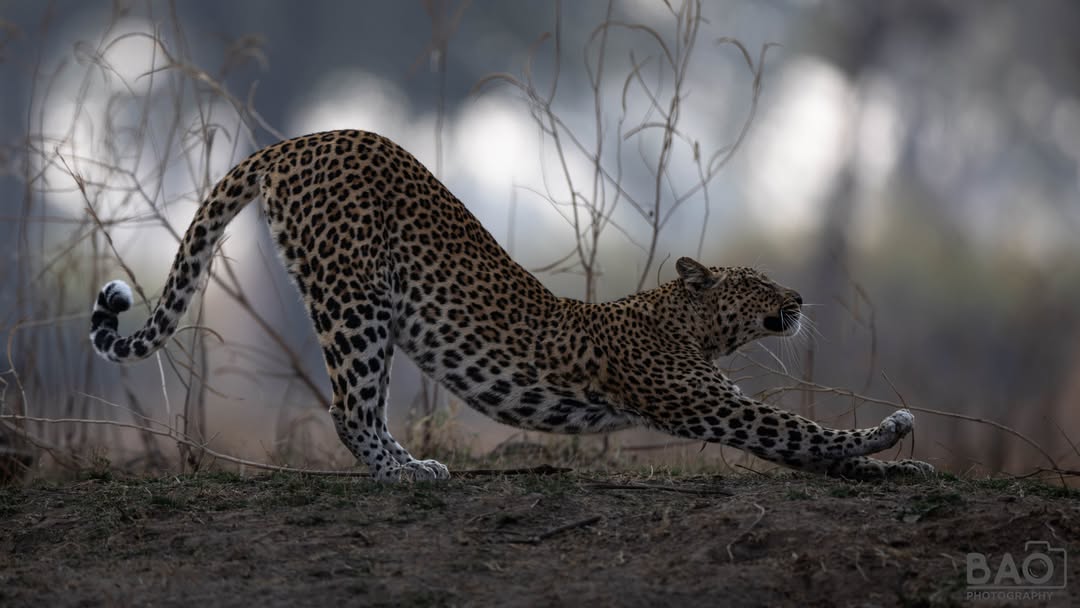
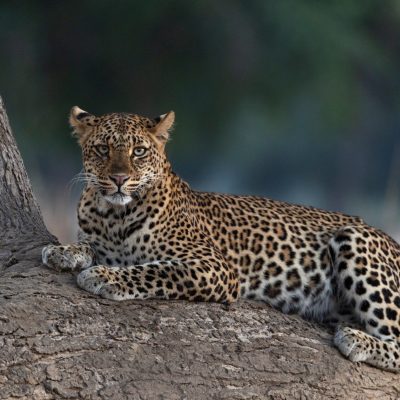
Leopards occur in the park but are elusive, so sightings should not be expected.

Diurnal-Birds-of-prey

Birds of Prey

Mount Longonot provides habitat for birds of prey, adding an important birdwatching dimension to the hiking experience.

TOP THINGS TO DO IN Mount Longonot

trekking

Mount Longonot Hike

Climb the volcanic mountain for expansive Rift Valley scenery.

walking

Crater Rim Walk

Continue around the crater rim for changing panoramic views.

giraffe (1)

Wildlife Viewing

Look for buffaloes, giraffes, zebras, elands and other wildlife.

robin bird

Birdwatching

Watch for birds of prey and other species around the volcanic landscape.

photographer

Photography

Capture the crater, rugged ridges, Lake Naivasha and Great Rift Valley scenery.

Explore Mount Longonot

No data was found

Getting There

safari jeep

By Road

Mount Longonot National Park is approximately 90 km from Nairobi, accessed along the Nairobi–Nakuru highway.

route

From Nairobi

The park makes a practical day trip or short adventure extension.

destination

From Lake Naivasha

Longonot can be combined naturally with a Lake Naivasha itinerary.

Where To Stay in Mount Longonot

No accommodation was found

Pros and Cons of Visiting Mount Longonot

Pros of Visiting Mount Longonot

Excellent hiking experience.
Dramatic volcanic landscape.
Spectacular Rift Valley views.
Conveniently accessible from Nairobi.
Wildlife adds variety to the hike.
Good option for active travellers.

Things to Consider

The hike can be physically demanding.
Trails may become slippery after rain.
Wildlife is not the primary attraction.
There is limited vehicle-based game viewing.
Hot conditions can make the climb strenuous.
Visibility can change with weather.

PRACTICAL INFORMATION

international location

Location

Mount Longonot is approximately 90 km from Nairobi in Kenya's Great Rift Valley.

trekking

Activity

Hiking is the park's principal visitor experience, with crater and rim trails.

backpack (1)

What to Carry

Bring drinking water, food, sunscreen, insect repellent, binoculars and suitable hiking equipment.

tent

Camping

Public and special campsites are available within the park area.

landscape

Park Environment

The volcanic terrain is rugged, with steep ridges and crater landscapes requiring reasonable physical fitness.

SAFETY & HEALTH

trekking

Hiking Fitness

The climb is physically demanding, so travellers should assess their fitness before attempting the hike.

WILDLIFE SAFTY earth

Wildlife Safety

Follow ranger and guide instructions because wildlife remains present around the hiking environment.

water-bottle

Water

Carry sufficient drinking water, particularly during warm and strenuous hiking conditions.

atmospheric-conditions

Weather

Prepare for changing mountain conditions, including sun, wind, clouds and rain.

forest road

Trail Safety

Stay on established trails and avoid approaching wildlife or hiking alone in unsuitable conditions.