/
/
/
Mount Kenya

Mount Kenya

Kenya's High-Altitude Wilderness

Africa's Second-Highest Mountain

Peak Season

January–February & July–October — Generally drier conditions and popular trekking periods.

Best Time to Visit

January–February & July–October — Usually favourable for trekking and mountain activities.

Famous For

Mount Kenya, high-altitude trekking, dramatic scenery and unique mountain ecosystems.

Home Of

Mount Kenya National Park, alpine landscapes, glaciers, forests and diverse mountain wildlife.

Why Visit Mount Kenya

Mount Kenya is Kenya’s highest mountain and Africa’s second-highest, offering a very different experience from the country’s classic savannah safaris.

The mountain combines forest, moorland, alpine landscapes, rocky peaks and high-altitude scenery. It is particularly suited to travellers who want an active adventure alongside a Kenyan safari.

Mount Kenya is not simply a sightseeing destination. Trekking requires preparation, appropriate equipment and time to acclimatize, while weather can change quickly at higher elevations.

Show

Apollo Musinguzi

Founder & Lead Guide, Big Predators Tours

Over 20 years guiding safari adventures across Uganda, & Rwanda

Don't treat Mount Kenya as a simple day excursion. A multi-day trek gives your body more time to acclimatize and allows you to experience the mountain properly.

Best Time to Visit Mount Kenya

Mount Kenya can be visited throughout the year, but trekking is generally more comfortable during the drier periods. Conditions become colder and more challenging as you gain altitude.

June – September
(Peak Season)

January–February and July–October are popular trekking periods.
Drier conditions generally make trails more manageable.
Clearer skies can improve mountain views.
Trekking demand can increase during favourable periods.
Accommodation and guiding should be arranged ahead.
Higher elevations remain cold regardless of season.
Best Overall

December – February
(Dry Season)

Trails are generally less wet.
Mountain visibility can be better.
Trekking conditions are usually more comfortable.
Photography benefits from clearer conditions.
Camping can be more manageable.
Nights remain cold at higher elevations.
Great Option

March – May & October – November (Dry Season)

Rainfall can make trails muddy.
Lower slopes become greener and more vibrant.
Mountain views may be obscured by cloud.
Fewer trekkers can mean quieter trails.
Weather can change quickly.
Proper waterproof clothing becomes particularly important.
Budget Friendly

Wildlife Highlights

Mount Kenya can be visited throughout the year, but trekking is generally more comfortable during the drier periods. Conditions become colder and more challenging as you gain altitude.
an elephant in Murchison falls NP

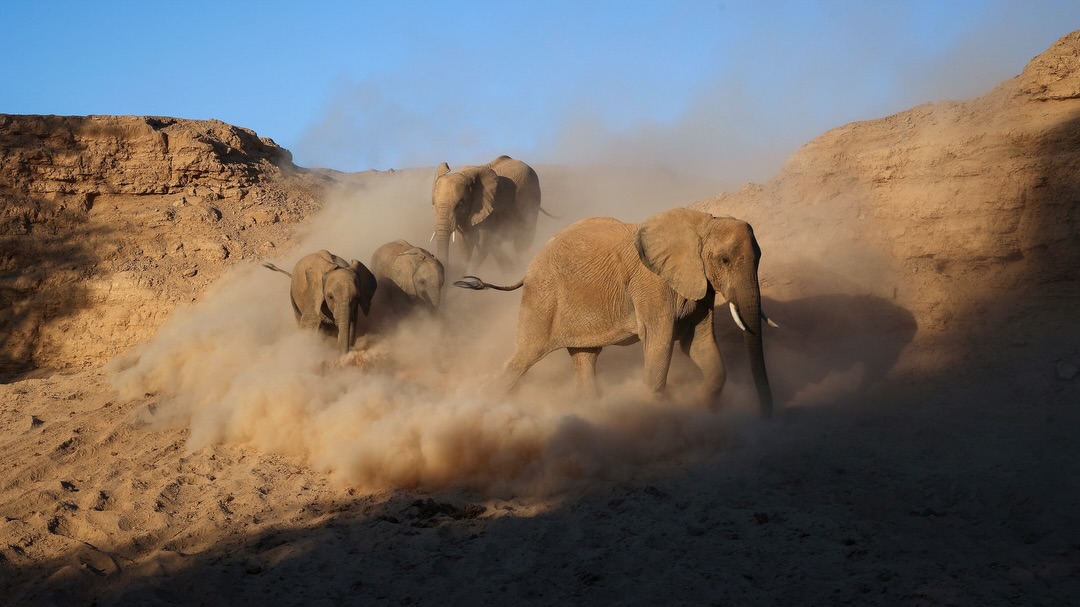
Elephants

Elephants can occur in the forests surrounding Mount Kenya and may occasionally be encountered during wildlife activities.

game-drive-#

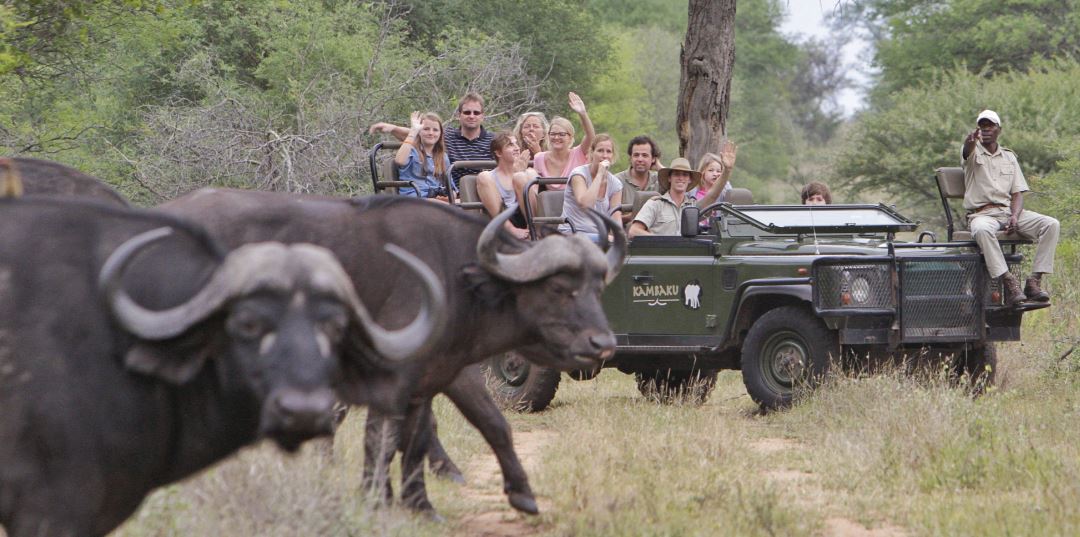
Buffalo

Buffalo inhabit the mountain's lower ecosystems and are among the larger mammals found around Mount Kenya.

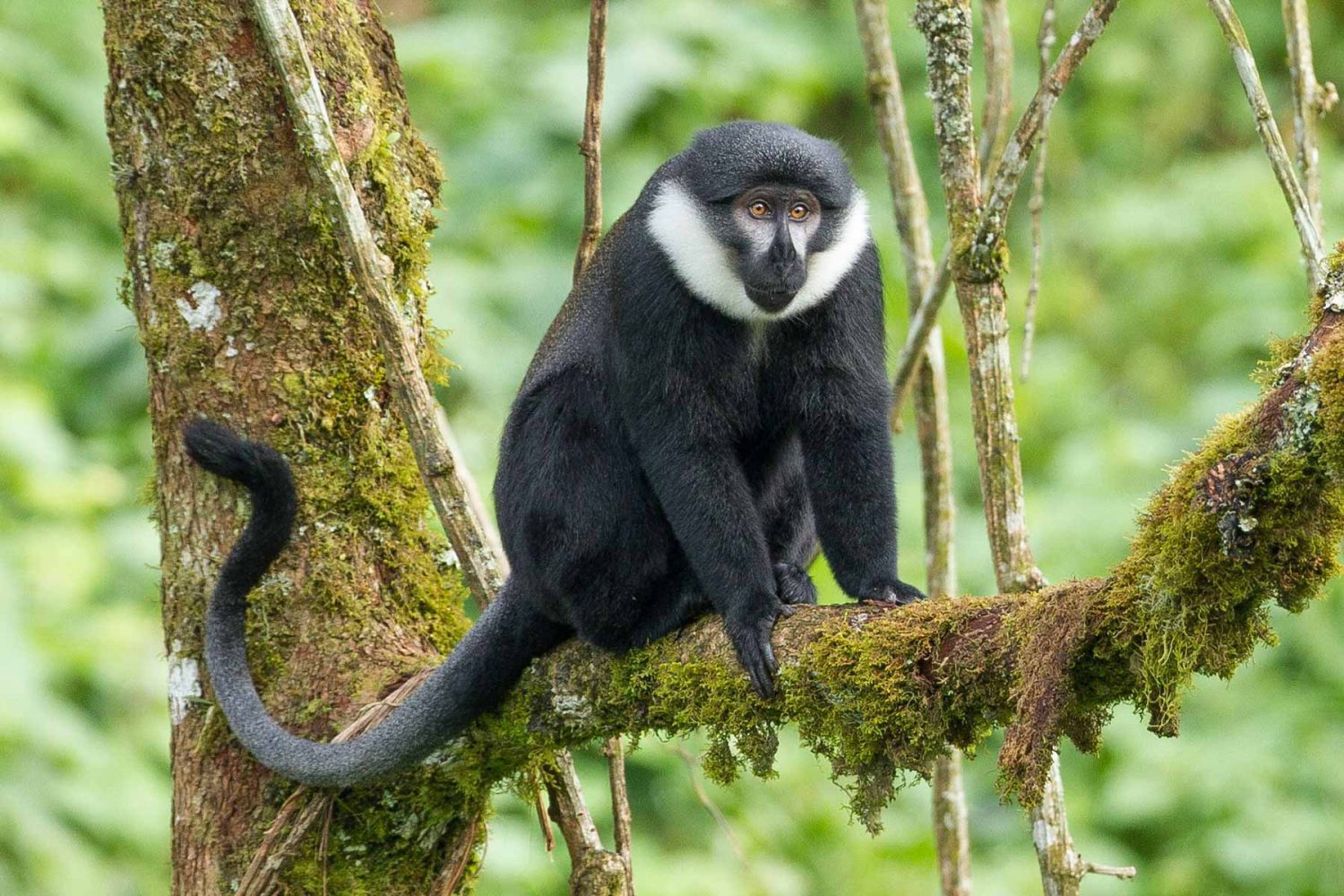
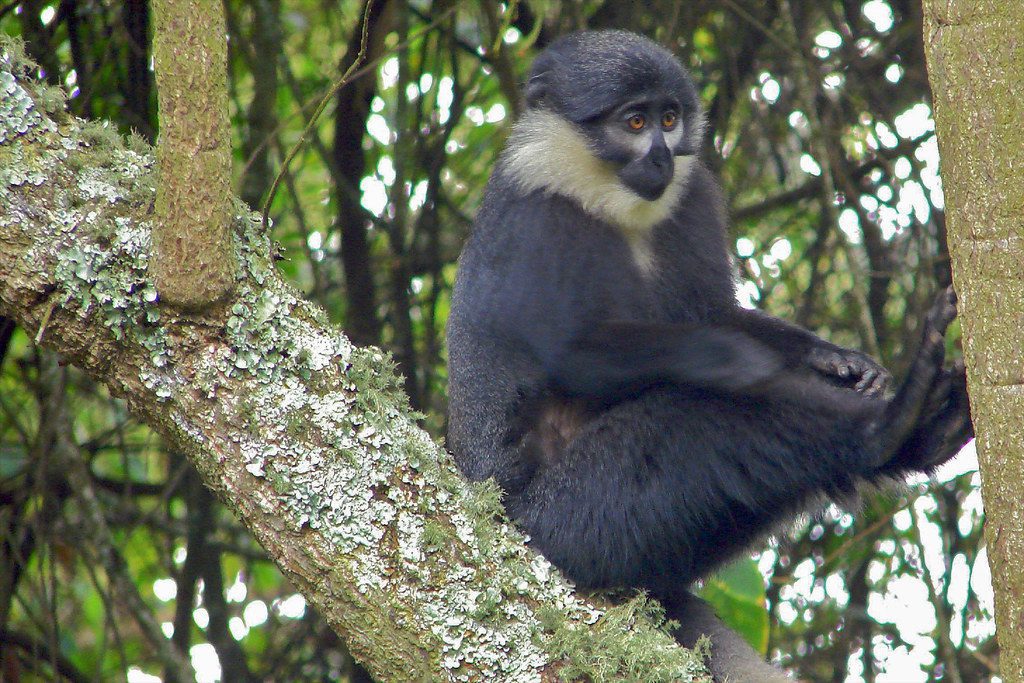
L'Hoest's Monkeys in Bwindi Uganda 5

Colobus Monkeys

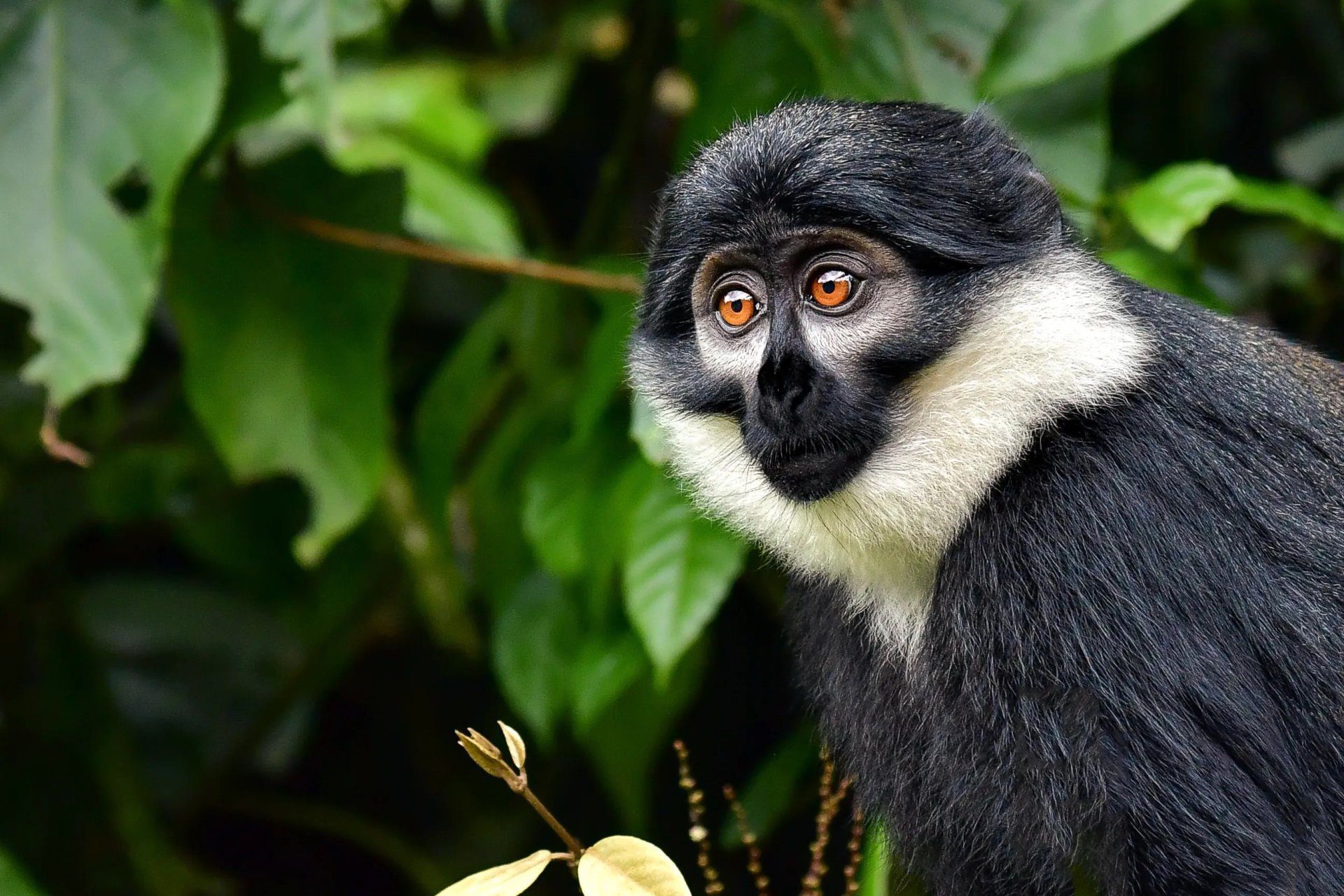
These forest primates can be encountered in suitable woodland habitats around the mountain.

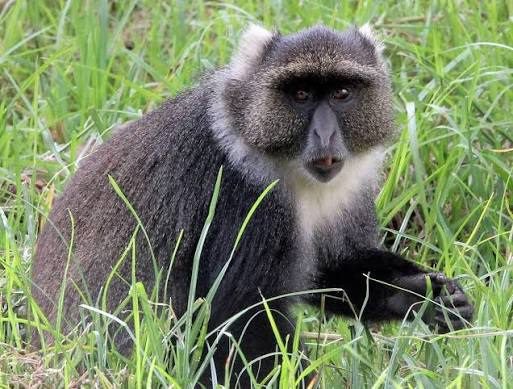
Sykes' Monkeys

Sykes' Monkeys

These adaptable forest monkeys are among the primates associated with Mount Kenya's forest zones.

2 Hyenas in Amboseli 3

Hyenas

Hyenas occur within the broader Mount Kenya ecosystem but are not the primary reason travellers visit.

Diurnal-Birds-of-prey

Birdlife

Mount Kenya's changing habitats support varied birdlife, with different species found from forest to higher elevations.
TOP THINGS TO DO IN Mount Kenya

trekking

Mount Kenya Trekking

Explore forests, moorlands and high-altitude landscapes on multi-day mountain routes.

summit

Summit Attempt

Experienced trekkers can attempt Point Lenana, the highest trekking summit accessible without technical climbing.

mountain

Mountain Photography

Capture dramatic alpine landscapes, valleys, peaks and changing mountain weather.

robin bird

Birdwatching

Explore the mountain's forest and high-altitude habitats for diverse birdlife.

mountains

Wildlife Viewing

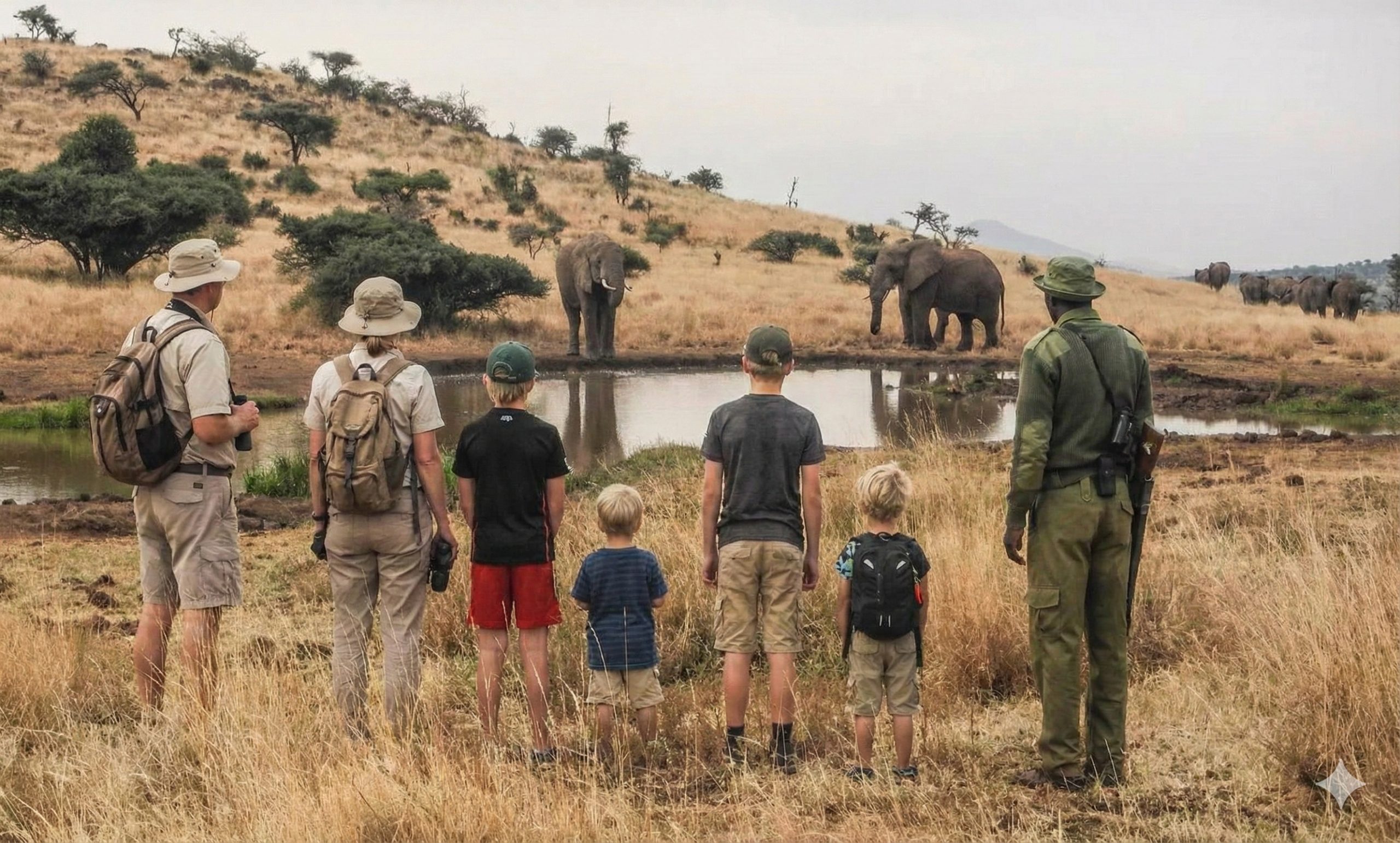
Combine mountain activities with wildlife experiences in the surrounding ecosystem.

cultural

Cultural Experiences

Learn about communities and traditions around the Mount Kenya region.

Explore Mount Kenya

No data was found

Getting There

airplane-mode

By Air

Fly to Nairobi and continue by road toward the Mount Kenya region.

safari jeep

By Road

Mount Kenya is accessible from Nairobi through established road networks.

airport

From Nairobi

The mountain can be incorporated into a wider Kenya itinerary without requiring an international flight.

destination

Safari Combination

Mount Kenya works well with Samburu, Ol Pejeta, Lake Nakuru or Masai Mara.

Where To Stay in Mount Kenya

No accommodation was found

Pros and Cons of Visiting Mount Kenya

Pros of Visiting Mount Kenya

Exceptional mountain scenery.
Excellent trekking opportunities.
Different experience from Kenya's savannah safaris.
Diverse altitude zones.
Strong photography potential.
Good addition to an active Kenya itinerary.
Can be combined with nearby wildlife destinations.

Things to Consider

Trekking can be physically demanding.
High-altitude conditions require acclimatization.
Weather can change quickly.
Higher elevations are cold.
Summit views are weather dependent.
Not ideal for travellers seeking a purely wildlife-focused safari.

PRACTICAL INFORMATION

international location

Location

Mount Kenya is located in central Kenya, northeast of Nairobi.

money (1)

Currency

Kenyan Shilling (KES) is the local currency.

language

Language

English and Kiswahili are widely used, alongside local languages.

backpack (1)

Equipment

Proper hiking footwear, warm layers, rain protection and suitable trekking equipment are important.

altitude (1)

Altitude

Higher elevations can cause altitude-related symptoms, so gradual acclimatization is important.

SAFETY & HEALTH

altitude

Altitude

Ascending gradually helps your body adjust to Mount Kenya's increasing elevation.

trekking

Trekking

Use qualified guides and follow established routes and park regulations.

mountains

Weather

Conditions can change rapidly, so carry suitable warm and waterproof clothing.

route

Fitness

Trekking requires reasonable physical preparation, particularly on longer routes and higher elevations.

insurance

Travel Insurance

Choose insurance that appropriately covers trekking activities, evacuation and unexpected medical situations.