Endless Plains, Great Wildlife & Legendary Landscapes
June–October — Excellent safari conditions and high visitor demand.
Serengeti, Great Migration & Ngorongoro — Tanzania's most iconic safari experiences.
Great Migration, Big Five, Serengeti and Ngorongoro.
Tanzania is one of Africa’s premier safari destinations, combining vast savannahs, exceptional wildlife, the Great Migration, Ngorongoro Crater and Mount Kilimanjaro.
Its northern safari circuit is ideal for travellers wanting classic wildlife experiences, while southern and western Tanzania offer more remote and less-visited safari environments.
Tanzania is especially suited to travellers who want big landscapes, abundant wildlife and a longer, more immersive safari experience.

Don't choose Tanzania only for the Great Migration. The Serengeti and Ngorongoro offer excellent safari experiences outside the migration season too.
- Apollo Musinguzi Contact Us
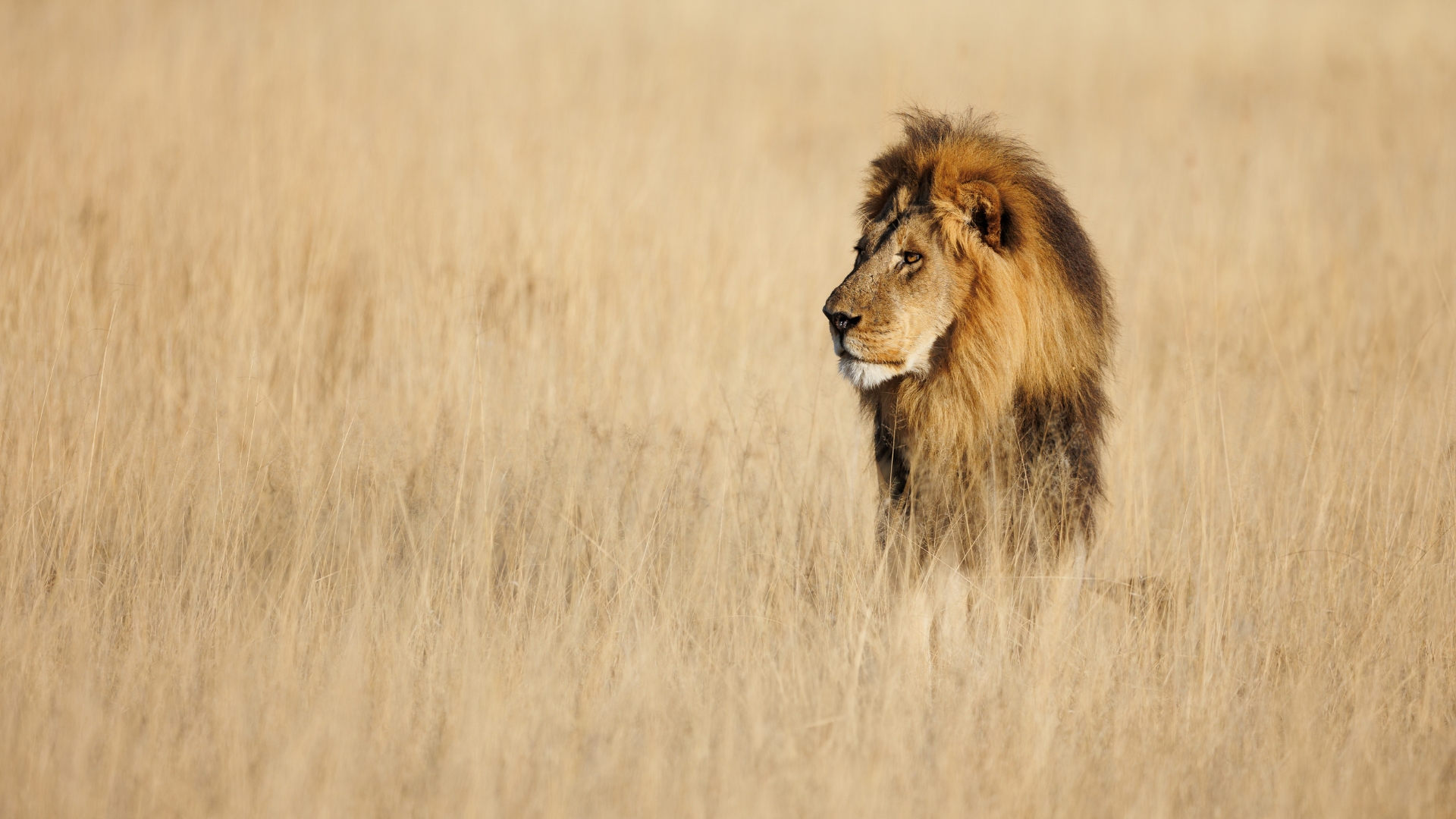
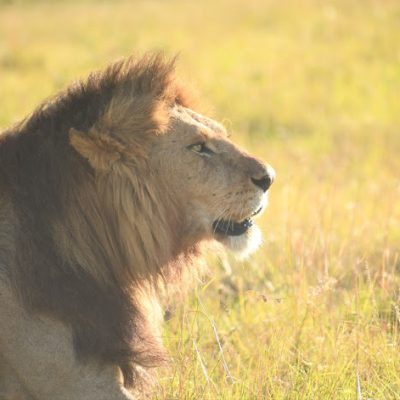
Tanzania supports strong lion populations, with the Serengeti offering excellent opportunities to encounter these iconic predators.
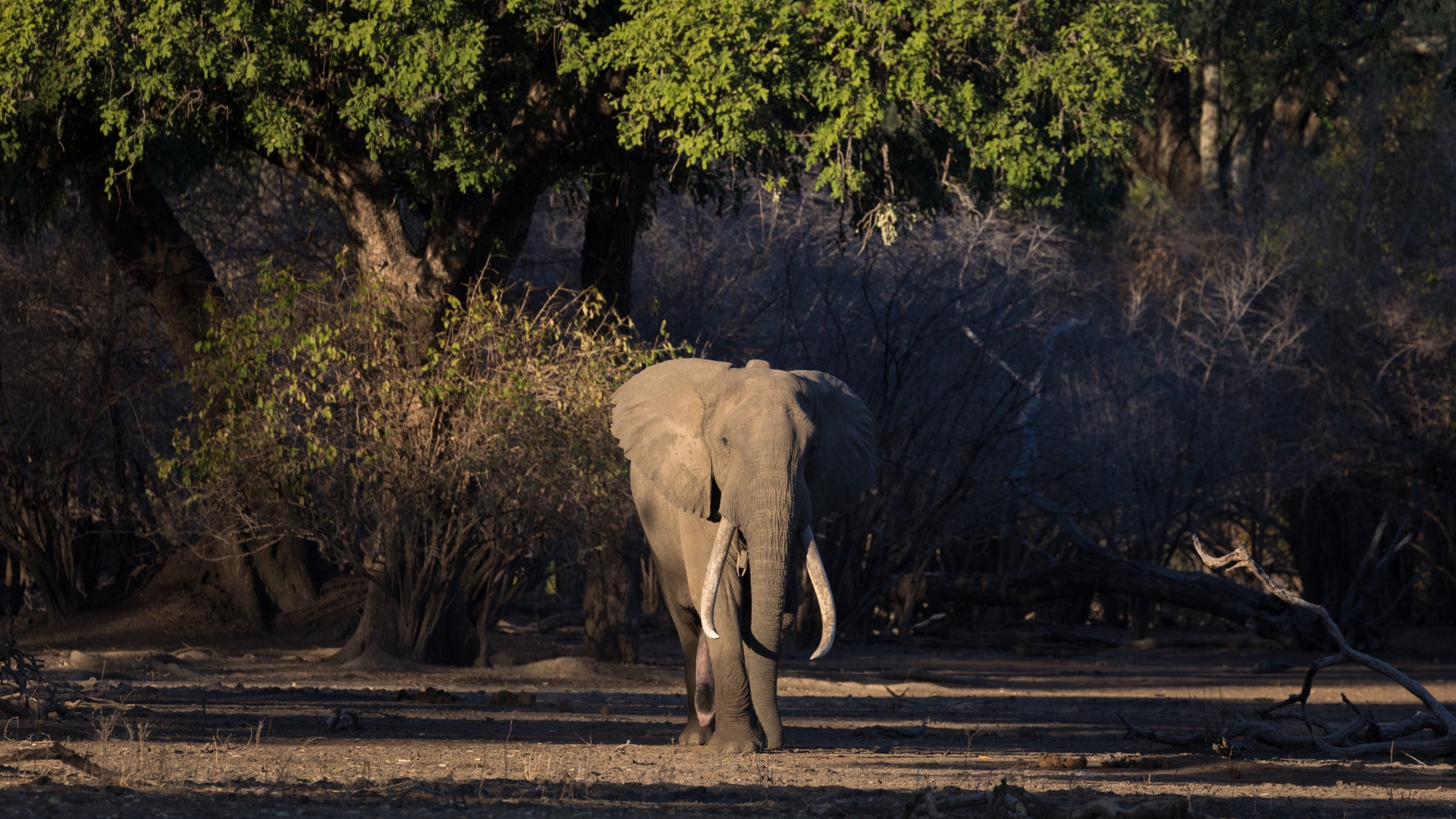
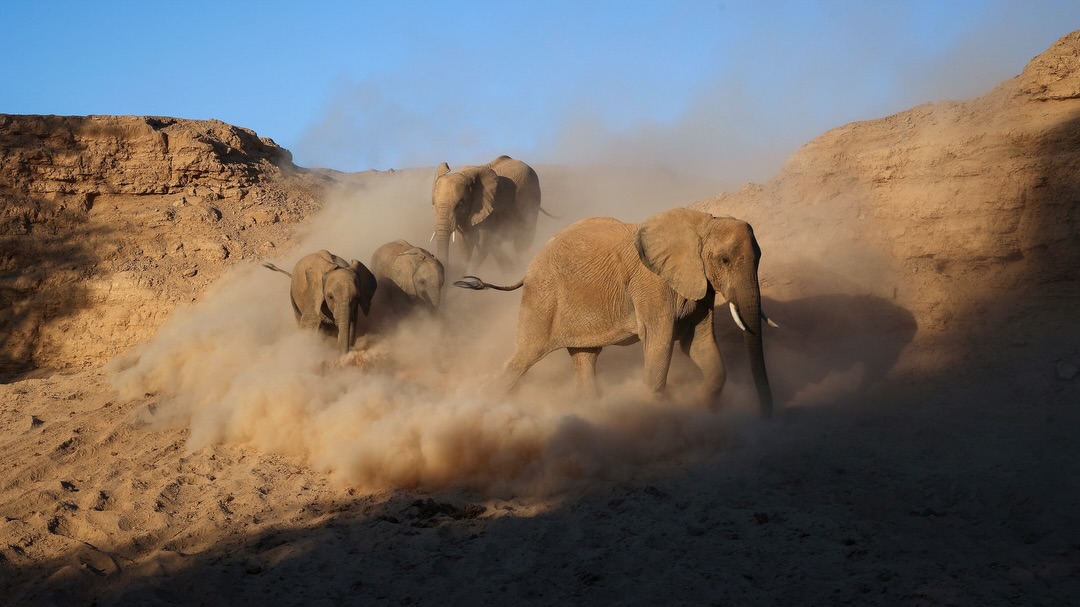
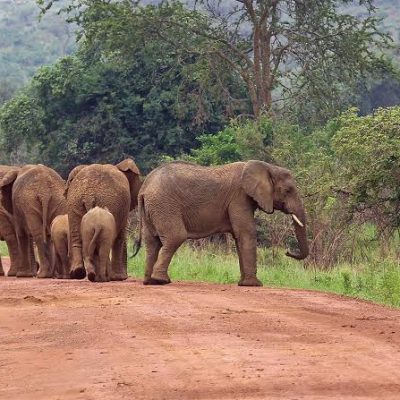
Elephants are found across Tanzania's major safari ecosystems and are particularly impressive against the country's vast landscapes.
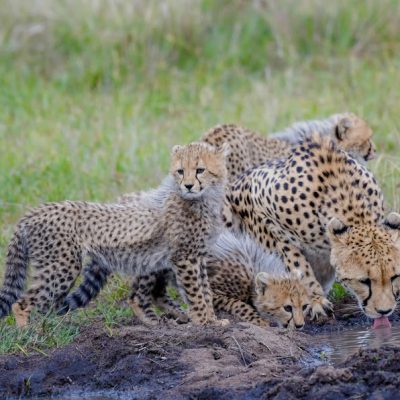
The open plains of the Serengeti provide suitable habitat for cheetahs and good opportunities for sightings.
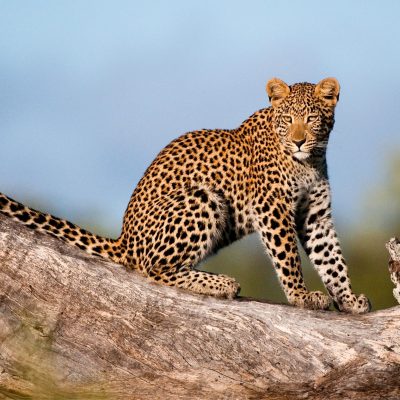
Leopards occur across several Tanzanian ecosystems but remain elusive and require patient observation.
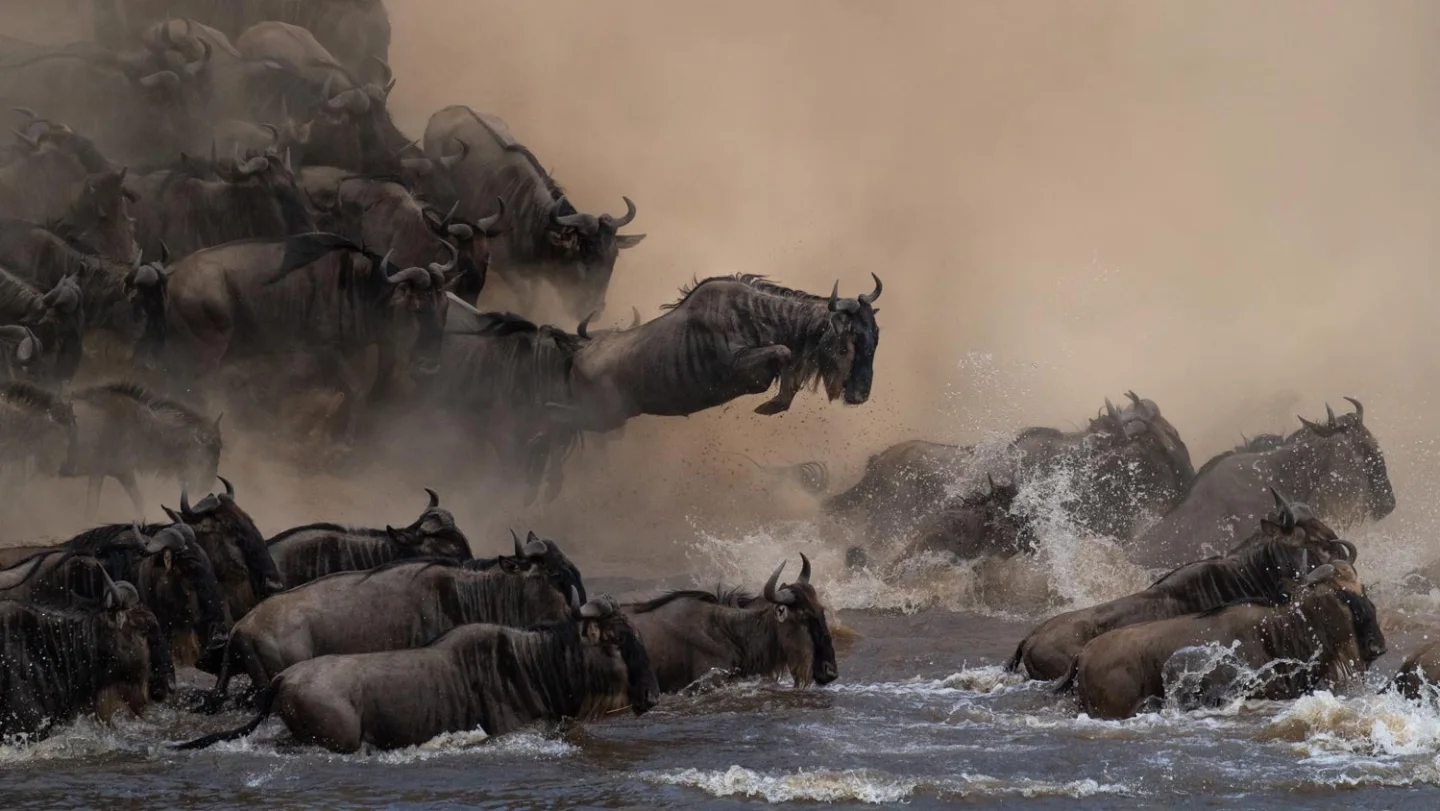
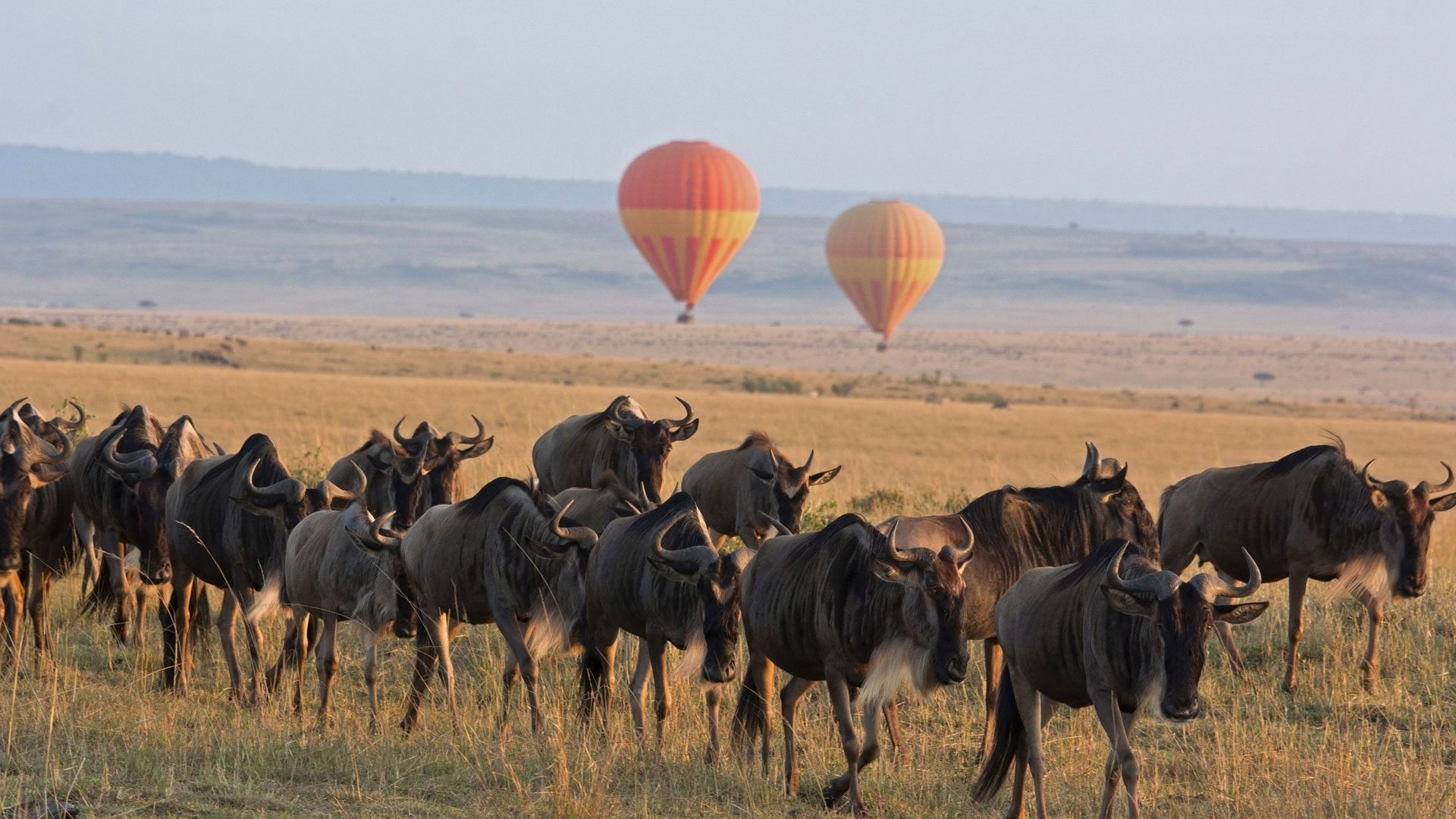
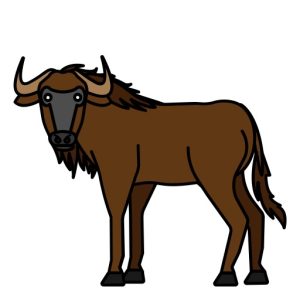
Millions of wildebeest participate in the annual Great Migration across the Serengeti ecosystem and into Kenya's Masai Mara.
Black rhinos can be encountered in protected areas such as the Ngorongoro Conservation Area, although sightings are not guaranteed.
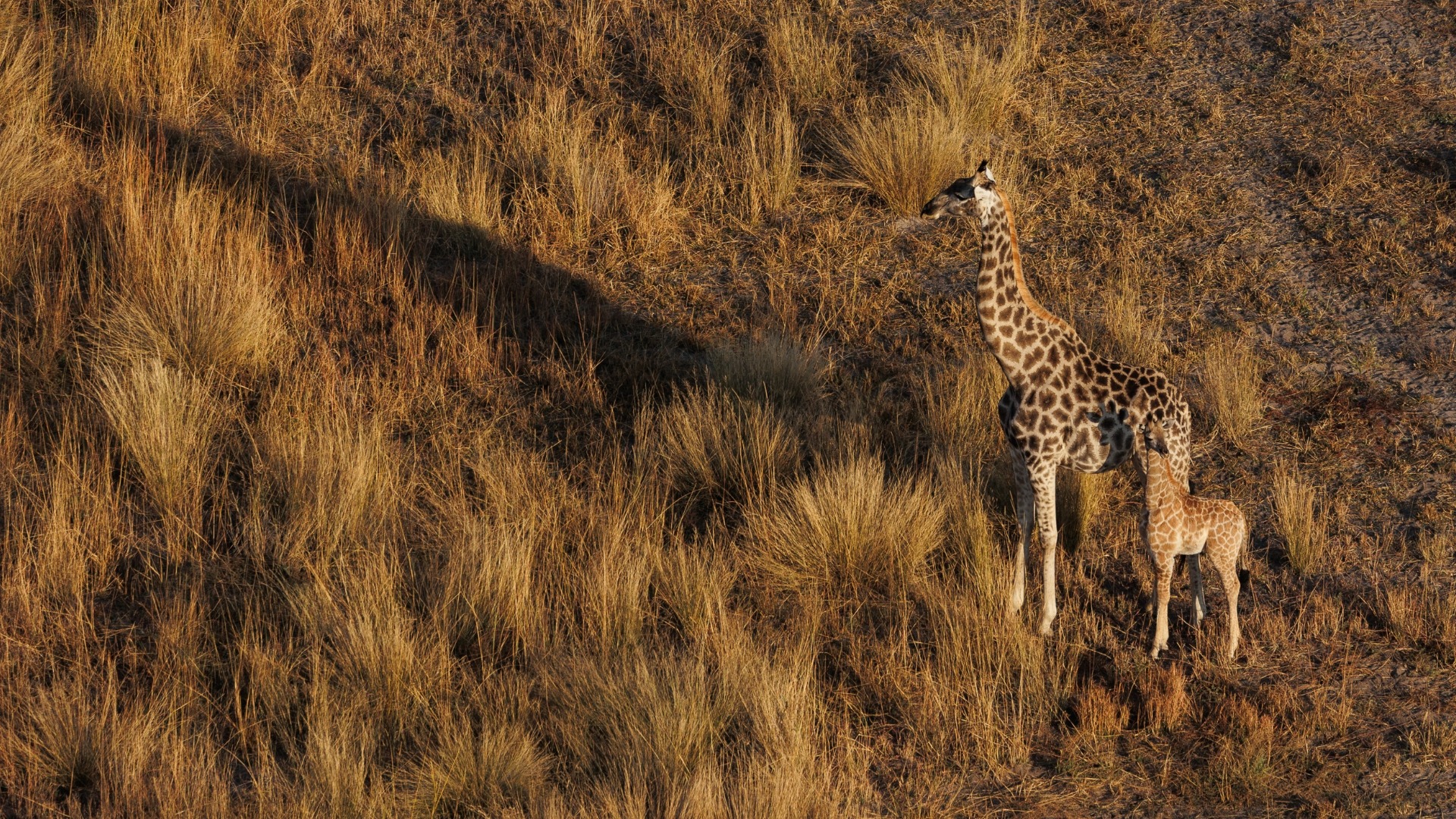
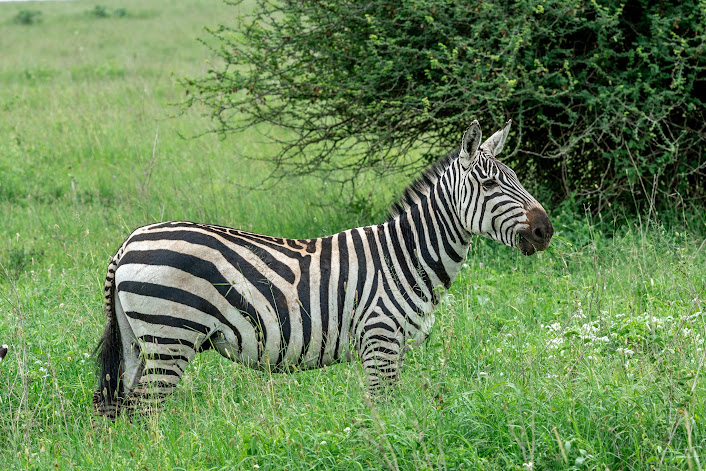
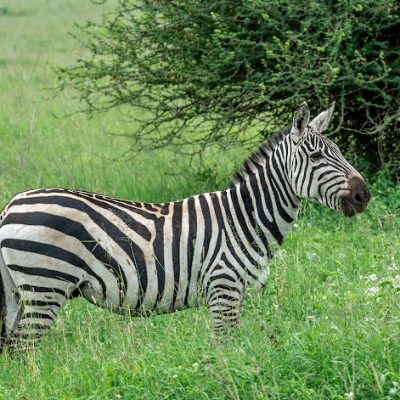
These common plains animals form an important part of Tanzania's classic safari scenery.
Explore one of Africa's most celebrated wildlife ecosystems in search of predators and plains game.
Follow seasonal wildebeest and zebra movements when timing and location align.
Descend into the crater for concentrated wildlife viewing in a spectacular natural setting.
Experience elephants, baobabs and diverse wildlife in a distinctive northern landscape.
Challenge yourself on Africa's highest mountain through a guided multi-day climb.
Meet local communities through carefully arranged and respectful cultural experiences.
Combine a mainland safari with Zanzibar for wildlife followed by Indian Ocean relaxation.
International travellers can enter through major airports serving Tanzania, including Kilimanjaro International Airport and Julius Nyerere International Airport.
Tanzania connects with Kenya, Uganda and other East African destinations.
Domestic and charter flights connect major safari destinations and reduce long overland journeys.
The Masai Mara–Serengeti combination is a popular cross-border safari route.
Usually more practical by air when time is limited.
Tanzanian Shilling (TZS); major tourism businesses commonly accept international payment methods.
Kiswahili is the national language, while English is widely used in tourism.
Tanzania generally uses Type D and Type G sockets; an international adapter is useful.
Connectivity is reasonable in towns and lodges but can be limited in remote safari areas.
Tanzania operates on East Africa Time (EAT), UTC+3, throughout the year.
Stay inside designated safari vehicles unless your guide confirms it is safe to leave.
Safari routes can involve long journeys and rough sections, particularly in remote areas.
Discuss appropriate malaria prevention with a qualified travel-health professional before travelling.
Requirements can depend on your travel history and previous countries visited.
Comprehensive travel insurance is recommended for safari, trekking and remote-area travel.