/
/
/
Mount Kilimanjaro

Mount Kilimanjaro

Africa's Rooftop Above the Savannah

Climb Africa's Highest Mountain

Peak Season

June–October and January–February — Popular periods for trekking.

Best Time to Visit

June–October and January–February — Generally drier conditions for climbing.

Famous For

Africa's highest mountain and its iconic snow-capped summit.

Home Of

Kilimanjaro National Park, diverse mountain ecosystems and the famous Uhuru Peak.

Why Visit Mount Kilimanjaro

Mount Kilimanjaro is Tanzania’s iconic volcanic mountain and Africa’s highest peak. Unlike technical Himalayan-style climbs, its standard trekking routes do not require technical mountaineering skills, but reaching the summit remains physically demanding.

The mountain rises through several ecological zones, from cultivated foothills and forest to moorland, alpine desert and the high summit zone. The attraction is therefore not simply reaching the top—it is experiencing a dramatic change in landscape and altitude over several days.

Kilimanjaro is best suited to travellers who want a challenging adventure combined with wildlife or safari experiences.

Show

Apollo Musinguzi

Founder & Lead Guide, Big Predators Tours

Over 20 years guiding safari adventures across Uganda, & Rwanda

Do not choose a Kilimanjaro route based only on price. Acclimatization and a sensible itinerary are much more important when preparing for the summit.

Best Time to Visit Mount Kilimanjaro

Kilimanjaro can be climbed throughout much of the year, but the drier periods generally provide more favourable trekking conditions. Weather can still change quickly on the mountain.

June – September
(Peak Season)

June–October attracts strong trekking demand.
January–February is another popular climbing period.
Clearer conditions can improve summit views.
Popular routes may have more trekkers.
Accommodation and trekking services can be in higher demand.
Advance planning is advisable during busy periods.
Best Overall

December – February
(Dry Season)

Generally better trekking conditions.
Trails are usually less affected by heavy rainfall.
Summit visibility can be better.
Photography conditions can be excellent.
Camps can experience cold nights.
Summit temperatures remain extremely cold regardless of season.
Great Option

March – May & October – November (Dry Season)

March–May generally receives more rainfall.
November can also bring wetter conditions.
Lower slopes can become wet and muddy.
Clouds may reduce mountain visibility.
Fewer trekkers can mean a quieter experience.
Flexible travellers may find this period attractive despite wetter conditions.
Budget Friendly

Wildlife Highlights

Kilimanjaro can be climbed throughout much of the year, but the drier periods generally provide more favourable trekking conditions. Weather can still change quickly on the mountain.
elephant-on-the-plains-kidepo-valley-national-park

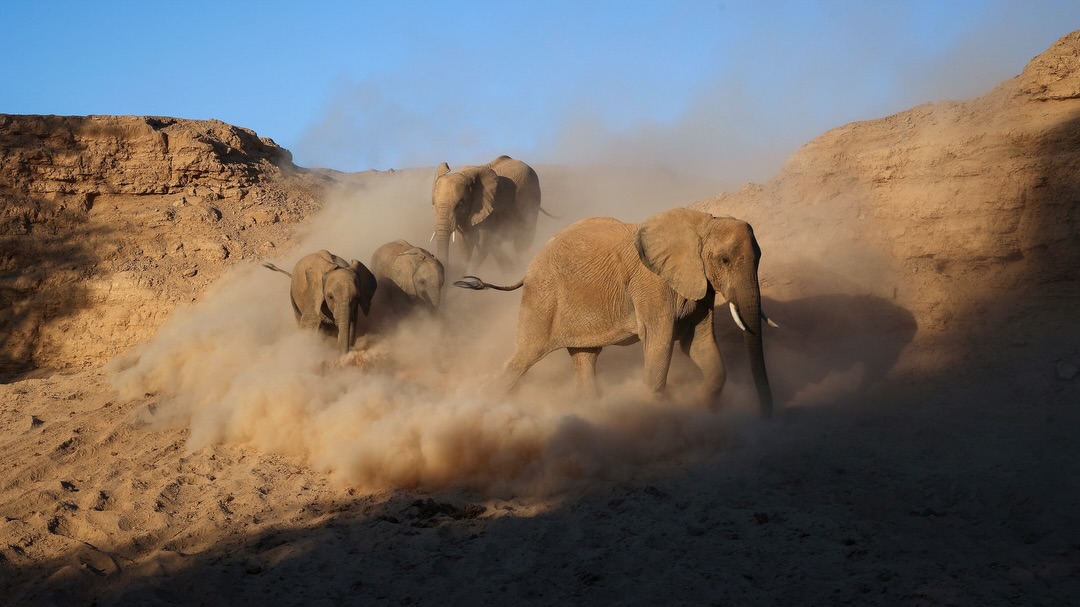
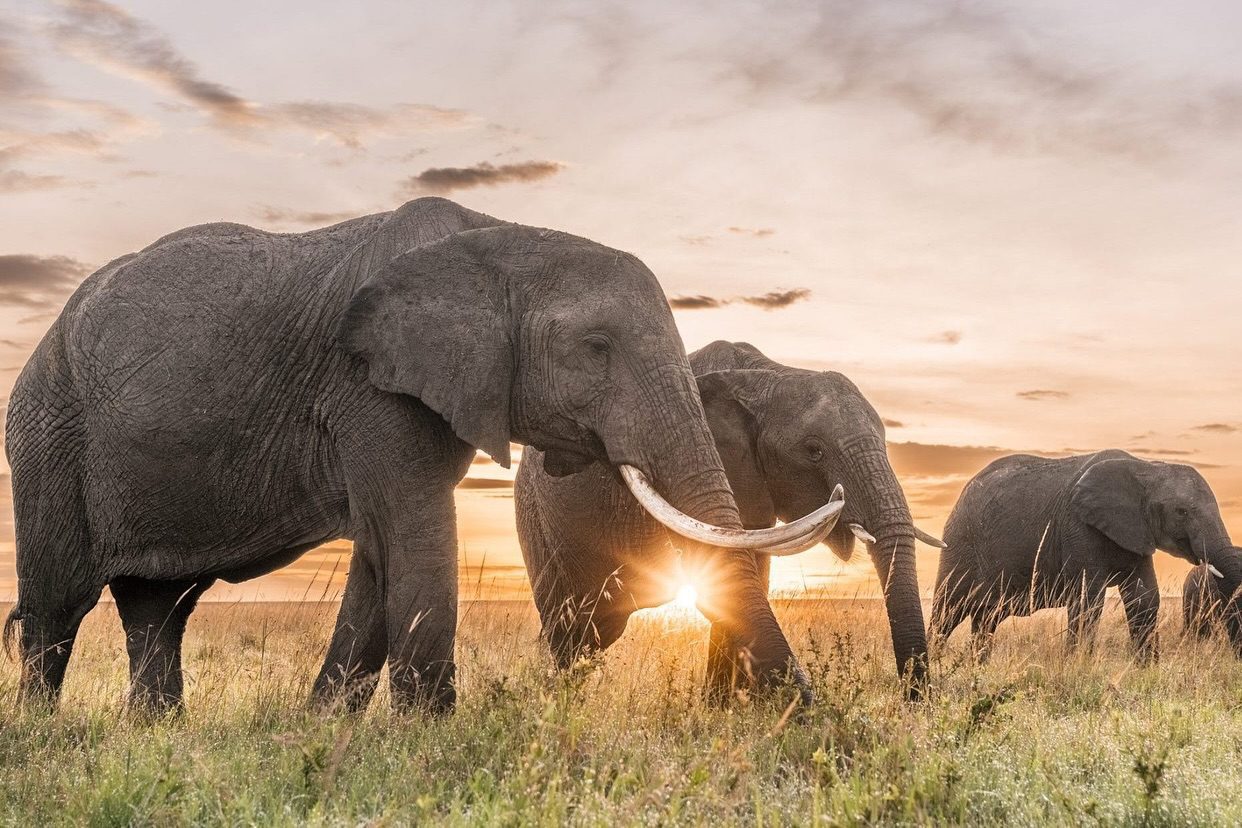
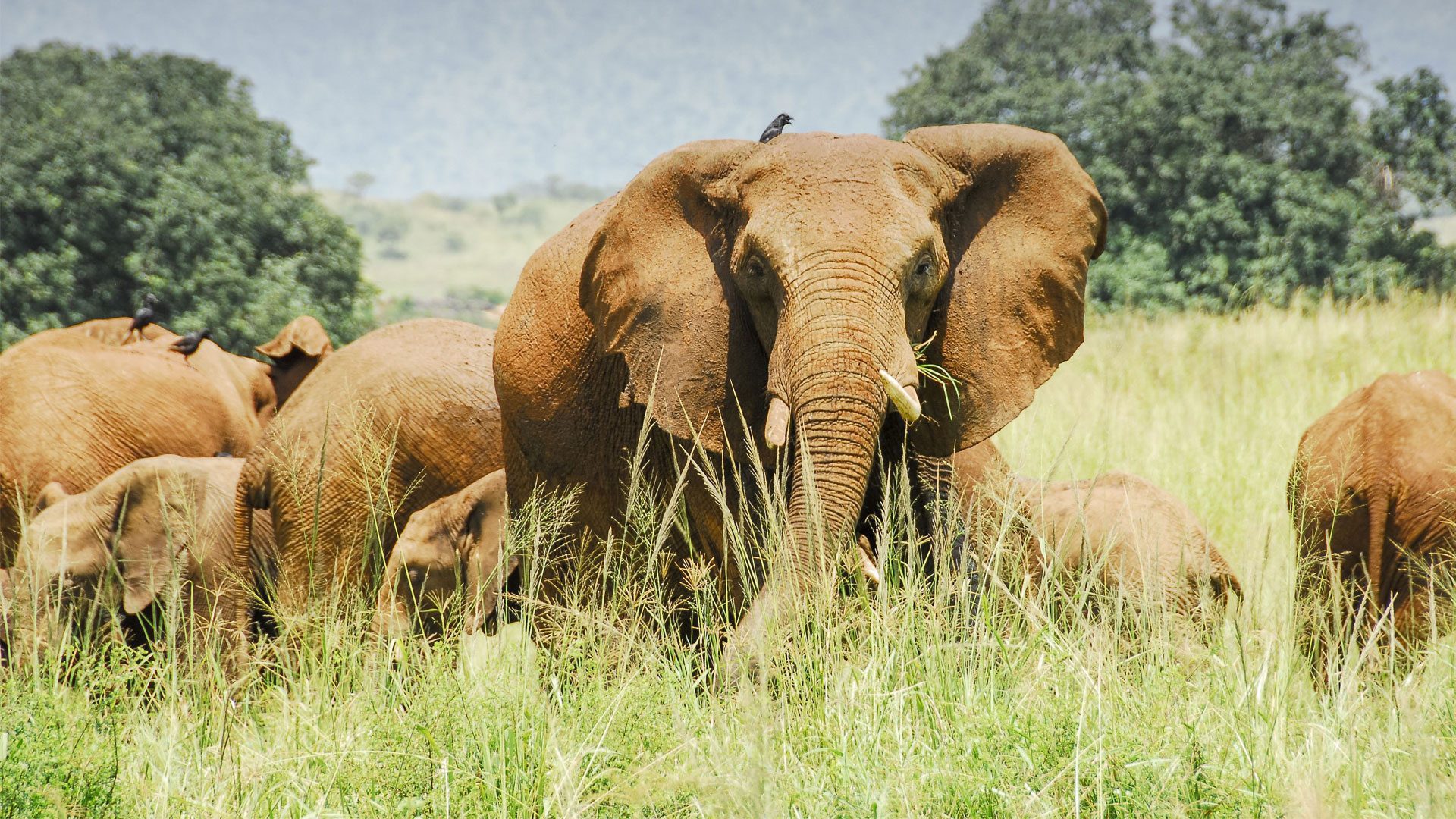
Elephants

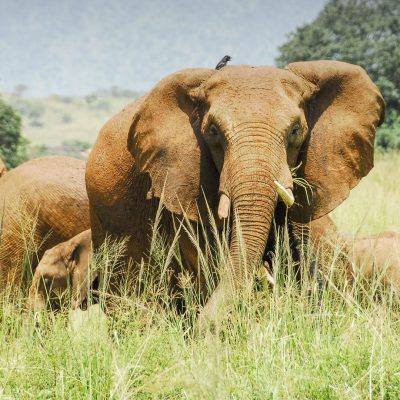
Elephants occur in the wider Kilimanjaro ecosystem, although mountain trekking is not primarily an elephant-viewing experience.

Bufallows and Birds in Murchison falls National Park

Buffalo

Buffalo can occur in forested areas and lower mountain habitats, but sightings during climbs are not the main attraction.

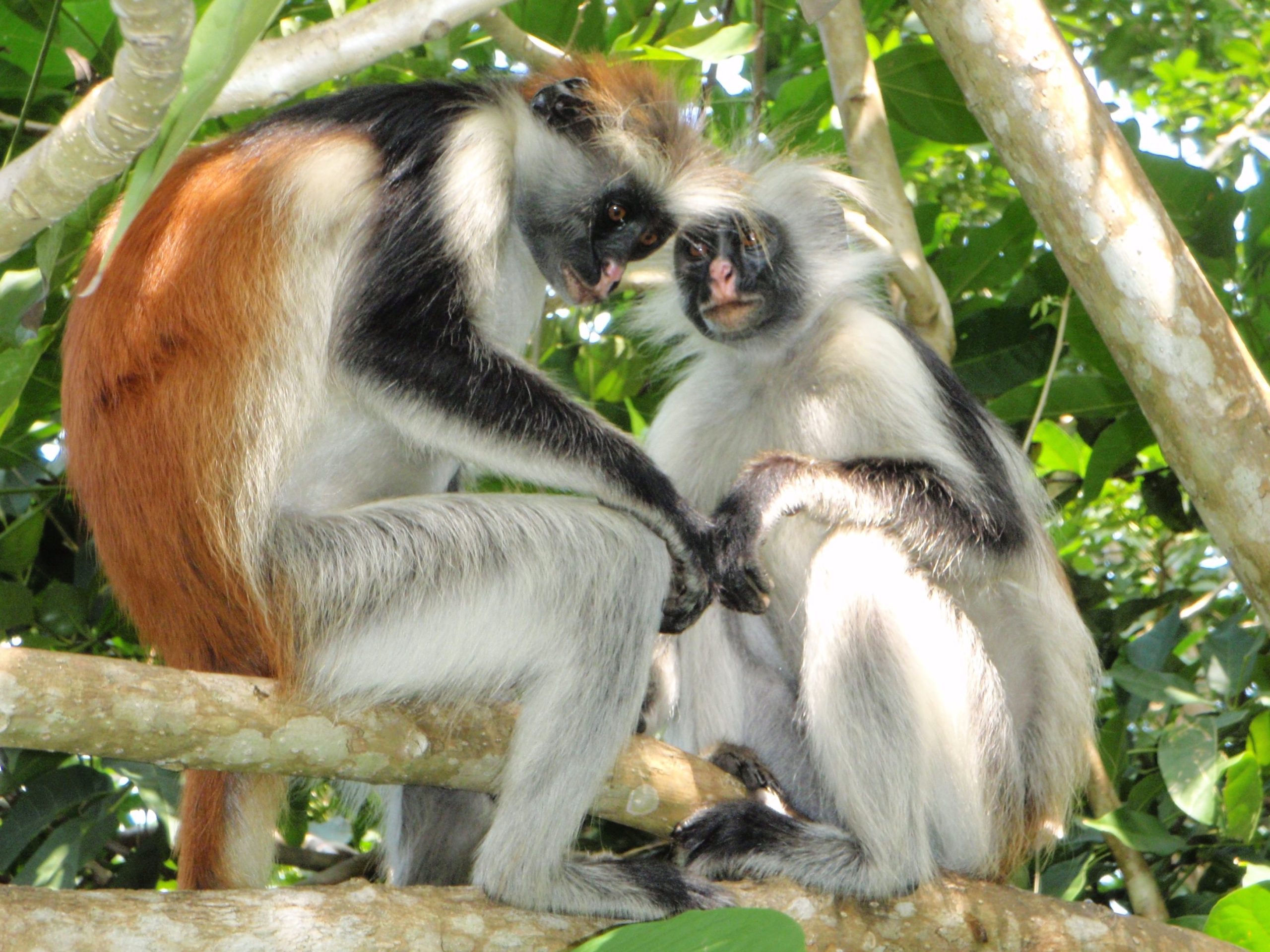
Red_Colobus_7

Colobus Monkeys

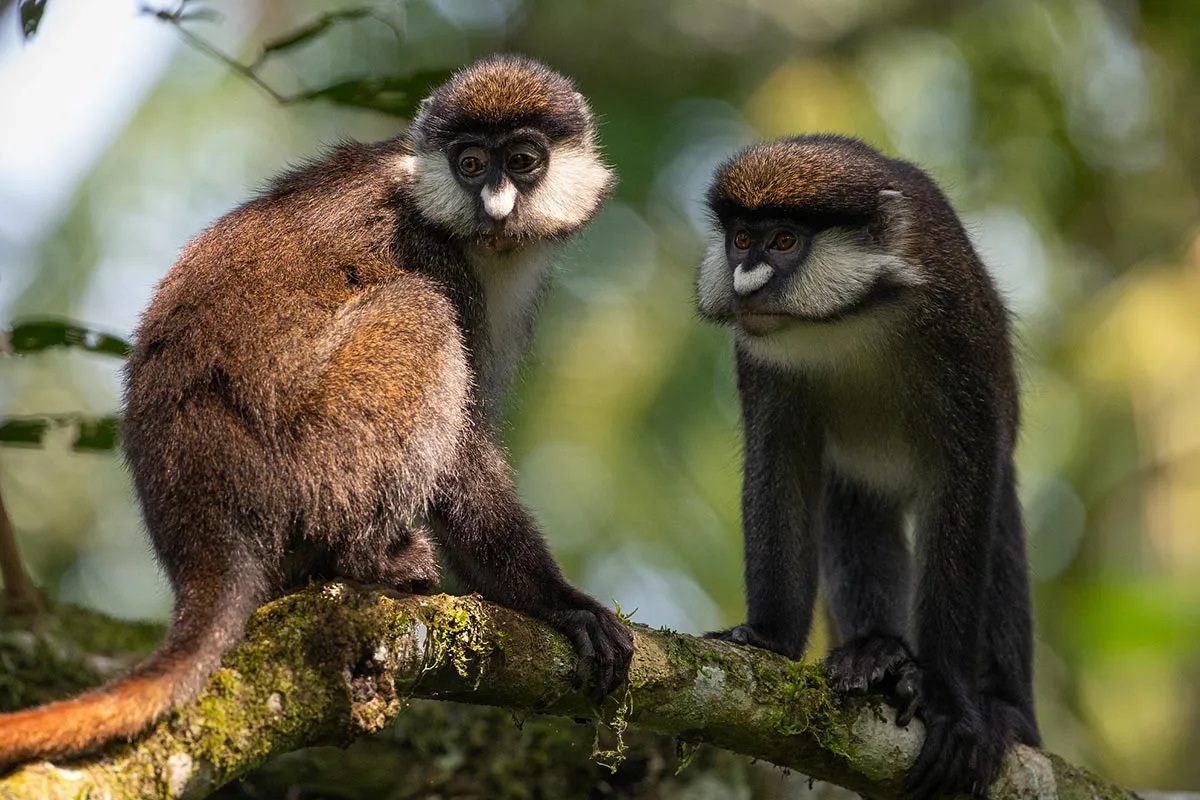
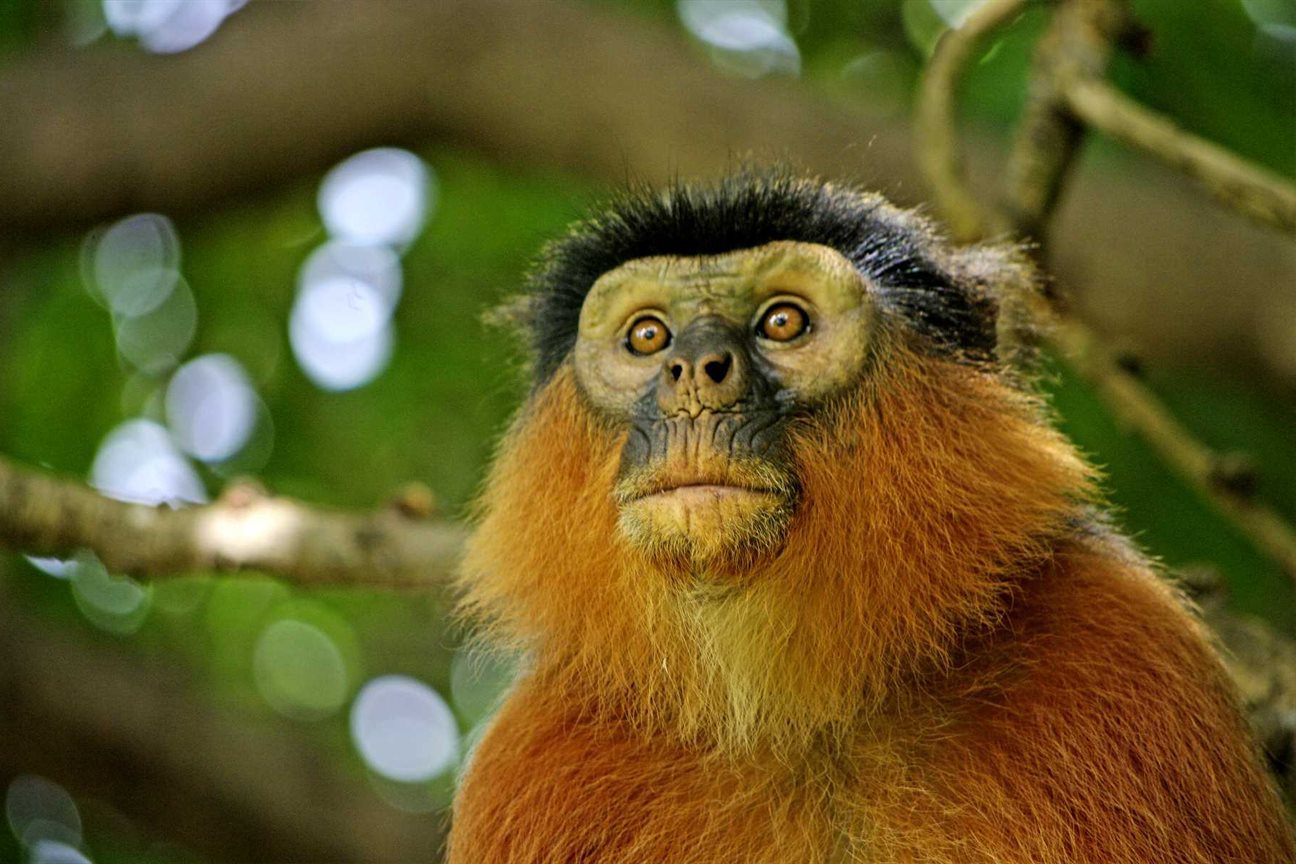
Forest zones provide habitat for monkeys and other smaller wildlife that trekkers may encounter.

outdoor bird warching

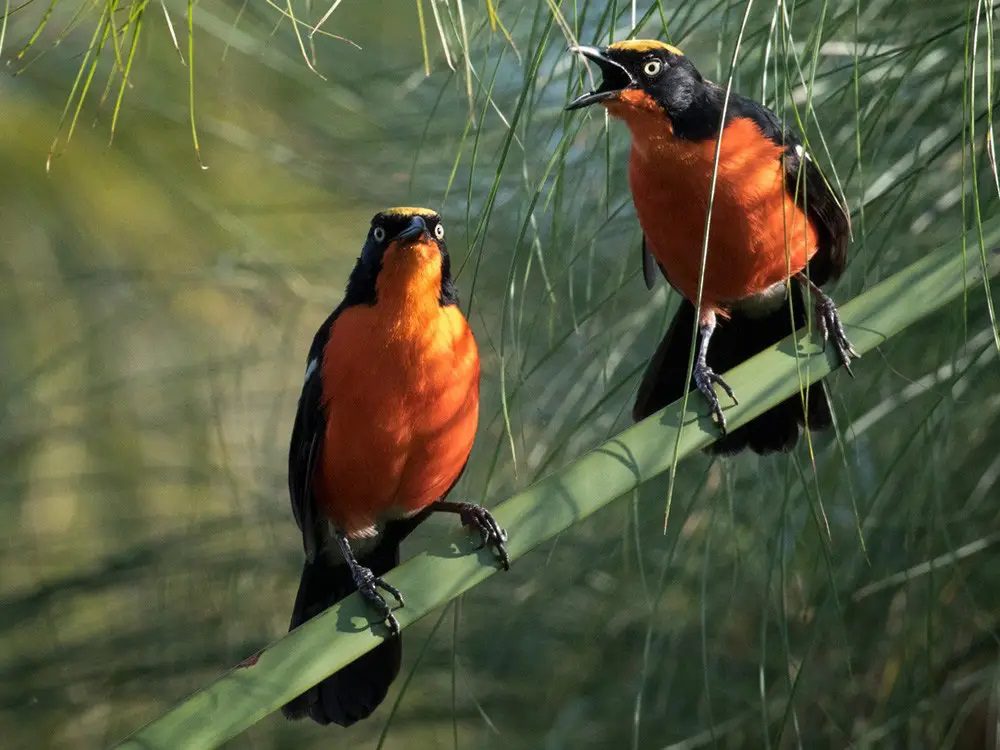
Birdlife

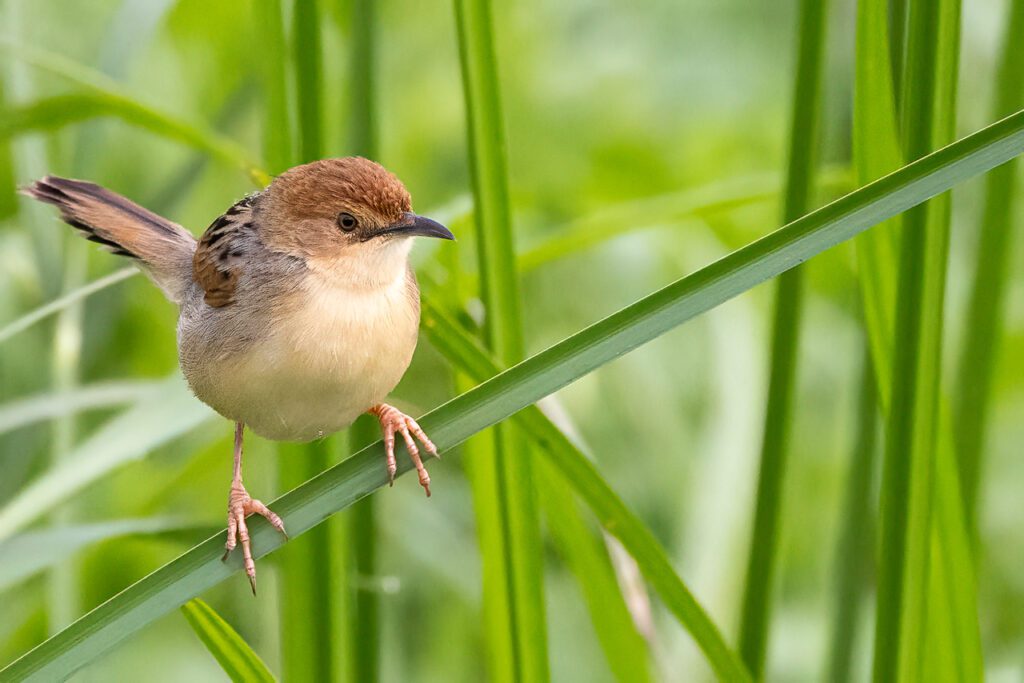
The mountain's changing habitats support varied birdlife, making the trek interesting for birdwatchers as well as climbers.

TOP THINGS TO DO IN Mount Kilimanjaro

summit

Summit Trekking

Climb toward Uhuru Peak through Kilimanjaro's changing ecological zones.

trekking

Scenic Hiking

Experience forests, moorlands, alpine desert and high-altitude landscapes.

photographer

Photography

Capture changing vegetation, mountain scenery and summit views.

cultural

Cultural Experiences

Learn about communities living around the mountain.

destination

Combine With Safari

Add Serengeti, Ngorongoro or another northern Tanzania safari destination after your climb.

Explore Mount Kilimanjaro

No data was found

Getting There

airplane-mode

By Air

Kilimanjaro International Airport is the main gateway for travellers visiting the mountain.

safari jeep

By Road

Arusha and Moshi are important bases for Kilimanjaro trekking arrangements.

border

From Kenya

Kilimanjaro can be combined with Kenya's safari destinations, although border and transfer logistics should be planned carefully.

Where To Stay in Mount Kilimanjaro

No accommodation was found

Pros and Cons of Visiting Mount Kilimanjaro

Pros of Visiting Mount Kilimanjaro

Africa's highest mountain.
Exceptional multi-day adventure.
Dramatic changing landscapes.
No technical climbing required on standard routes.
Excellent addition to a Tanzania safari.
Strong sense of achievement at the summit.

Things to Consider

Summit success is not guaranteed.
Altitude sickness is a serious consideration.
Trekking is physically demanding.
Summit conditions can be extremely cold.
Weather can change quickly.
Longer routes require more time and preparation.

PRACTICAL INFORMATION

international location

Location

Mount Kilimanjaro is in northern Tanzania, close to the Kenya border.

trekking

Trekking Duration

Routes vary in length; longer itineraries generally allow more time for acclimatization.

hiking

Equipment

Warm layers, waterproof clothing, suitable hiking footwear and appropriate trekking equipment are essential.

Accommodation

Accommodation

Trekkers generally stay in mountain camps or huts depending on the chosen route.

photography

Guide Requirement

Kilimanjaro climbs should be undertaken through properly organized trekking operations with professional mountain support.

SAFETY & HEALTH

altitude

Altitude

High altitude is the major health consideration, and acclimatization should be taken seriously throughout the climb.

healthcare

Physical Preparation

Regular cardiovascular and hiking preparation can help travellers handle the demanding terrain and long trekking days.

atmospheric-conditions

Weather

Mountain conditions can change rapidly, requiring proper clothing and preparation for rain, wind and extreme cold.

doctor

Medical Advice

Consult a qualified travel-health professional before undertaking a high-altitude trek, particularly regarding individual health circumstances.

insurance

Travel Insurance

Choose insurance that specifically covers trekking at Kilimanjaro's altitude and potential emergency evacuation.