Where Vast Wilderness Meets Untamed Wildlife
June–October — Dry conditions, strong wildlife viewing and higher safari demand.
June–October — Wildlife concentrates around water and conditions are generally favourable for game drives.
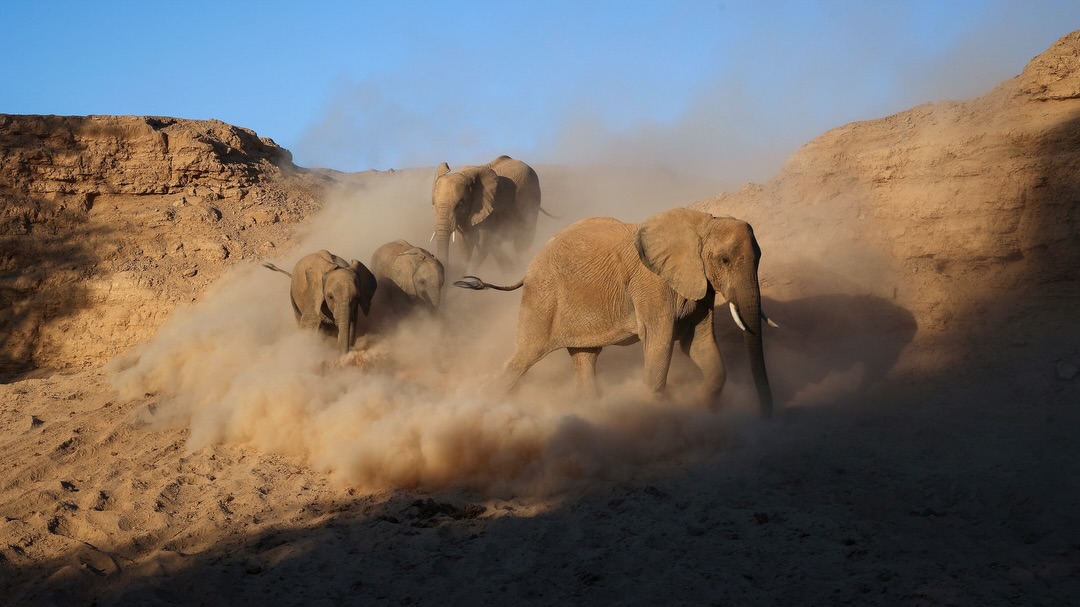
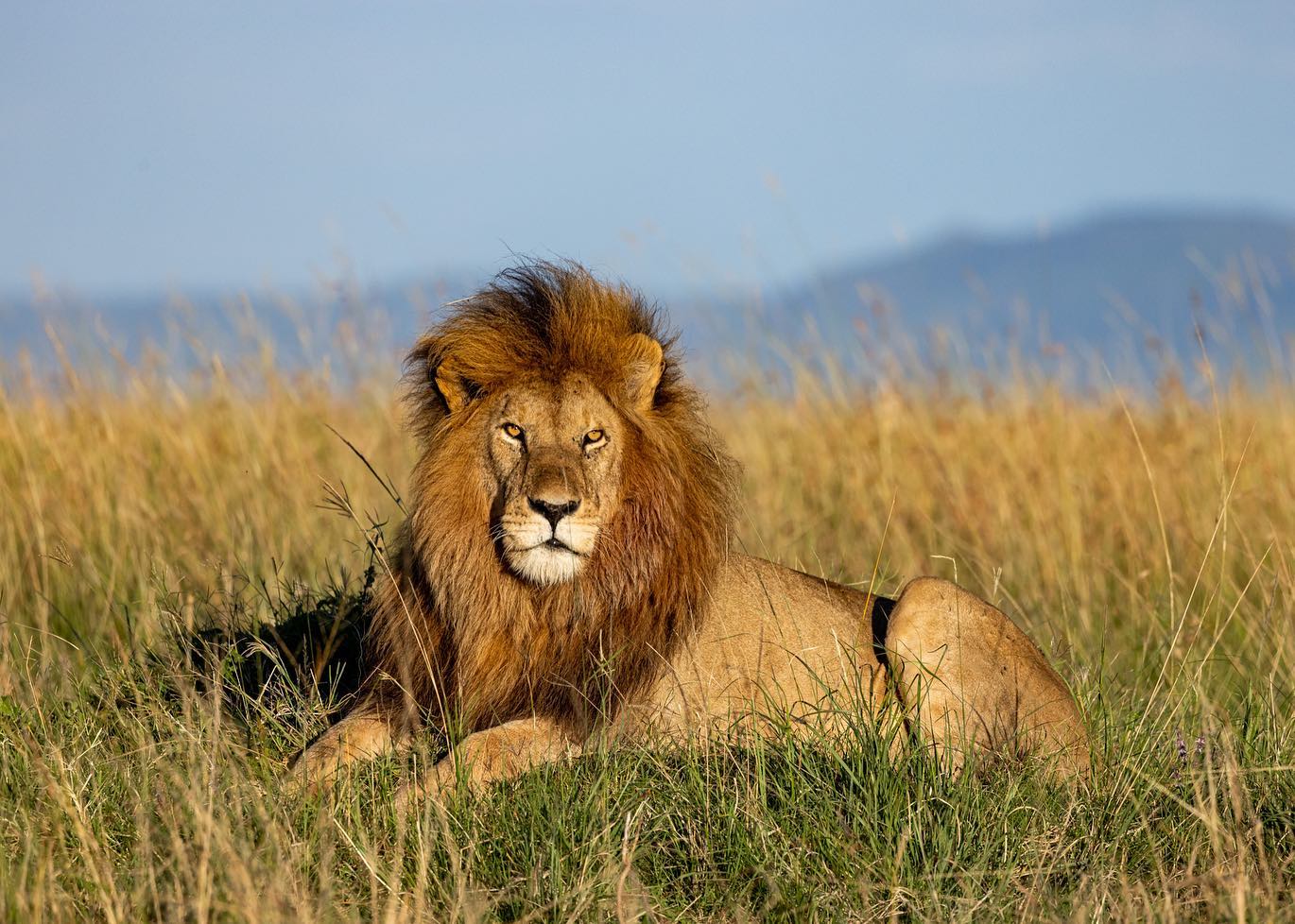
Elephants, large lion prides, wild dogs, baobabs and the Great Ruaha River.
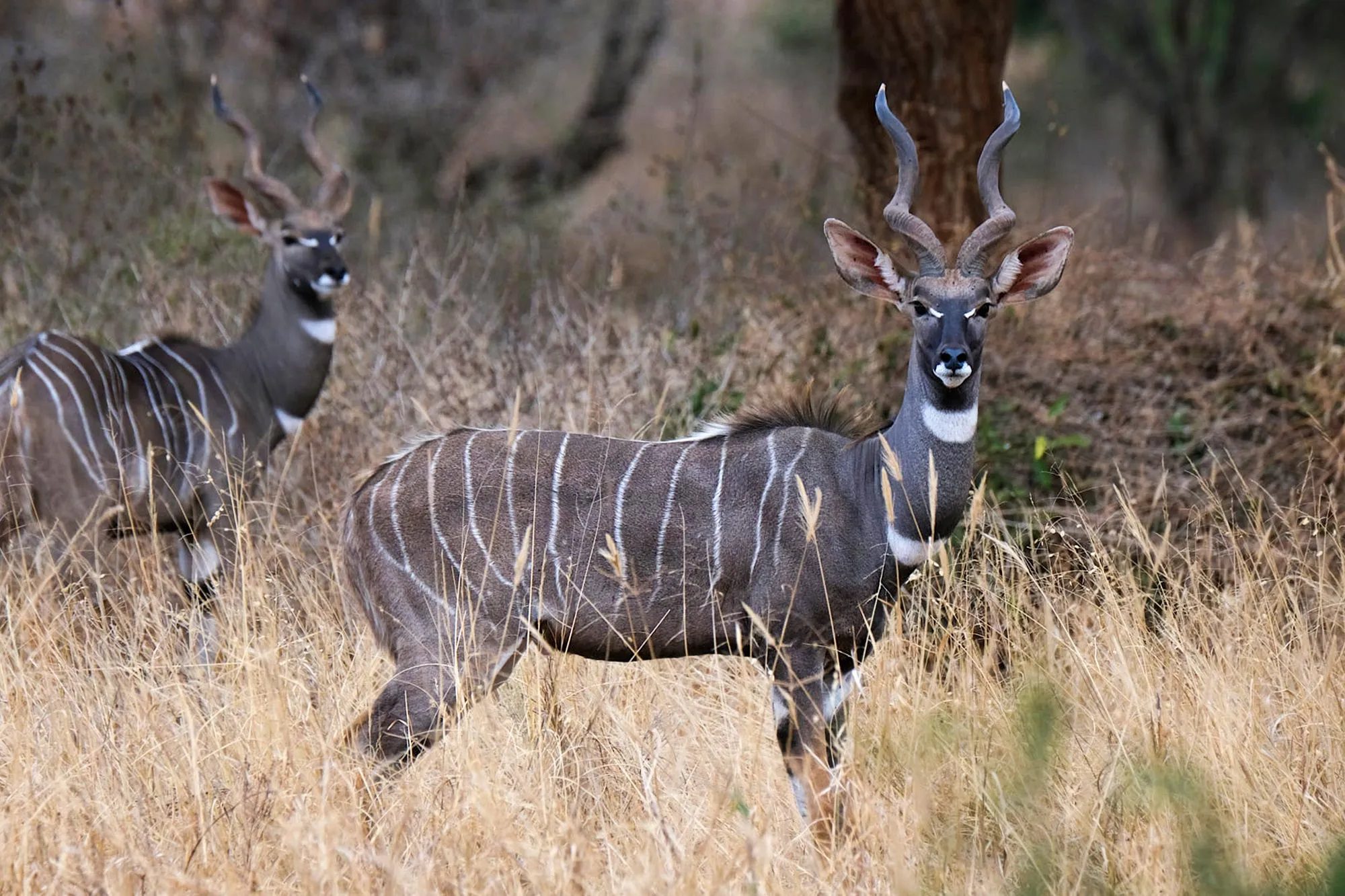
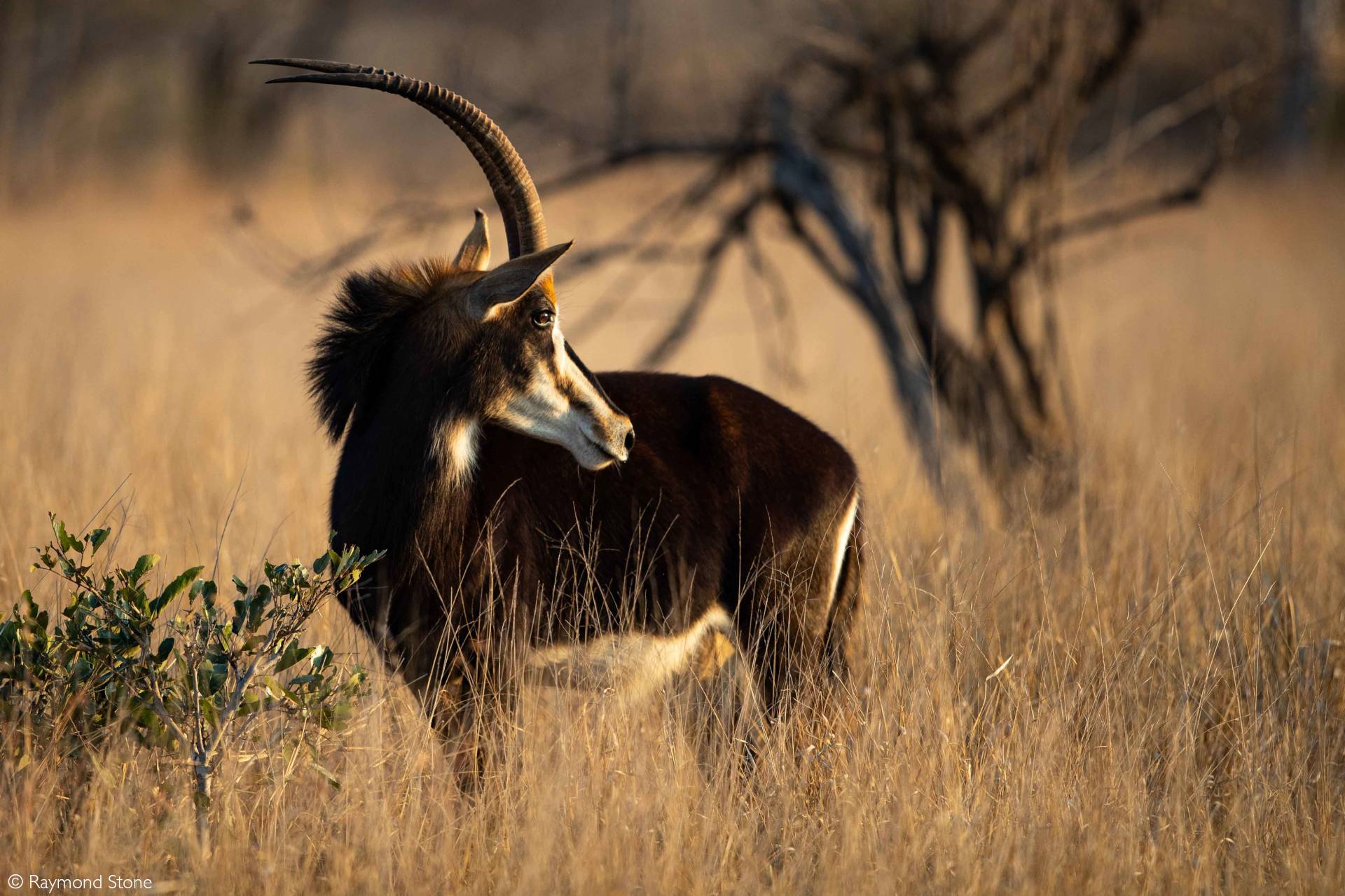
Greater and lesser kudu, sable, roan, elephants, buffalo, wild dogs and diverse birdlife.
Ruaha National Park is one of Tanzania’s great wilderness destinations, located in the country’s south-central region. Its huge landscapes of baobab-studded savannah, miombo woodland, rocky terrain and river systems create a distinctly wild safari environment.
The park is particularly rewarding for travellers who want fewer crowds, strong predator viewing and a more remote safari atmosphere. The Great Ruaha River becomes especially important during the dry season, attracting elephants, buffalo, predators and birdlife.

Choose Ruaha if you value wilderness and wildlife over having the shortest or easiest safari itinerary. Its remote character is part of the experience.
- Apollo Musinguzi Contact Us
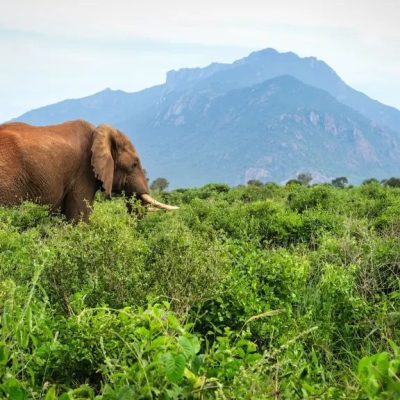
Large herds can gather around the Great Ruaha River and other water sources during the dry season.
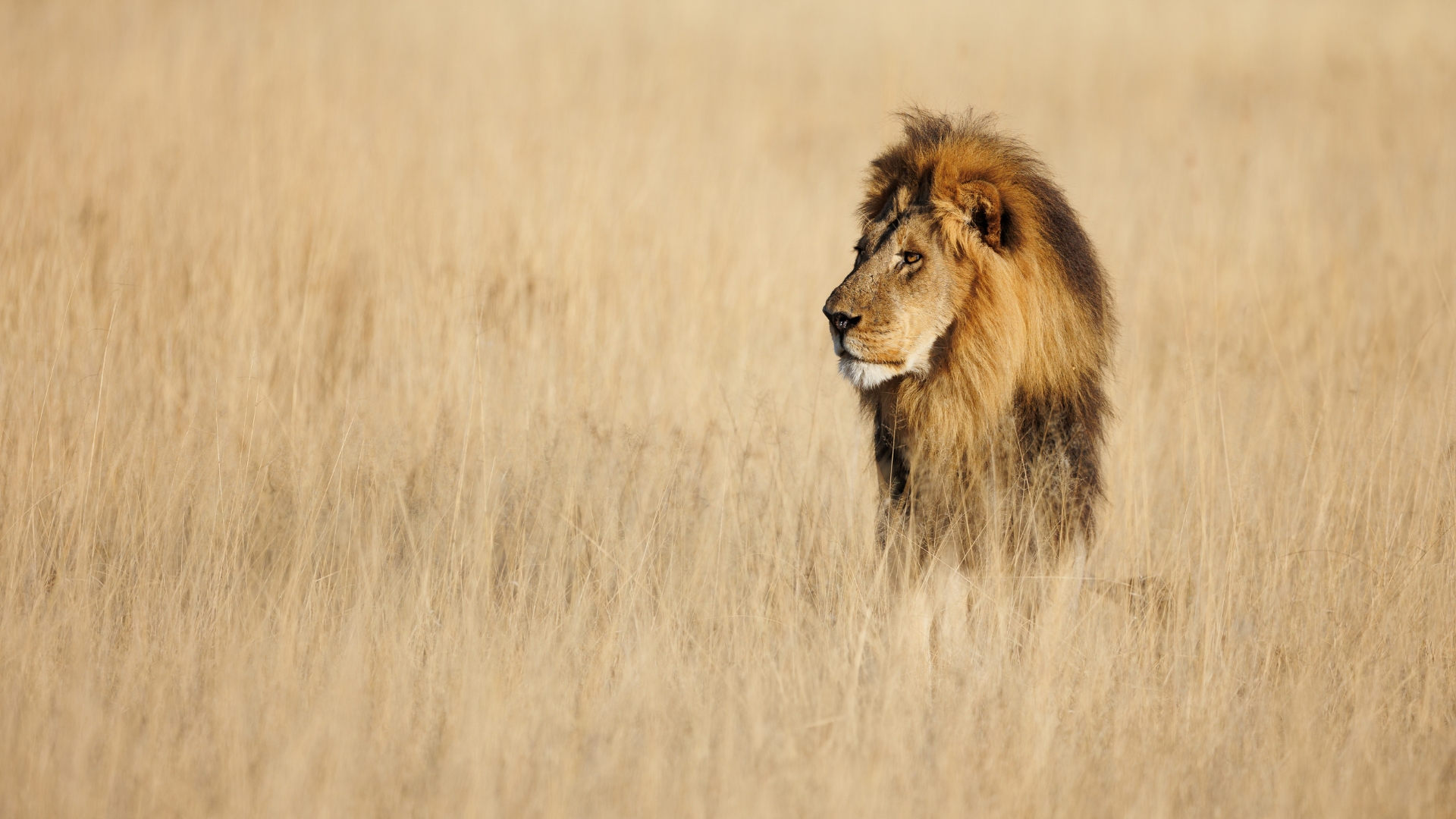
Ruaha is known for large lion prides and offers strong opportunities for predator encounters.
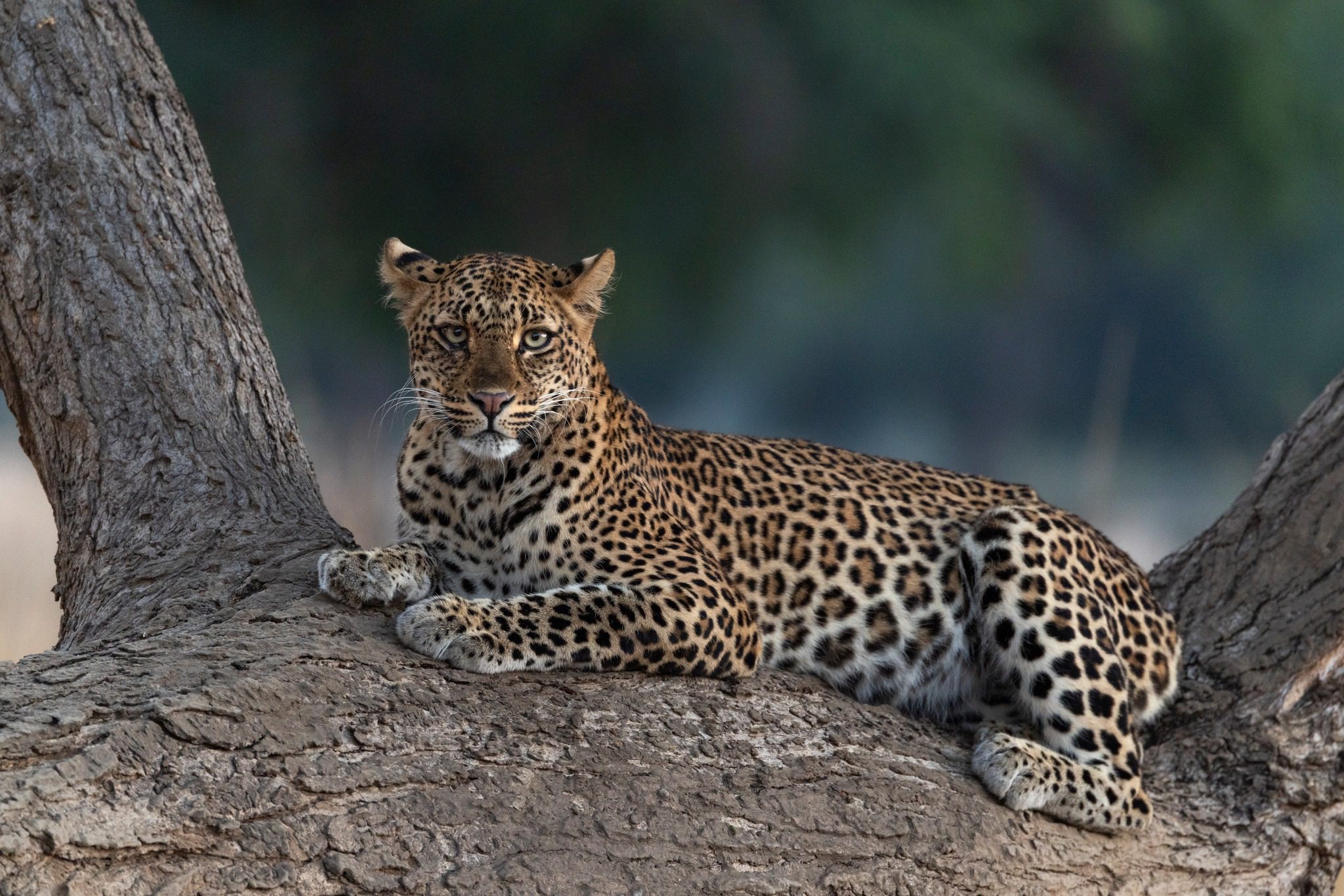
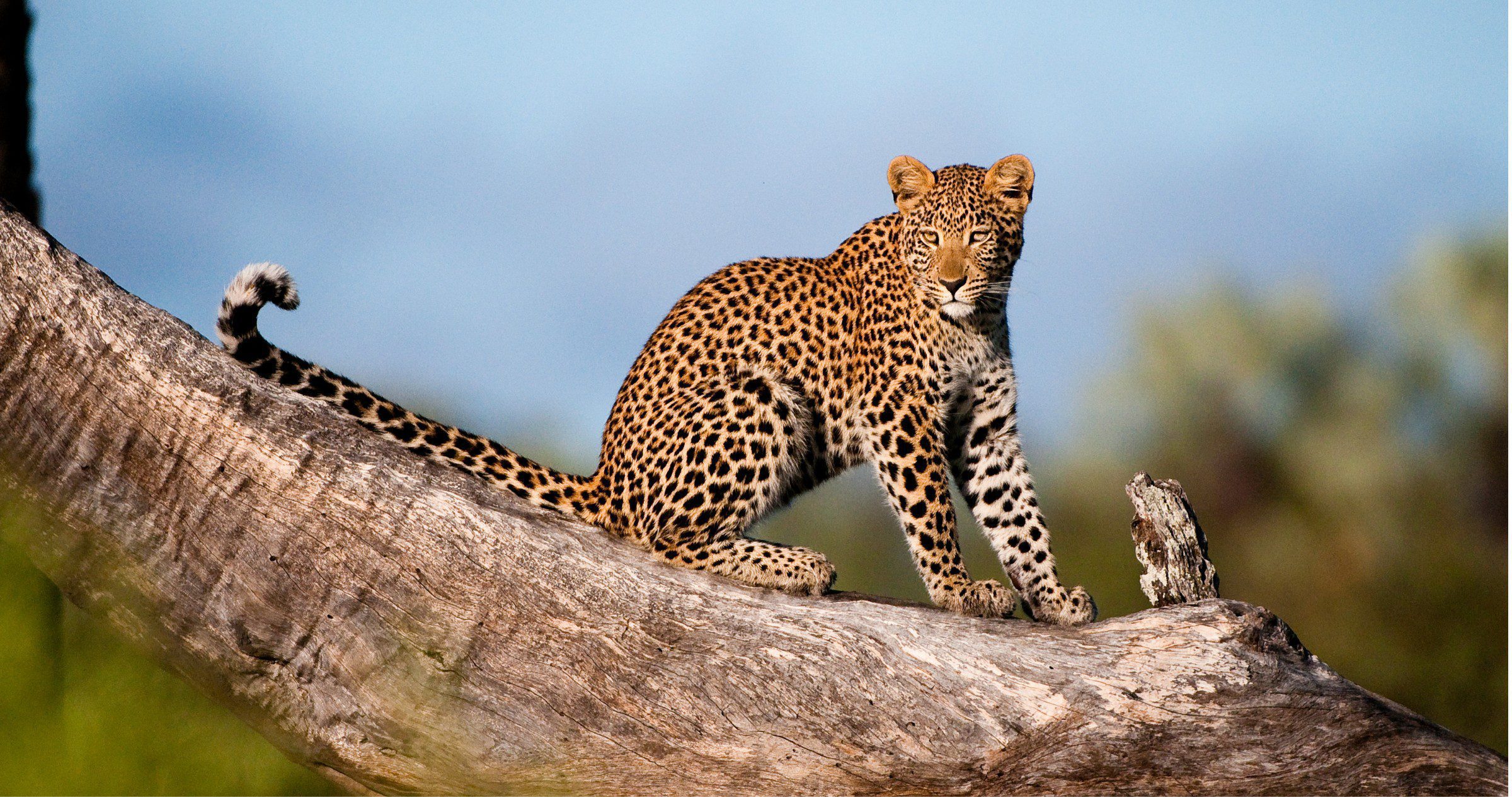
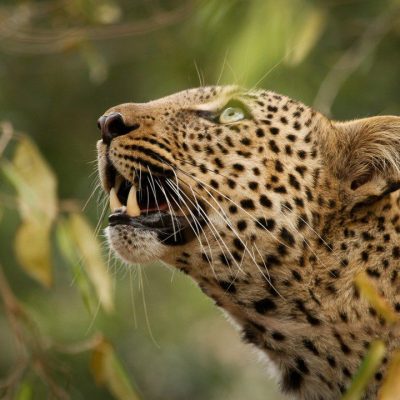
Leopards inhabit the park but remain elusive, making sightings less predictable.
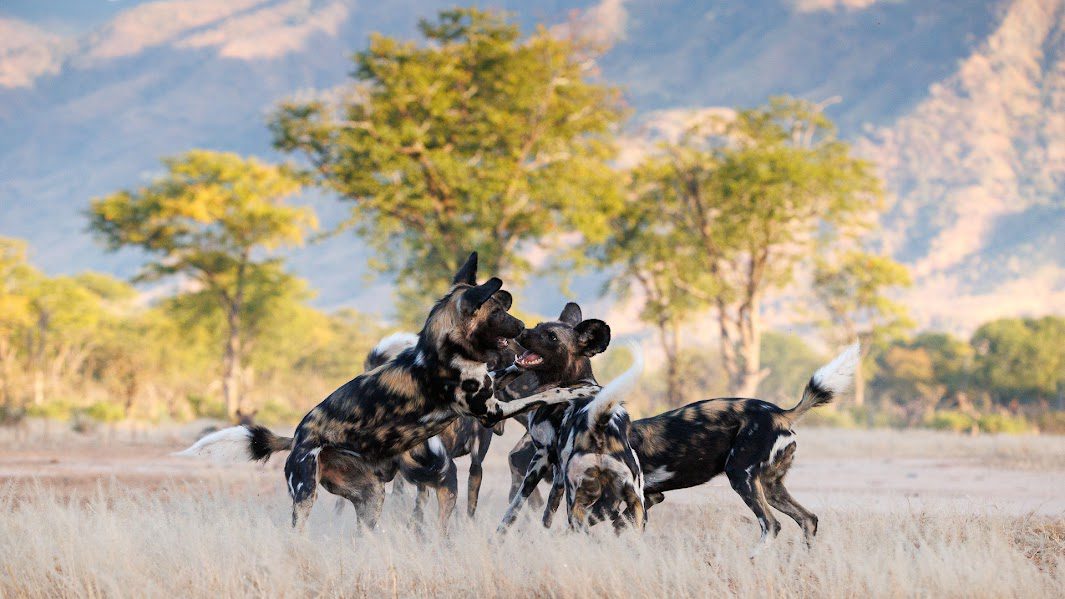
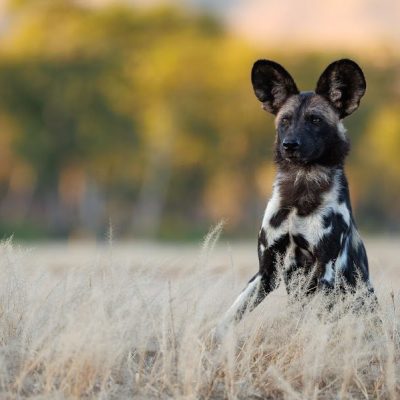
Ruaha supports important wild dog populations, making it a particularly interesting destination for travellers seeking this increasingly rare predator.
Both species occur in Ruaha, with the park particularly notable for its kudu diversity.
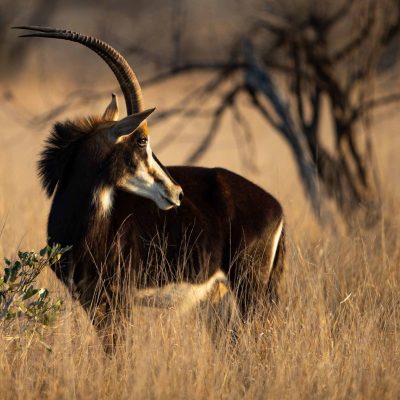
These less commonly encountered antelopes add a distinctive southern-African character to Ruaha's wildlife experience.
Ruaha supports exceptionally diverse birdlife, with more than 570 species recorded and both resident and migratory species present.
Explore Ruaha's vast wilderness in search of elephants, predators and unusual antelope.
Experience tracks, plants and smaller wildlife from closer to ground level with authorized guides.
Explore river lines and woodland habitats for Ruaha's rich birdlife.
Capture predators, elephants, baobabs and dramatic landscapes.
Enjoy evening views across Ruaha's expansive wilderness.
Experience exceptionally dark skies away from major urban areas.
Scheduled and charter flights can connect travellers with Msembe and Jongomero airstrips.
Ruaha can be reached from Iringa, with road conditions and journey times varying seasonally.
A capable safari vehicle is particularly useful, especially during wetter periods.
Ruaha lies in south-central Tanzania, west of Iringa and within the country's southern safari circuit.
Tanzanian Shilling (TZS); established safari properties may accept major international payment methods.
Options include camps, lodges, public campsites and other accommodation around the park.
Park gates close in the early evening, so arrival and safari planning should account for operating times.
Remain inside the safari vehicle unless your guide confirms that leaving is permitted and safe.
Guided walks must follow park regulations and be conducted with authorized guides or rangers.
Discuss appropriate malaria prevention with a qualified travel-health professional before travelling.
Carry sufficient drinking water, sunscreen and insect repellent during safari activities.
Comprehensive insurance is recommended for remote safari travel and unexpected medical or transport disruptions.