/
/
/
Moroto

Moroto

Uganda's Rugged Northeastern Frontier

Where Mountain Trails Meet Karamoja Culture

Peak Season

June–August and December–February — Drier conditions are generally better for hiking and exploring the region.

Best Time to Visit

December–February and June–August — Better conditions for hiking, cultural visits and outdoor activities.

Famous For

Mount Moroto, Karamoja culture, hiking and semi-arid landscapes.

Home Of

Mount Moroto, Karamojong communities, mountain forests and distinctive northeastern Ugandan wildlife.

Why Visit Moroto

Moroto is the gateway to Karamoja, Uganda’s rugged northeastern region. The destination combines Mount Moroto’s dramatic slopes with semi-arid plains, traditional Karamojong culture and a less-developed tourism environment.

It is best suited to travellers looking beyond Uganda’s better-known gorilla and savannah destinations and wanting hiking, culture, scenery and a genuinely off-the-beaten-path experience.

Show

Apollo Musinguzi

Founder & Lead Guide, Big Predators Tours

Over 20 years guiding safari adventures across Uganda, & Rwanda

Moroto works best when you slow down. Combine a Mount Moroto hike with a genuine community experience rather than treating the destination as simply a mountain stop.

Best Time to Visit Moroto

Moroto has a semi-arid climate, so timing matters most for hiking comfort, road conditions and access to outdoor experiences.

June – September
(Peak Season)

June–August is a popular period for hiking.
Outdoor activities are generally easier to organise.
December–February also offers favourable drier conditions.
Mountain trails are usually more manageable.
Clearer conditions can improve mountain views.
Accommodation demand may increase around popular periods.
Best Overall

December – February
(Dry Season)

Conditions are generally better for Mount Moroto hiking.
Trails are less likely to be muddy.
Road travel can be more predictable.
Mountain views can be clearer.
Daytime conditions can be hot and dry.
Water planning is important during longer hikes.
Great Option

March – May & October – November (Dry Season)

Seasonal rainfall brings greener vegetation.
The semi-arid landscape changes noticeably after rain.
Hiking conditions can become more difficult.
Heavy rainfall may affect some roads and trails.
Bird activity can become more interesting.
Fewer visitors can create a quieter experience.

Budget Friendly

Wildlife Highlights

Moroto has a semi-arid climate, so timing matters most for hiking comfort, road conditions and access to outdoor experiences.
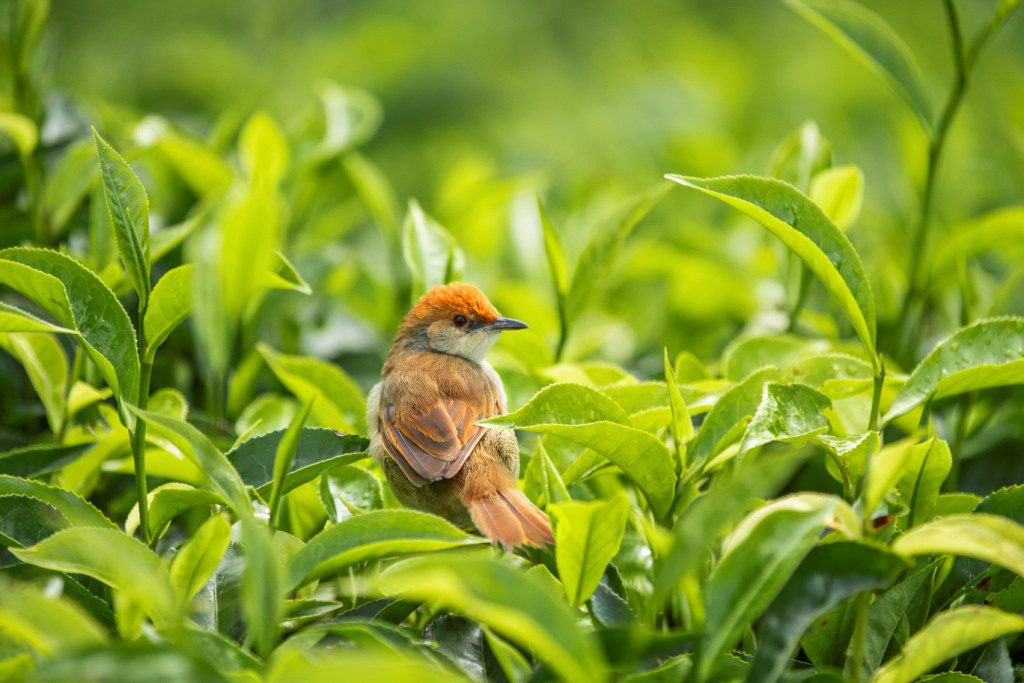
bird

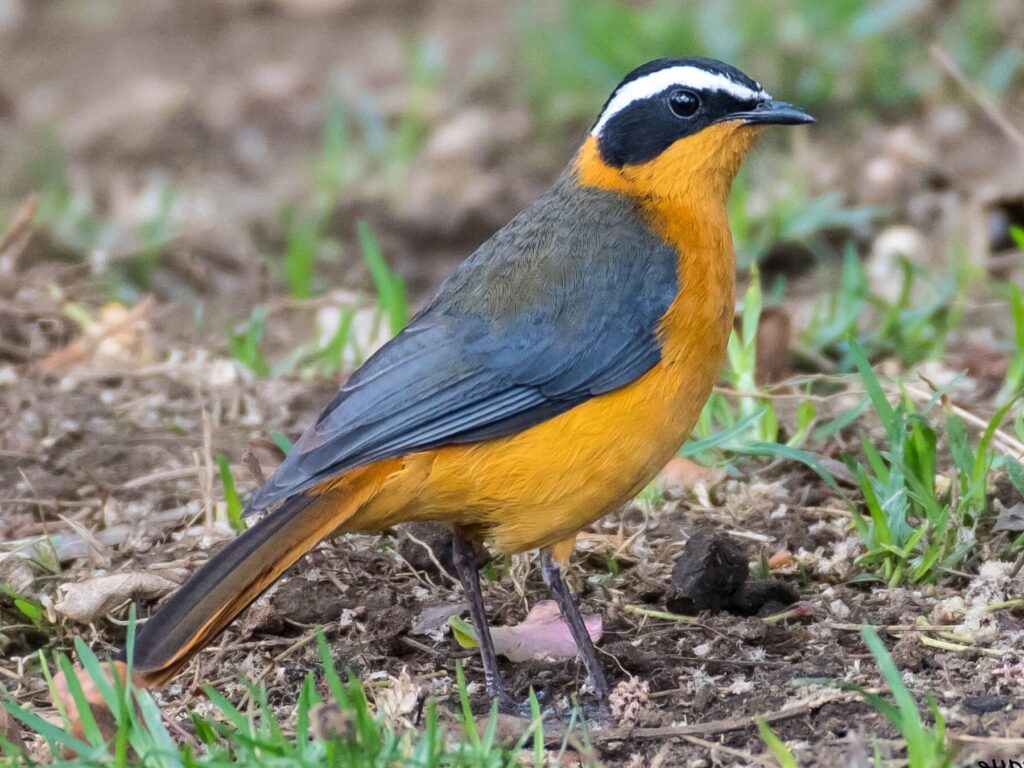
Birdlife

Moroto's mountain and semi-arid habitats support diverse birdlife, making birdwatching a worthwhile addition to hiking and cultural trips.

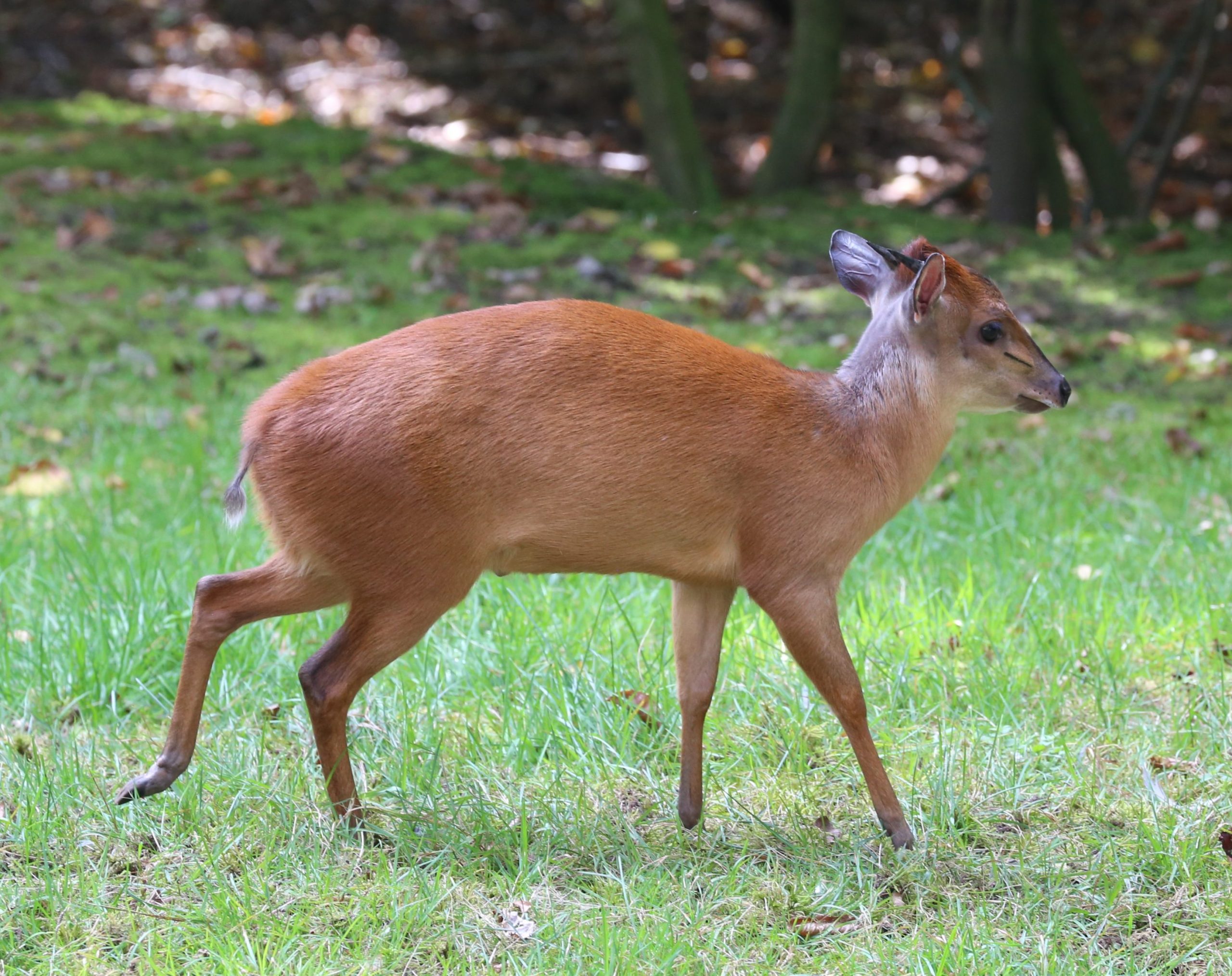
Duiker

Oribi

These antelope occur around Mount Moroto and its surrounding habitats and may be encountered during nature activities.

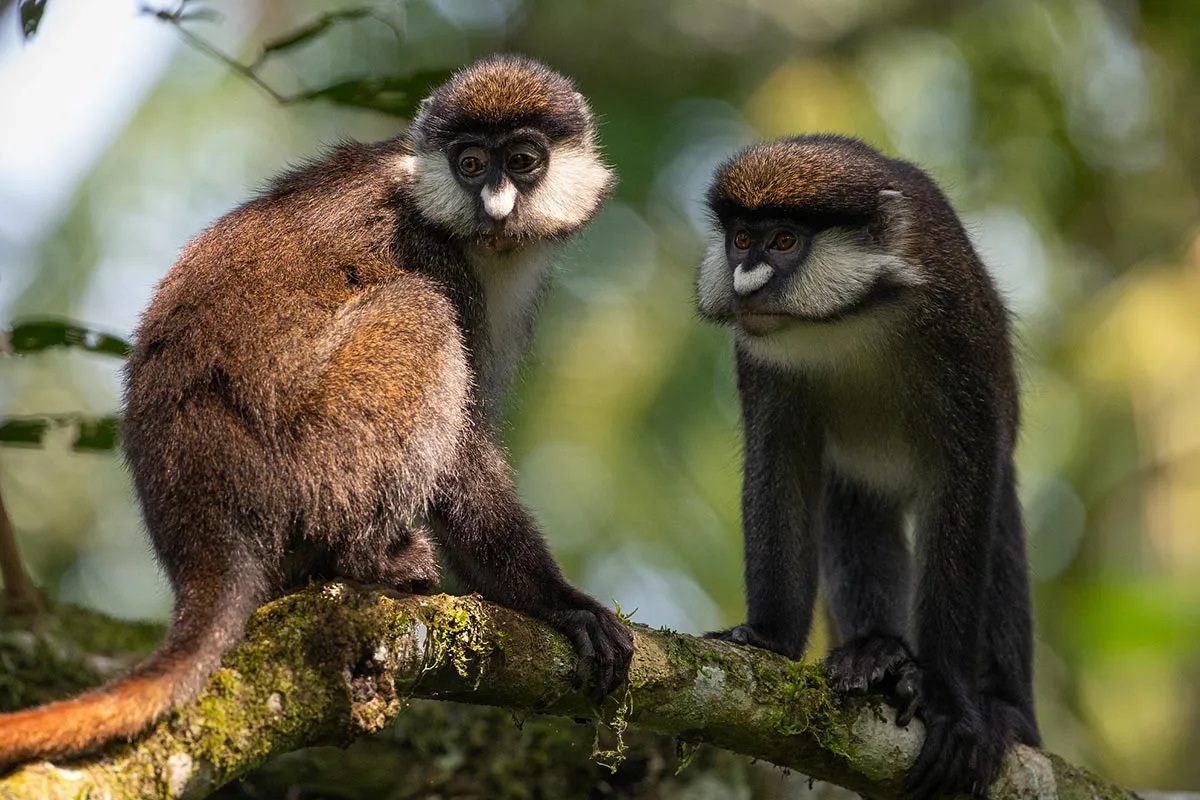
red-taile-dmonkey-uganda0

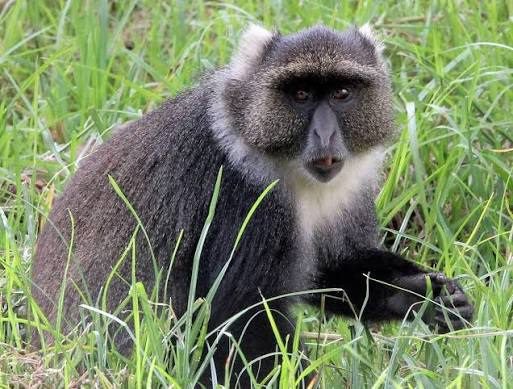
Primates

Mountain forest areas provide habitat for primates, adding wildlife interest to the hiking environment.

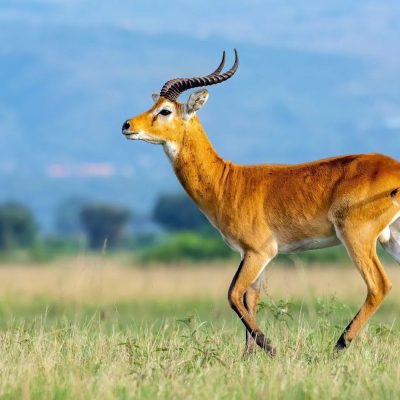
Ugandan-Kob-antelope-africa-uganda

Kudu & Other Antelope

Nearby wildlife reserves support species such as kudu, oribi, topi and other antelope.

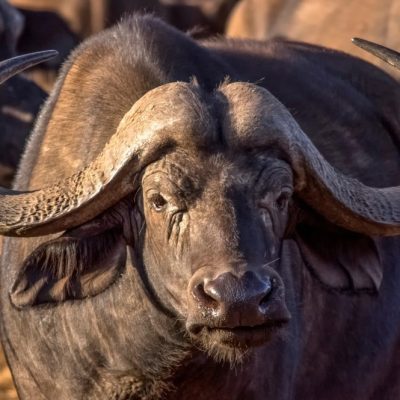
Tsavo-West-National-Park-buffalo-

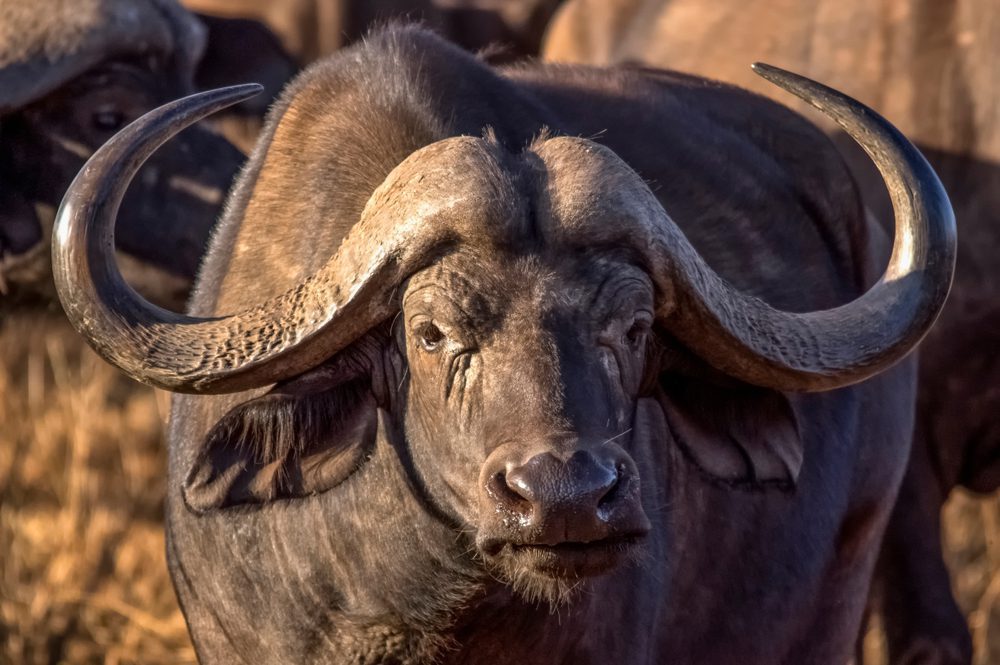
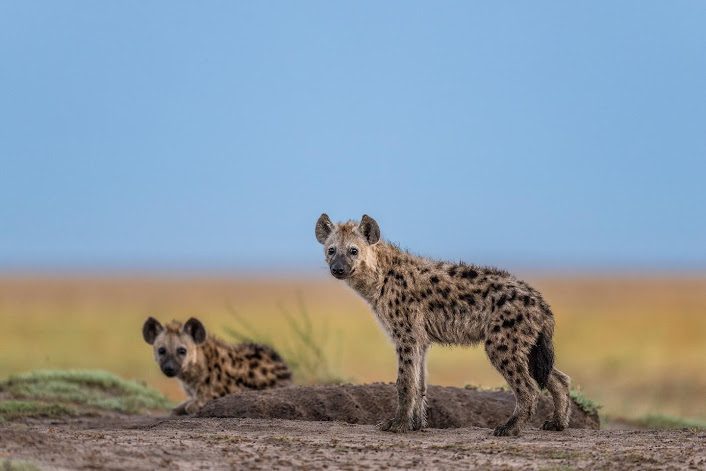
Buffalo & Hyena

The wider Moroto-area reserves provide opportunities for wildlife viewing, although this is not comparable to Uganda's major safari parks.

TOP THINGS TO DO IN Moroto

trekking

Mount Moroto Hiking

Trek through rocky slopes, highland vegetation and dramatic landscapes overlooking Karamoja.

cultural

Karamojong Cultural Experiences

Learn about pastoralist traditions, community life and traditional manyatta homesteads.

robin bird

Birdwatching

Explore mountain and semi-arid habitats for distinctive northeastern Uganda birdlife.

museum

Karamoja Museum

Discover regional cultural and historical collections at the foot of Mount Moroto.

village

Community Visits

Experience local crafts, traditions and everyday life through responsible community tourism.

WILDLIFE SAFTY earth

Wildlife Viewing

Explore nearby reserves such as Matheniko, Bokora and Pian-Upe where appropriate.

Explore Moroto

No data was found

Getting There

safari jeep

By Road

Moroto is accessible by road from Kampala through eastern Uganda, with the journey taking much longer than Uganda's central destinations.

airplane-mode

By Air

Charter flights can provide a faster alternative for travellers prioritising time and comfort.

destination

Regional Combination

Moroto works naturally with Kidepo Valley National Park and wider Karamoja for an extended northeastern Uganda itinerary

Where To Stay in Moroto

Pakuba Safari Lodge

Pakuba Safari Lodge is a scenic safari lodge located within Murchison Falls National Park, offering comfortable accommodation, exceptional wildlife viewing opportunities,…

Fort Murchison

Fort Murchison is a charming safari lodge located near Murchison Falls National Park, offering travelers comfortable wilderness accommodation, panoramic savannah views,…

Buffalo Safari Lodge

Buffalo Safari Lodge offers a peaceful safari retreat overlooking Queen Elizabeth National Park, combining comfortable accommodation, panoramic wildlife views, excellent safari…

Queen Elizabeth Bush Lodge

Queen Elizabeth Bush Lodge offers an authentic safari experience on the edge of Uganda’s famous Queen Elizabeth National Park, combining comfortable…

Kibale Guest Cottages

Kibale Guest Cottages offers peaceful cottage-style accommodation near Uganda’s famous Kibale National Park, combining scenic crater lake views, comfortable lodging, warm…

Kibale Forest Camp

Kibale Forest Camp offers an authentic forest safari experience on the edge of Uganda’s famous Kibale National Park, combining comfortable tented…

Gorilla Leisure Lodge

Gorilla Leisure Lodge is best classified under the Standard accommodation category. The lodge offers comfortable mid-range safari accommodation with excellent proximity…

Gorilla Valley Lodge

Gorilla Valley Lodge is a peaceful forest lodge located near Bwindi Impenetrable National Park’s Rushaga sector, offering comfortable accommodation, panoramic jungle…

Engagi Lodge

Engagi Lodge is an elegant forest lodge located on the edge of Uganda’s Bwindi Impenetrable National Park, offering panoramic rainforest views,…

Buhoma Community Haven Lodge

Buhoma Community Haven Lodge is a charming community-owned eco-lodge located near Bwindi Impenetrable National Park, offering affordable accommodation, authentic Ugandan hospitality,…

Pros and Cons of Visiting Moroto

Pros of Visiting Moroto

Distinctive Karamoja culture.
Dramatic Mount Moroto scenery.
Strong hiking opportunities.
Less conventional than mainstream safari destinations.
Excellent photography potential.
Opportunities for community tourism.
Natural combination with Kidepo.

Things to Consider

Long journey from Kampala.
Tourism infrastructure is more limited.
Hiking can be physically demanding.
Conditions can become hot and dry.
Rain can affect trails and roads.
Not the best choice for travellers seeking a classic Big Five safari.

PRACTICAL INFORMATION

international location

Location

Moroto is the main town and tourism base in Uganda's Karamoja region.

money (1)

Currency

Uganda Shilling (UGX) is the local currency.

language

Language

English is widely used, alongside Karamojong and other regional languages.

Accommodation

Accommodation

Moroto has accommodation options, but choice is more limited than in Uganda's established safari destinations.

smartphone (1)

Connectivity

Mobile and internet access can be less reliable outside the main town and developed areas.

SAFETY & HEALTH

tour-guide

Local Guide

Use a knowledgeable local guide for Mount Moroto hikes and unfamiliar routes.

trekking

Hiking

Prepare for heat, steep terrain, rocky trails and changing mountain conditions.

water-bottle

Water

Carry sufficient drinking water, particularly for longer hikes in the semi-arid environment.

healthcare

Health

Discuss malaria prevention and routine travel vaccinations with a qualified health professional before travelling.

insurance

Travel Insurance

Comprehensive insurance is recommended for hiking, remote travel and unexpected medical or travel disruptions.