/
/
/
Lake Kivu

Lake Kivu

Discover Lake Kivu in Rwanda, from scenic shores and boat trips to relaxing lakeside stays, local culture and the best time to visit.

Where Green Hills Meet Blue Waters

Peak Season

June–September — Drier weather, comfortable outdoor conditions and higher visitor demand.

Best Time to Visit

June–September — Drier weather, comfortable outdoor conditions and higher visitor demand.

Famous For

Scenic landscapes, lakeside relaxation, boat experiences and Rwanda's beautiful western countryside.

Home Of

Peaceful lakeside communities, islands, fishing traditions and spectacular views across Lake Kivu.

Why Visit Lake Kivu

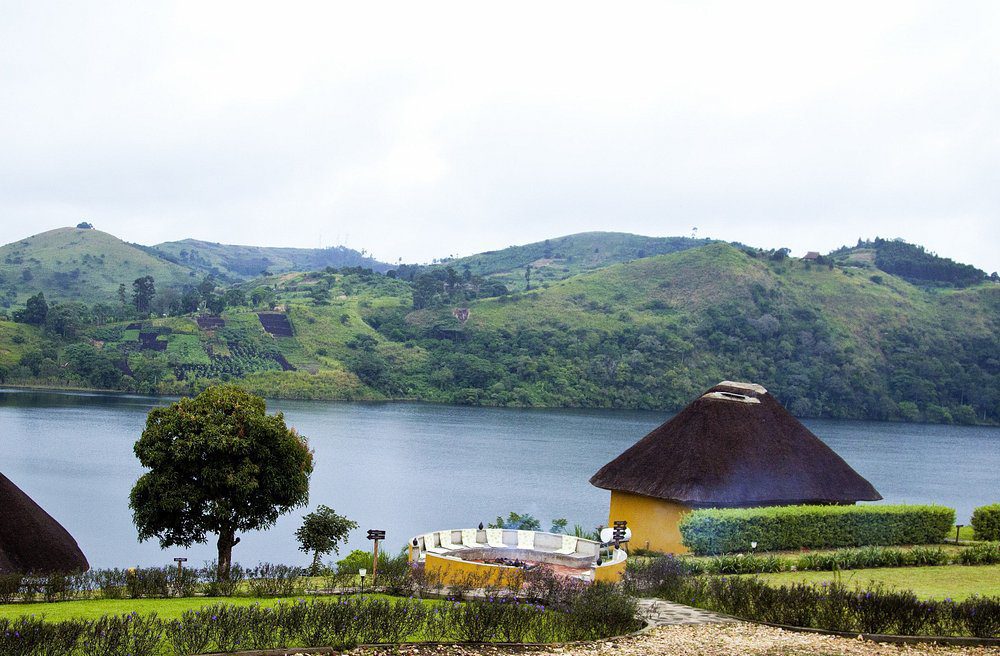
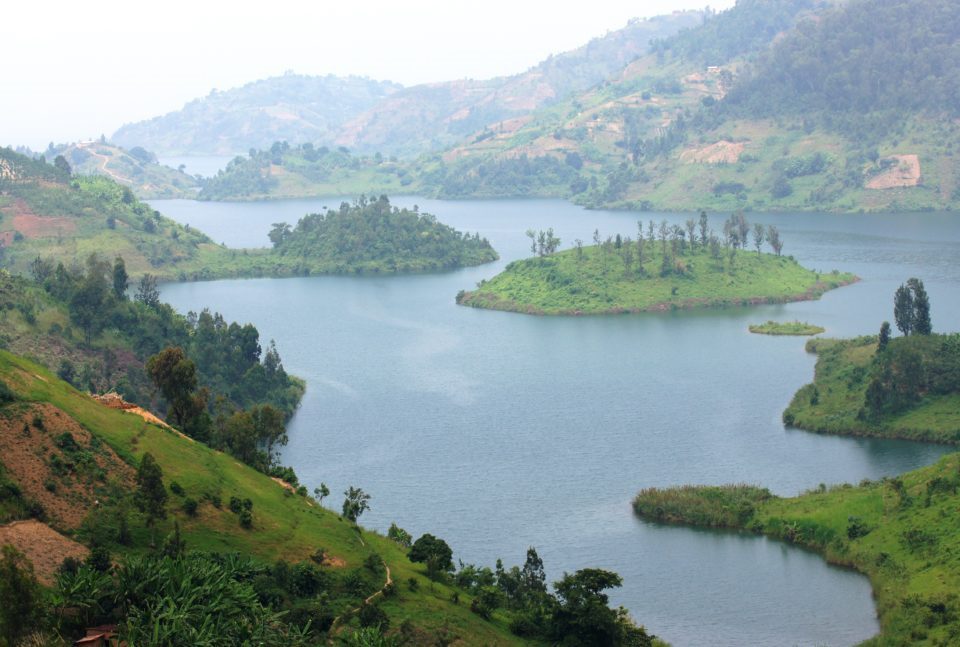
Lake Kivu is one of Rwanda’s most scenic destinations, stretching along the country’s western border with the Democratic Republic of the Congo.

Unlike Rwanda’s primate-focused national parks, Lake Kivu offers a slower, more relaxing side of the country, with beautiful hills, water activities, beaches, islands and lakeside communities.

It works particularly well as a rest stop before or after gorilla trekking, especially for travellers who want to balance an active safari with a few quieter days.

Show

Apollo Musinguzi

Founder & Lead Guide, Big Predators Tours

Over 20 years guiding safari adventures across Uganda, & Rwanda

Lake Kivu works best when you give yourself time to slow down. Rather than treating it as a quick stop, allow at least a little time to enjoy the lake and surrounding scenery.

Best Time to Visit Lake Kivu

Lake Kivu can be visited throughout the year. Your preferred season depends mainly on weather, outdoor activities, photography and how much you value quieter travel periods.

June – September
(Peak Season)

June–September attracts more visitors.
Weather is generally favourable for outdoor activities.
Boat excursions are popular.
Clearer conditions can improve photography.
Advance accommodation planning is advisable.
Best Overall

December – February
(Dry Season)

June–September is generally drier.
Outdoor activities are easier to plan.
Lakeside walks are more comfortable.
Scenic views can be clearer.
Boat activities can be appealing.
Visitor demand can be higher.
Great Option

March – May & October – November (Wet Season)

March–May is generally wetter.
October–November brings another rainy period.
Surrounding hills become especially green.
Rain can interrupt outdoor activities.
Photography benefits from lush scenery.
Lower visitor numbers can appeal to flexible travellers.
Budget Friendly

Wildlife Highlights

Lake Kivu can be visited throughout the year. Your preferred season depends mainly on weather, outdoor activities, photography and how much you value quieter travel periods.
Bird-watching-in-Ruvumbura

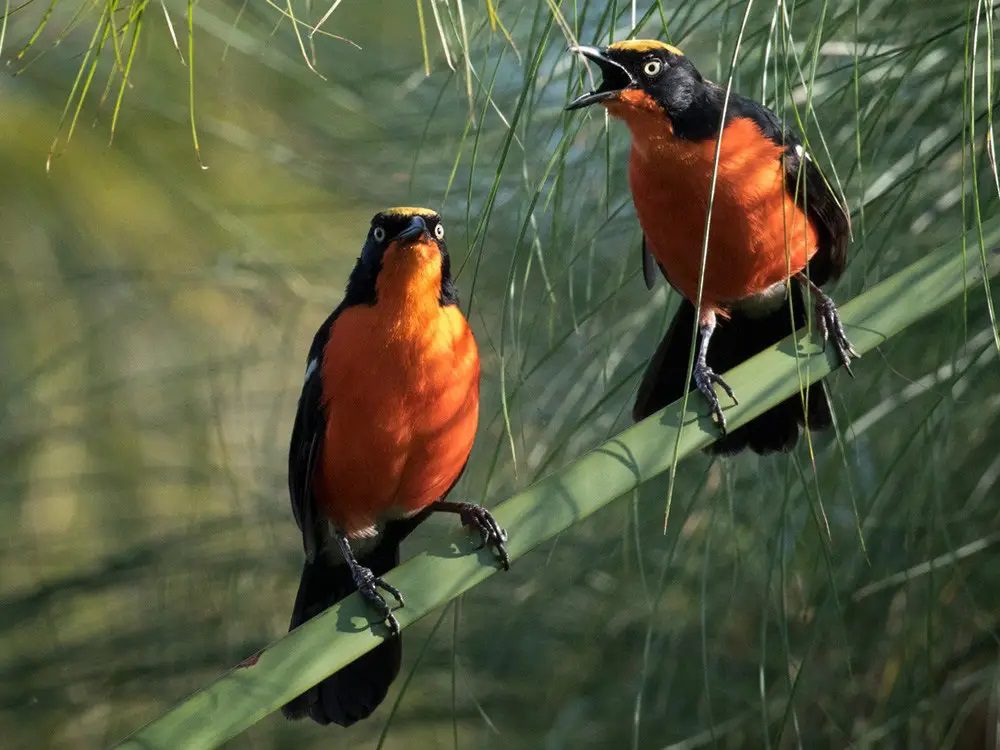
Birdlife

The lake and surrounding hills support various bird species, making casual birdwatching a pleasant addition to a lakeside visit.

fish in Lake Kivu

Fish

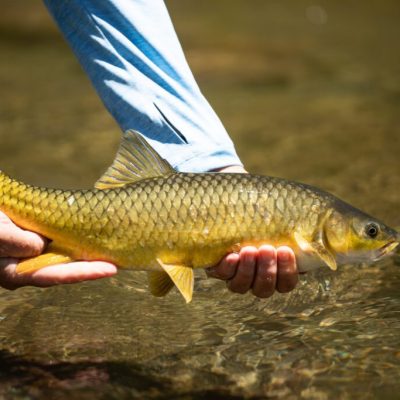
Lake Kivu supports local fishing communities and traditional fishing activities, providing an insight into life around the lake.

Lake-Kivu-rwanda

Lake & Wetland Species

The surrounding environment supports smaller wildlife and aquatic ecosystems, although Lake Kivu should not be chosen primarily for game viewing.

TOP THINGS TO DO IN Lake Kivu

sailing

Boat Trips

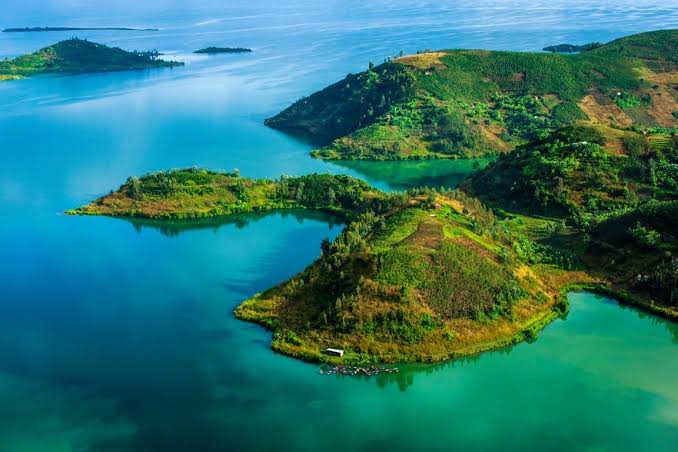
Explore the lake's shoreline, islands and scenic surroundings from the water.

kayaking

Kayaking

Enjoy a more active way to experience Lake Kivu and its peaceful waters.

lake

Lakeside Relaxation

Spend time at the shore after trekking or safari activities.

island

Island Excursions

Visit islands and experience different perspectives of the lake.

cycling

Cycling

Explore sections of Rwanda's scenic western countryside by bicycle.

fishing

Local Fishing Experiences

Learn about traditional fishing and communities living around the lake.

route

Lake Kivu–Kigali Road Journey

Combine the lake with Rwanda's scenic countryside and hill landscapes.

Getting There

airplane-mode

By Air

Kigali International Airport is Rwanda's main international gateway, followed by a road transfer to Lake Kivu.

safari jeep

By Road

Lake Kivu is accessible from Kigali by road, with popular lakeside destinations including Gisenyi/Rubavu and Kibuye/Karongi.

volcano

From Volcanoes

Lake Kivu can be combined naturally with Volcanoes National Park, making it useful before or after gorilla trekking.

destination

From Nyungwe

The lake can also form part of a western Rwanda itinerary connecting with Nyungwe National Park.

Pros and Cons of Visiting Lake Kivu

Pros of Visiting Lake Kivu

Beautiful scenery
Excellent place to relax
Good complement to gorilla trekking
Water-based activities
Scenic countryside
Local cultural experiences
Suitable for slower-paced itineraries

Things to Consider

Not a traditional safari destination
Wildlife viewing is limited
Rain can affect outdoor activities
Some areas require longer road transfers
Fewer major attractions than Rwanda's wildlife parks

PRACTICAL INFORMATION

international location

Location

Lake Kivu lies in western Rwanda along the border with the Democratic Republic of the Congo.

money (1)

Currency

Rwandan Franc (RWF); major hotels and tourism businesses may accept cards.

language

Language

Kinyarwanda is widely spoken, with English and French also used in tourism.

Accommodation

Accommodation

Options range from comfortable lakeside hotels to boutique and higher-end properties.

Mobile & Internet:

Connectivity is generally available in developed lakeside areas but can vary around more remote locations.

SAFETY & HEALTH

swimming (1)

Swimming

Use designated and reputable swimming areas and follow local safety guidance.

sailing

Boat Safety

Choose properly operated boats and follow safety instructions during lake excursions.

doctor

Malaria

Discuss appropriate malaria prevention with a qualified travel-health professional before travelling.

health-report

Yellow Fever

Requirements can depend on your travel history and countries visited before Rwanda.

insurance

Travel Insurance

Comprehensive travel insurance is recommended for water activities, road travel and unexpected medical needs.