Where Swahili Culture Meets the Indian Ocean
July–October — Dry, sunny conditions and strong demand for beach holidays.
June–October — Generally dry and comfortable for beaches, sightseeing and outdoor activities.
White-sand beaches, Stone Town, spice farms, Swahili culture and turquoise waters.
Stone Town, Zanzibar's coral beaches, rich marine life and centuries of Indian Ocean heritage.
Zanzibar is an Indian Ocean archipelago best suited to travellers looking for beaches, culture, history and marine experiences after or alongside an East African safari.
The island combines beautiful coastline with the historic streets of Stone Town, spice-growing communities, coral reefs and a distinctive Swahili culture shaped by African, Arab, Indian and European influences.
Zanzibar works particularly well as a safari extension after Kenya or Tanzania, giving travellers time to slow down after several days of game drives.

I recommend adding Zanzibar after your safari rather than treating it simply as another beach destination. The contrast between wildlife-filled days and relaxed island life makes the combination especially rewarding.
- Apollo Musinguzi Contact Us
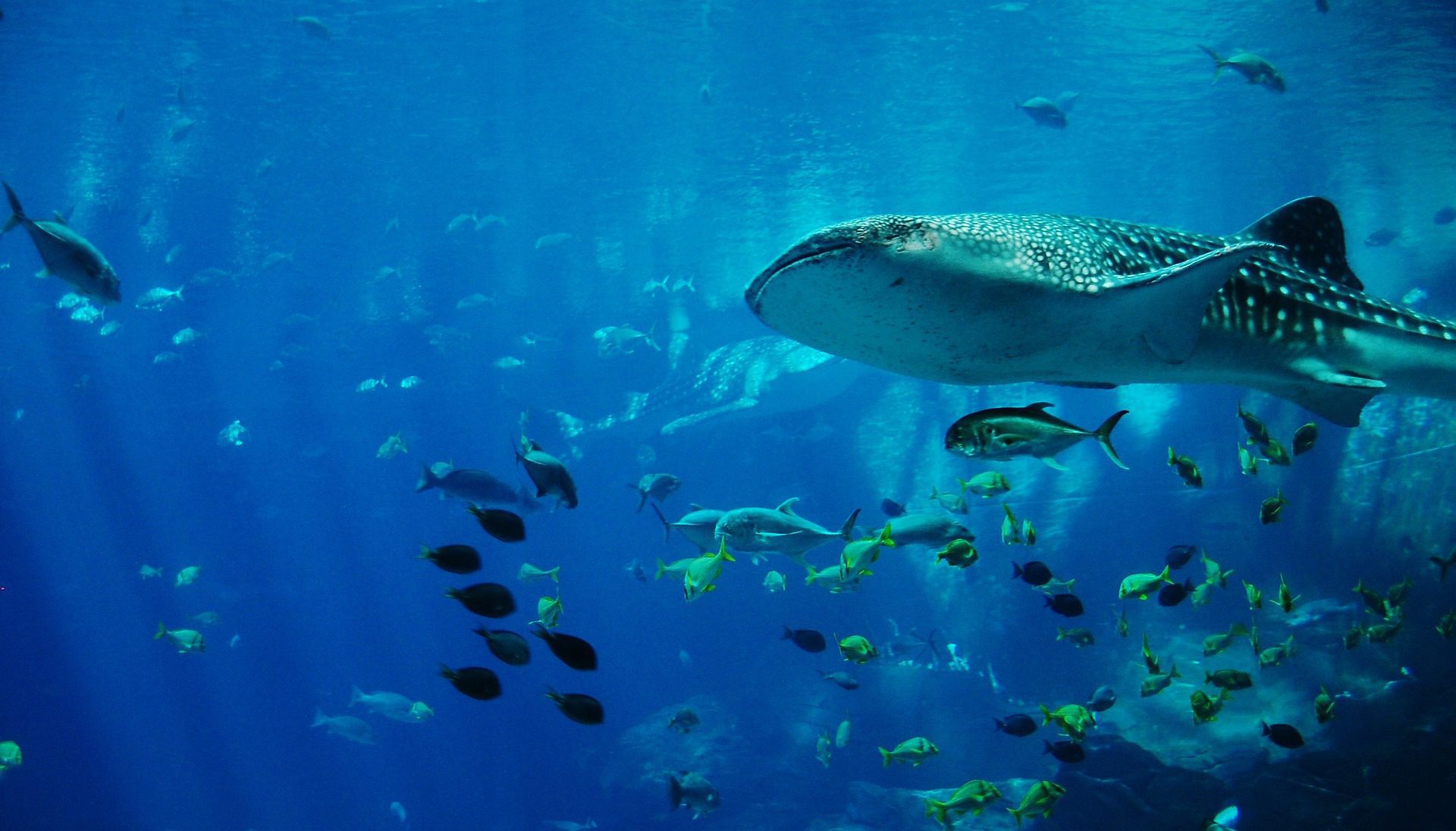
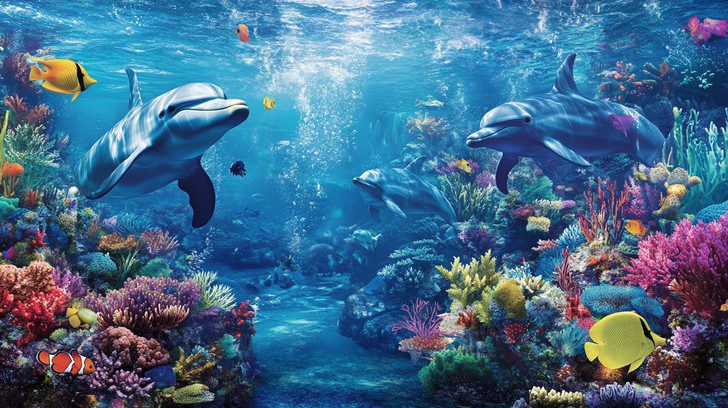
Certain coastal areas offer opportunities for dolphin encounters, although sightings and responsible interaction cannot be guaranteed.
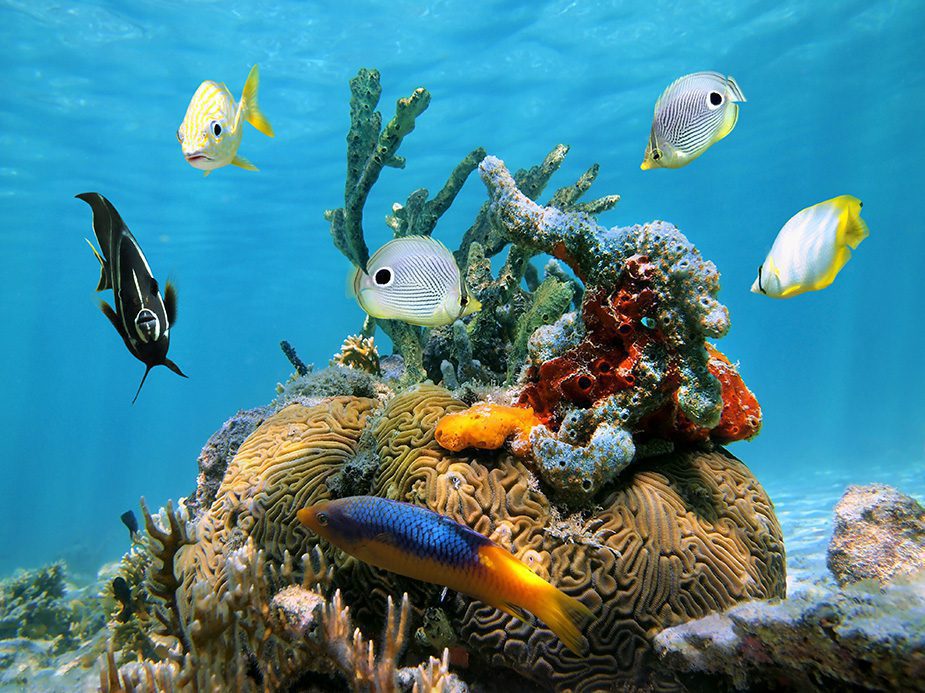
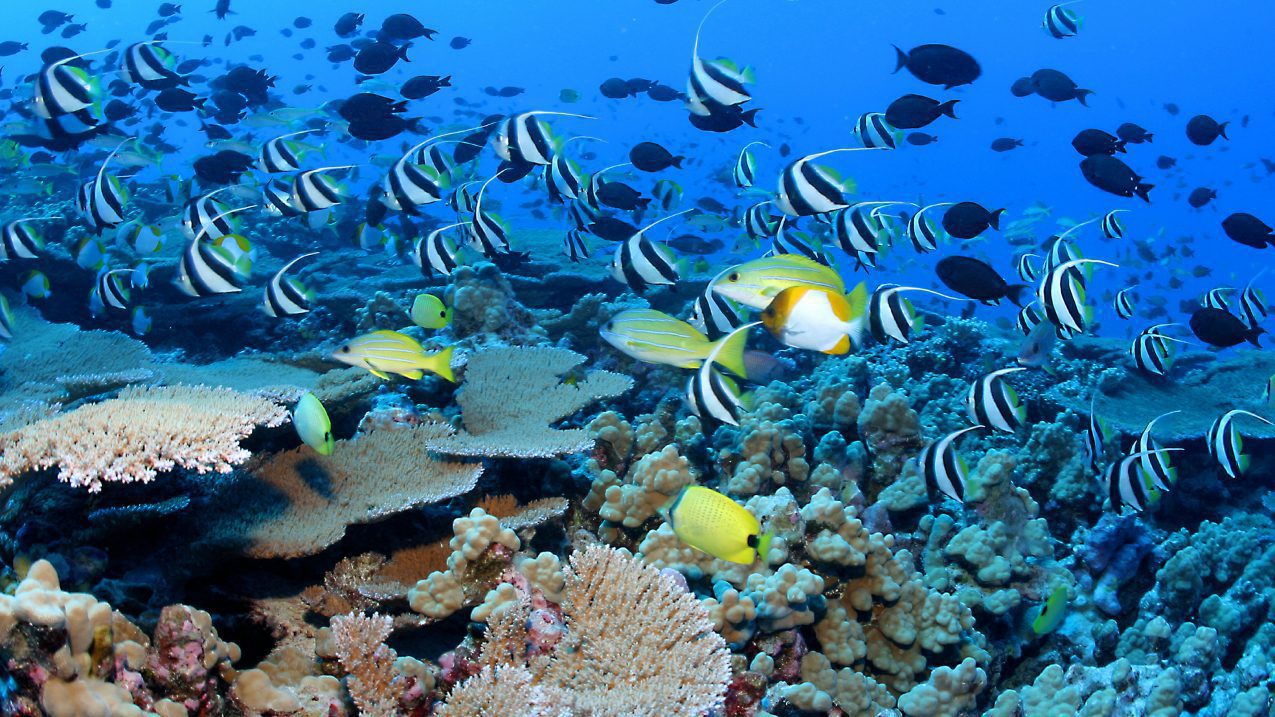
Zanzibar's surrounding waters support colourful reef fish and other marine species, making snorkelling and diving popular.
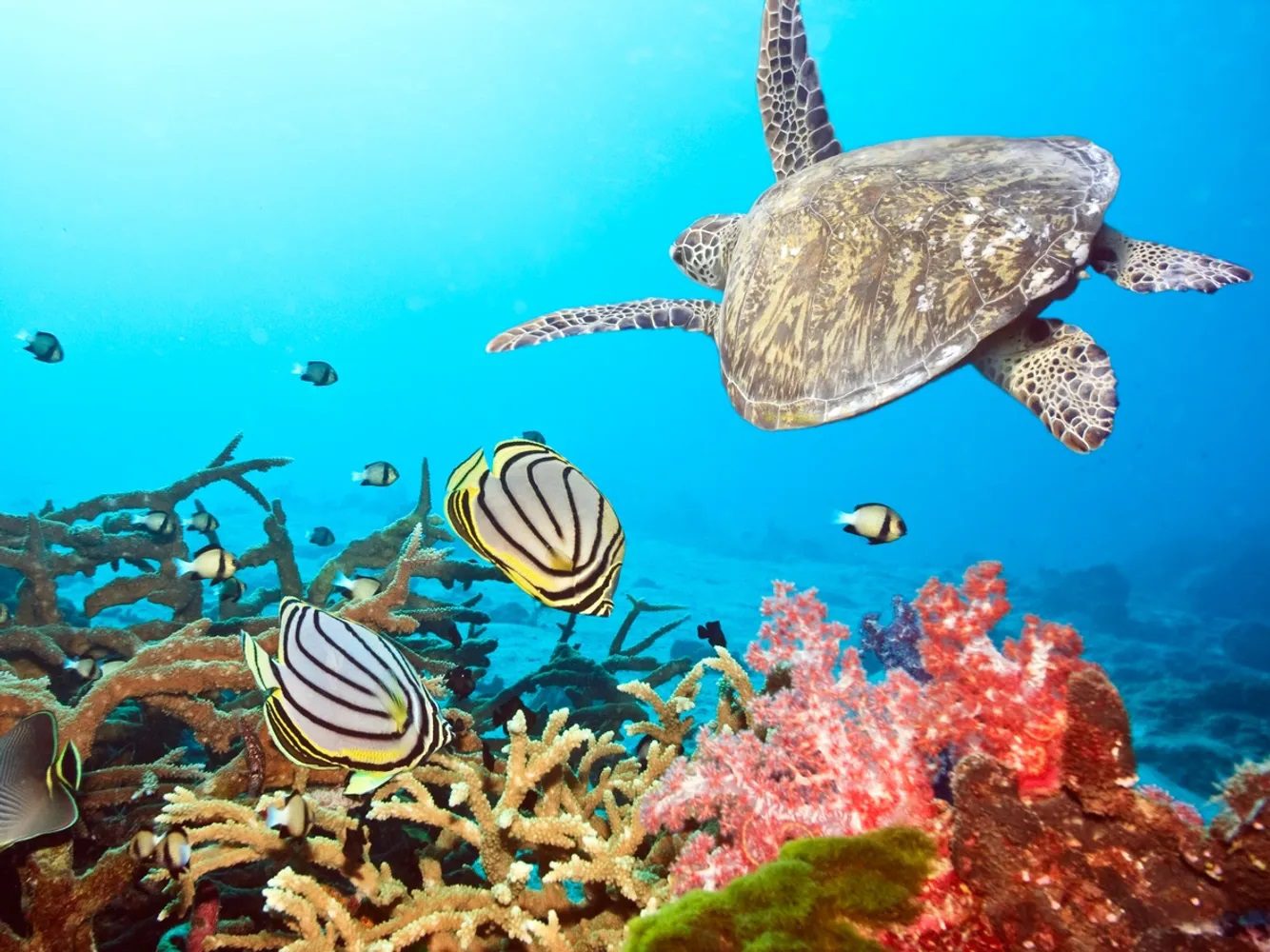
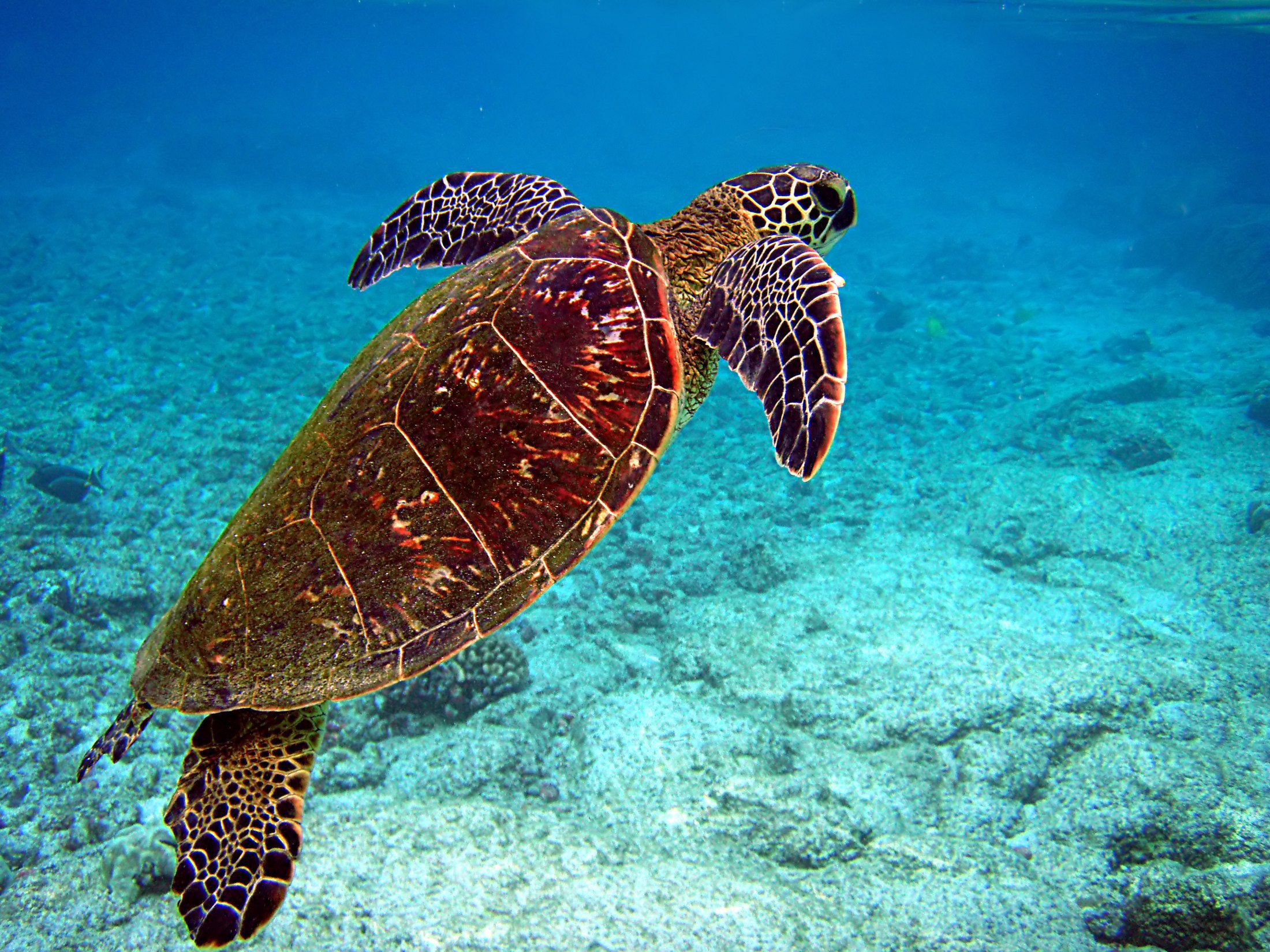
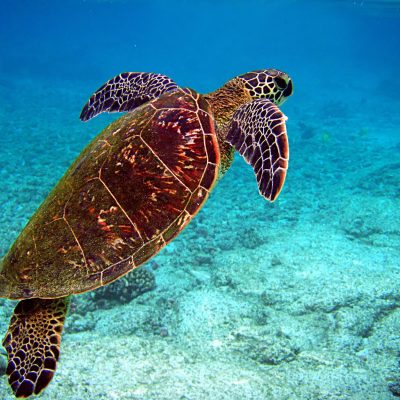
Several coastal areas provide opportunities to learn about and observe sea turtles.
Jozani Forest is known for the Zanzibar red colobus, an endemic primate found on the island.
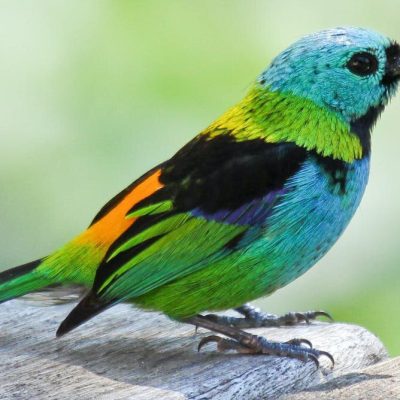
Zanzibar's forests, wetlands and coastal habitats support a variety of resident and migratory birds.
Explore Zanzibar's historic heart, architecture, markets and Swahili heritage.
Relax on Zanzibar's white-sand beaches and turquoise Indian Ocean waters.
Discover the island's long history of spice cultivation.
Explore coral reefs and tropical marine life.
Search for the endemic Zanzibar red colobus monkey.
Experience a traditional sailing vessel and Zanzibar's Indian Ocean heritage.
Visit a historic island and encounter its famous giant tortoises.
Zanzibar's main gateway is Abeid Amani Karume International Airport.
Zanzibar combines easily with mainland destinations such as Serengeti, Ngorongoro and Arusha through flights or ferry connections from Dar es Salaam.
Direct flights can make Zanzibar a practical extension to a Kenyan safari.
Flying through regional hubs is generally the most practical option.
Tanzanian Shilling (TZS) is the local currency; cards are commonly accepted at established hotels and tourism businesses.
Swahili is widely spoken, while English is commonly used throughout the tourism industry.
Zanzibar generally uses Type G electrical sockets; travellers should carry a suitable adapter.
Mobile coverage and internet are generally good in populated areas but can vary at remote beach properties.
Lightweight clothing suits the climate, but modest dress is appropriate when visiting Stone Town and local communities.
Pay attention to tides, currents and local guidance when swimming or participating in water activities.
Discuss suitable malaria prevention with a qualified travel-health professional before travelling to Zanzibar.
Requirements can depend on your nationality, travel history and countries visited before arrival.
Use sensible food and drinking-water precautions, particularly when travelling outside established hotels and restaurants.
Comprehensive insurance is recommended for water activities, medical emergencies and unexpected travel disruptions.