Where Elephants Wander Beneath Ancient Baobabs
June–October — Dry conditions and strong wildlife viewing, especially around water sources.
Large elephant herds, ancient baobabs and seasonal wildlife concentrations.
Tarangire National Park is one of Tanzania’s most distinctive safari destinations, known for its large elephant herds, ancient baobab trees and seasonal wildlife concentrations.
The park forms an important part of Tanzania’s northern safari circuit and offers a different atmosphere from the Serengeti. During the dry season, wildlife gathers around Tarangire’s permanent water sources, creating rewarding game-viewing opportunities.
Tarangire is particularly worthwhile for travellers who appreciate elephants, unusual landscapes, quieter game drives and strong photography opportunities.

Tarangire National Park is one of Tanzania's most distinctive safari destinations, known for its large elephant herds, ancient baobab trees and seasonal wildlife concentrations. The park forms an important part of Tanzania's northern safari circuit and offers a different atmosphere from the Serengeti. During the dry season, wildlife gathers around Tarangire's permanent water sources, creating rewarding game-viewing opportunities. Tarangire is particularly worthwhile for travellers who appreciate elephants, unusual landscapes, quieter game drives and strong photography opportunities.
- Apollo Musinguzi Contact Us
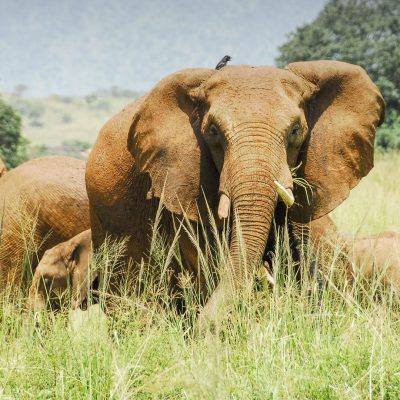
Tarangire is particularly famous for its elephants, which are one of the park's defining safari attractions.
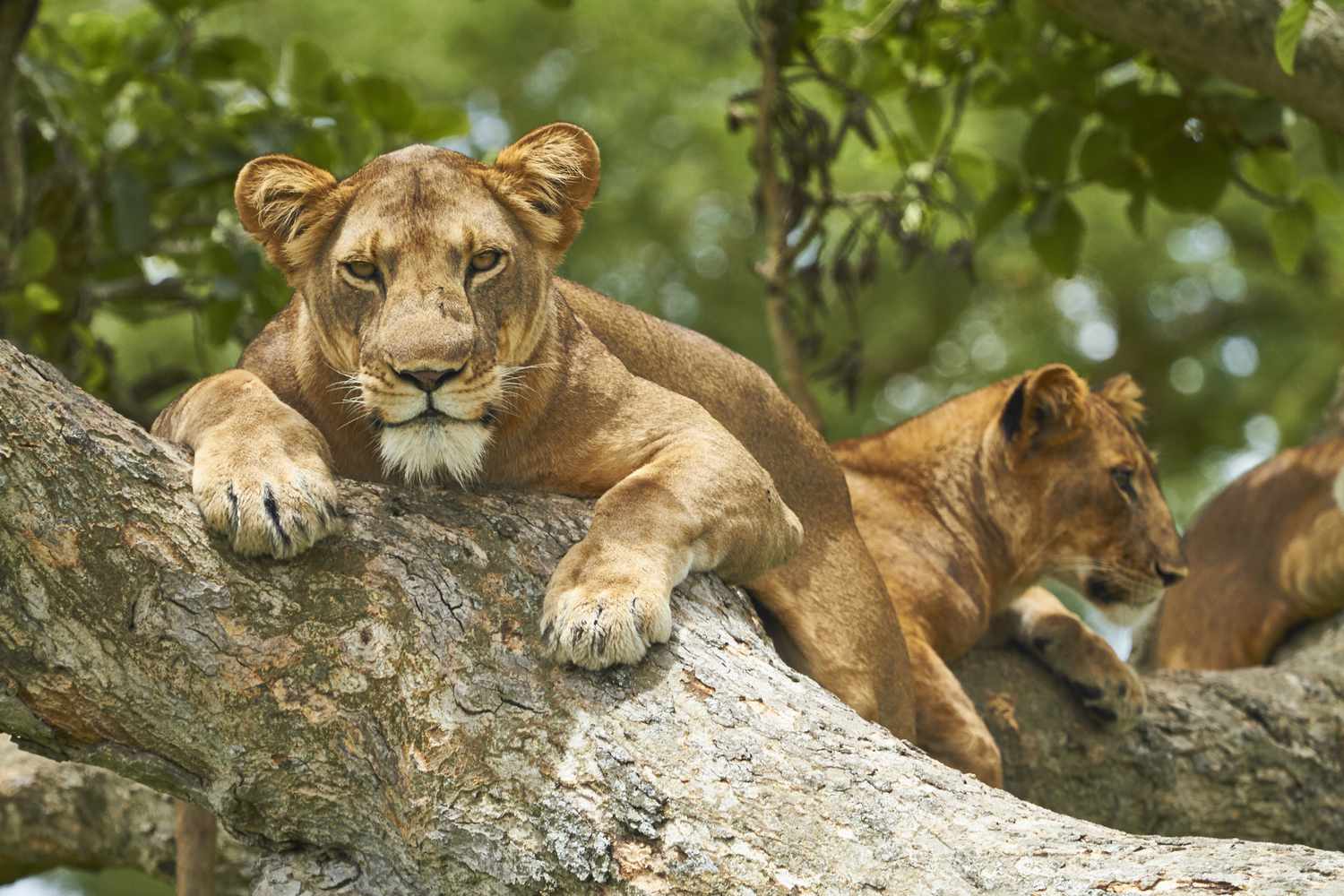
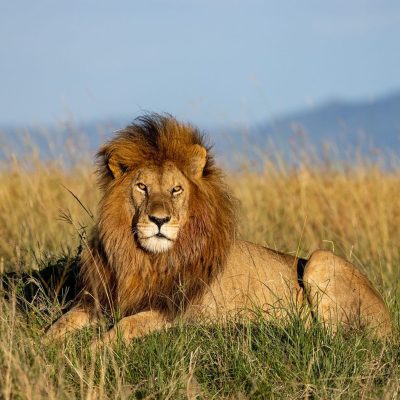
Lions occur throughout the park and can be encountered during game drives, although sightings are never guaranteed.
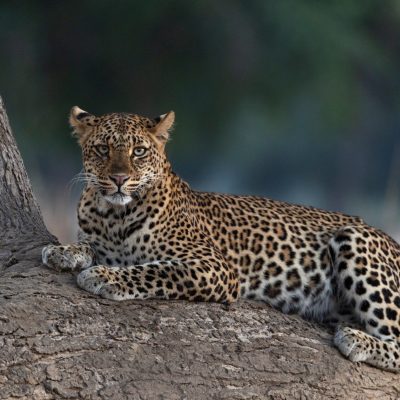
Leopards are present but elusive, making sightings more dependent on patient searching and good guiding.
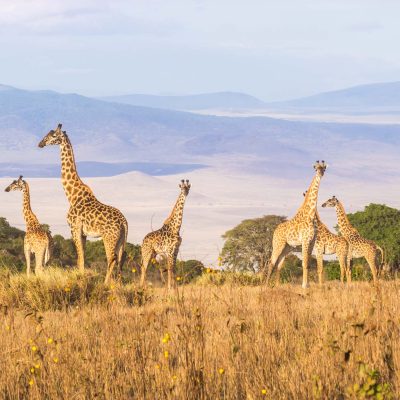
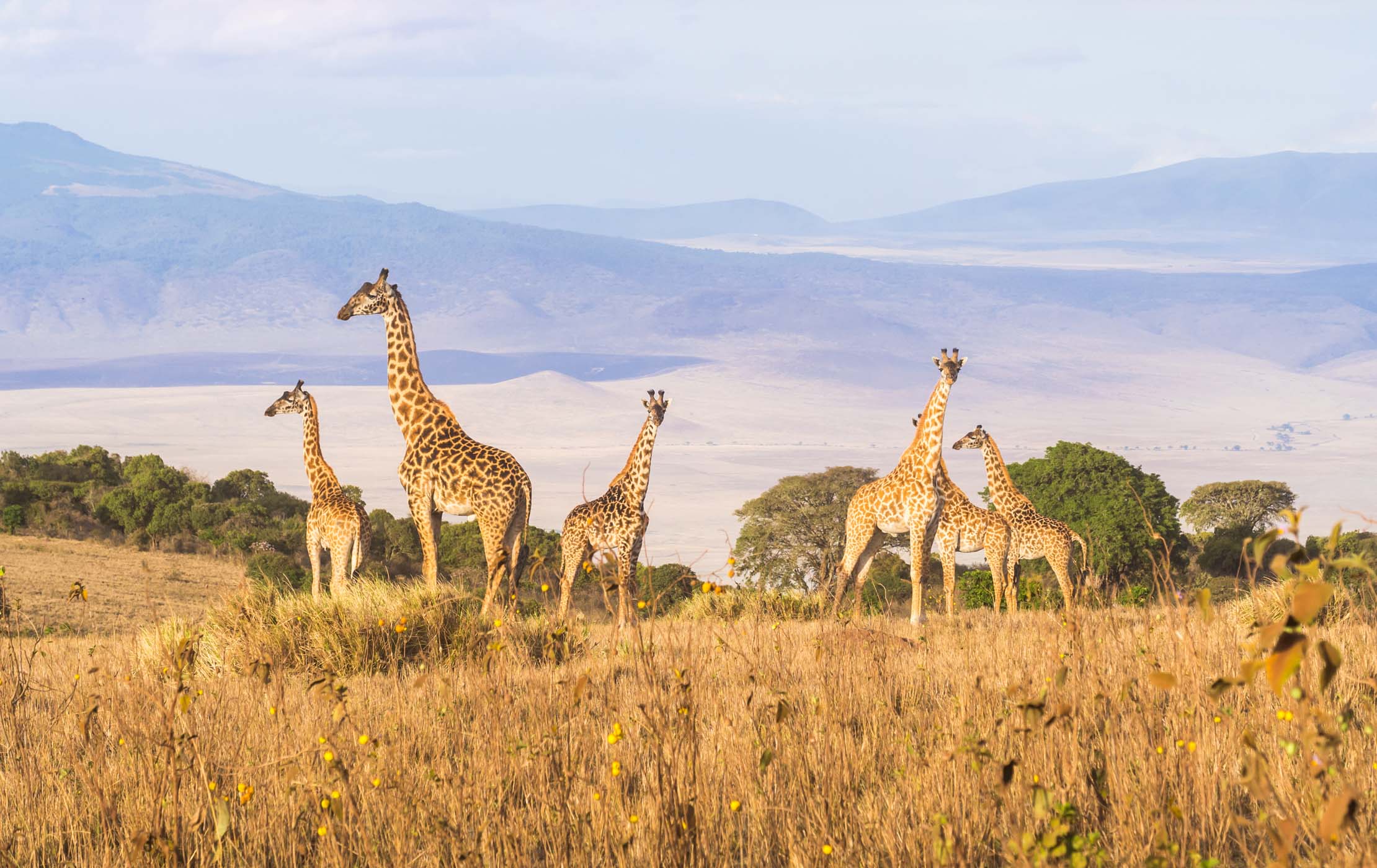
Giraffes are regularly associated with Tarangire's open woodland and savannah landscapes.
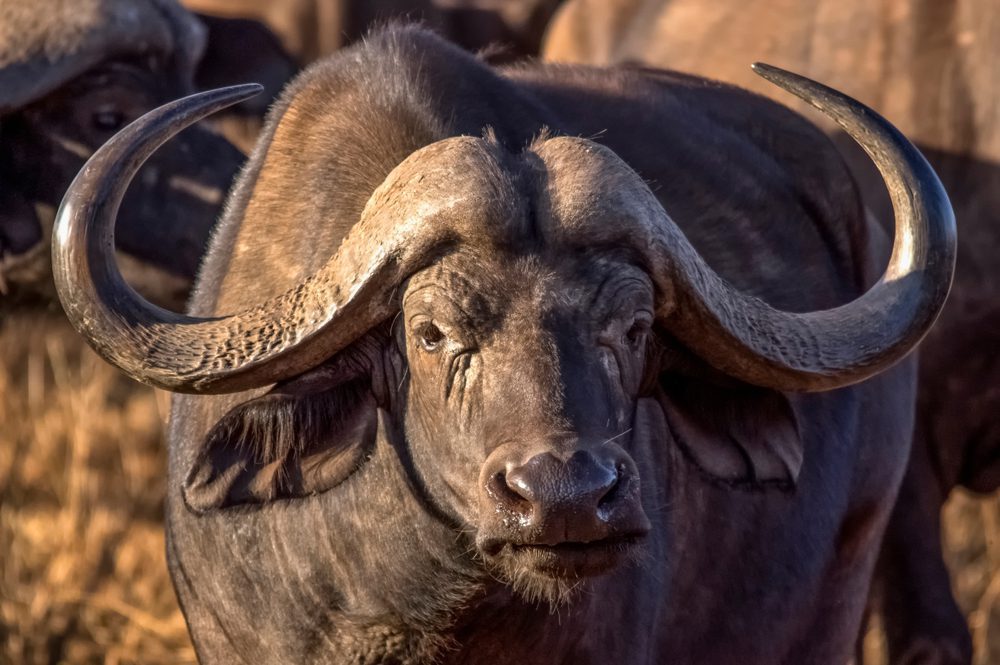
Large buffalo can be encountered in areas where suitable food and water are available.
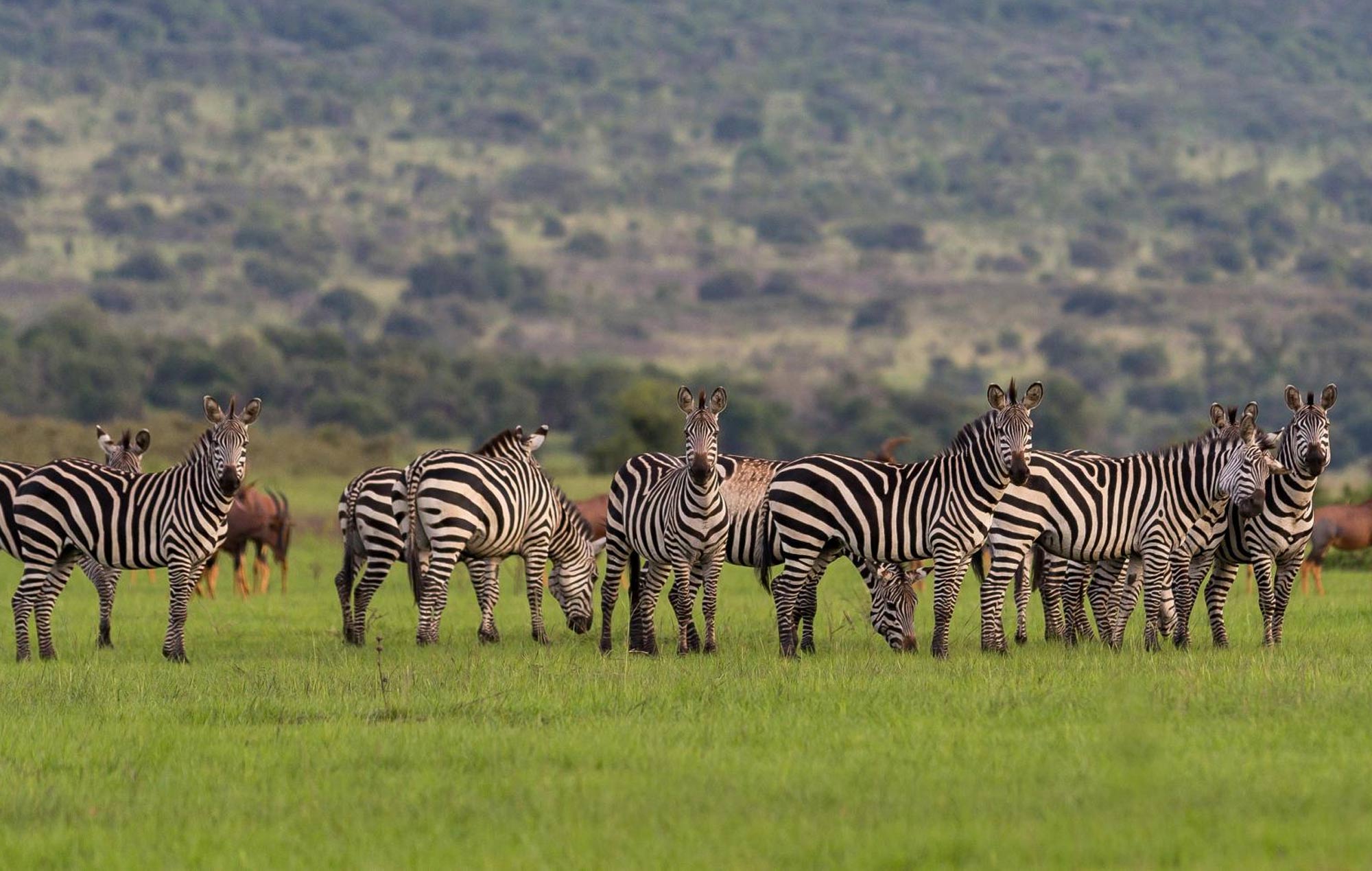
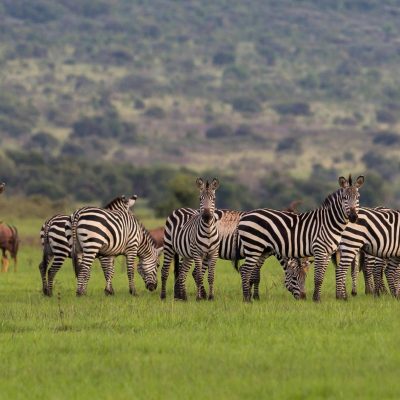
These plains herbivores contribute to Tarangire's seasonal wildlife movements and provide prey for predators.
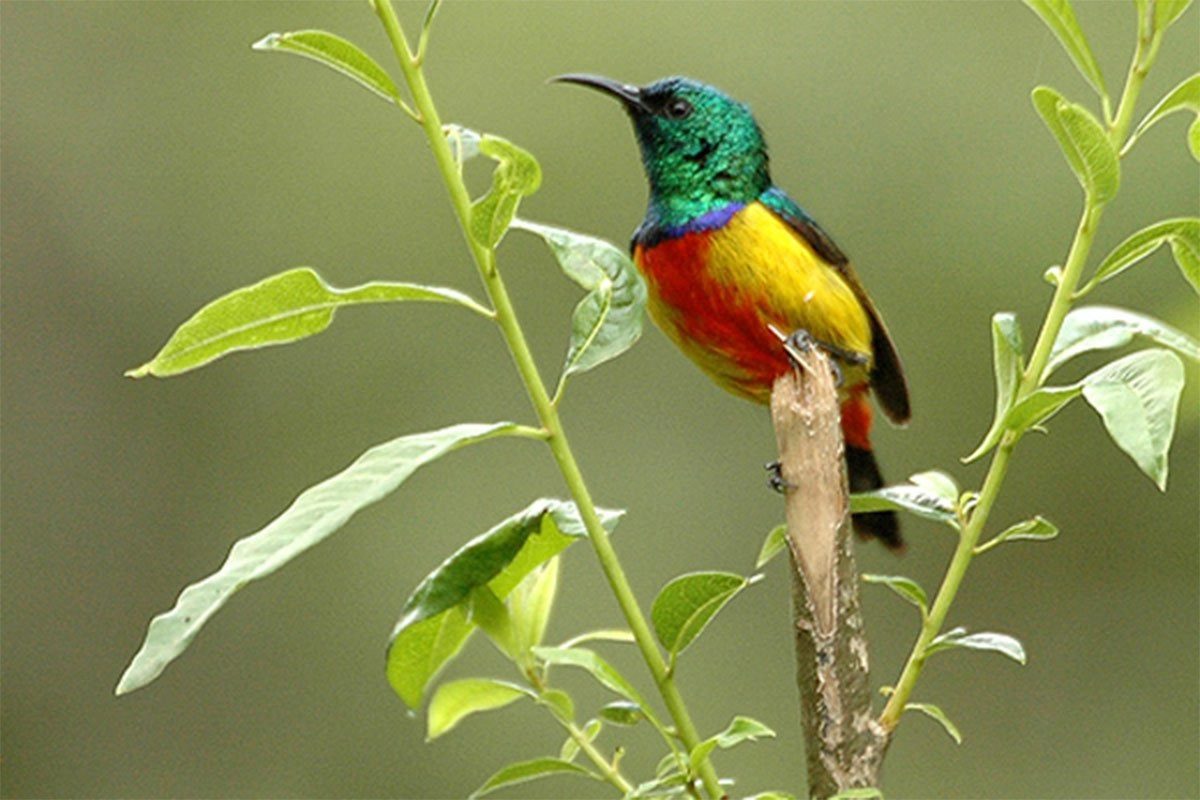
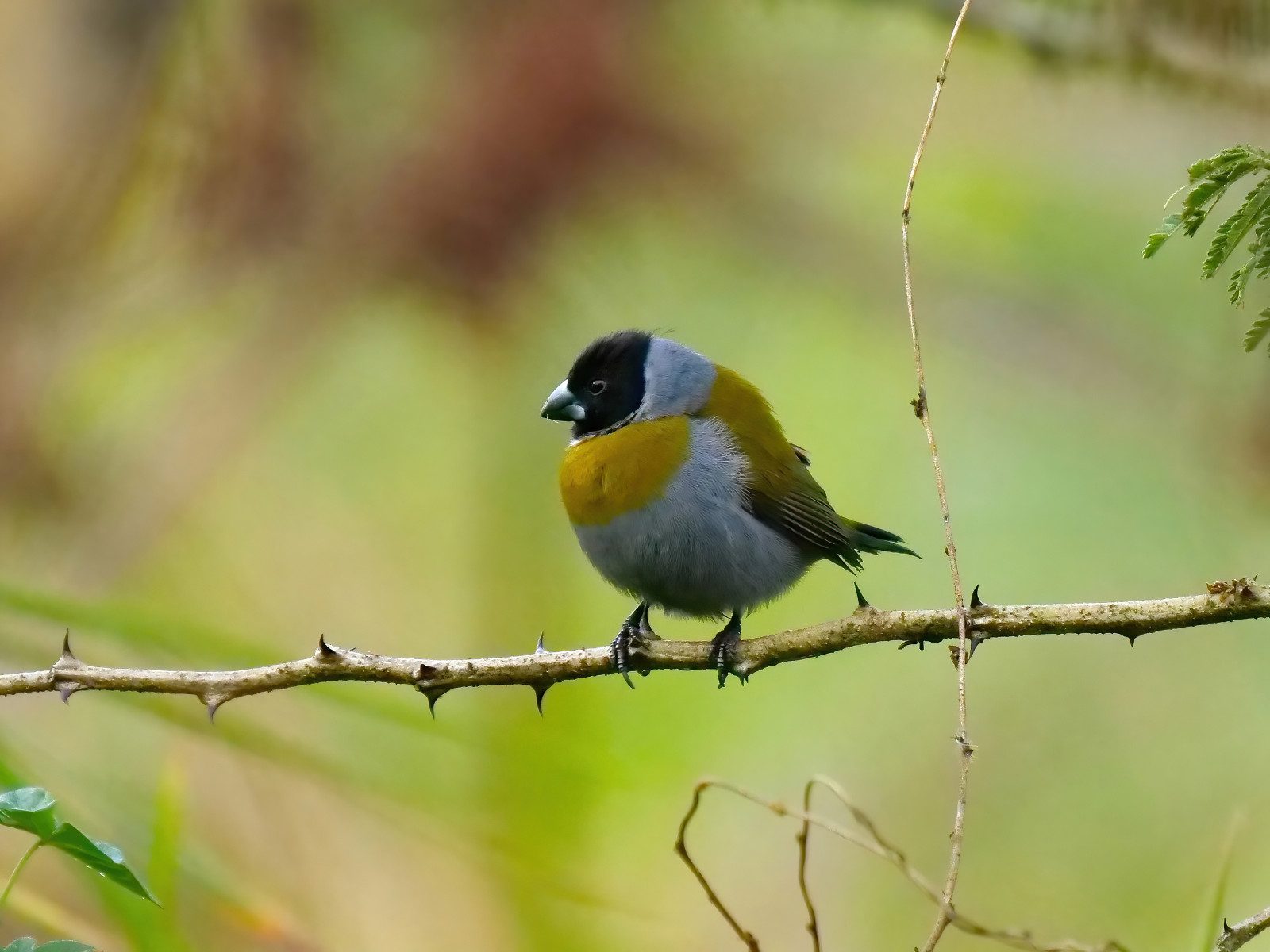
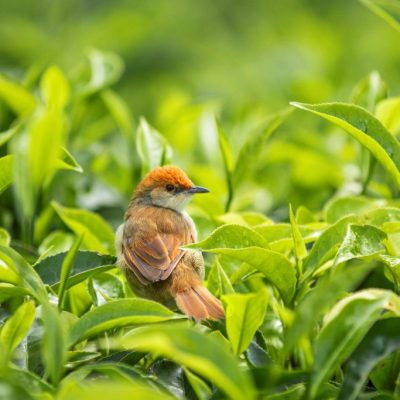
The park supports diverse birdlife, making it particularly appealing to travellers interested in combining wildlife with birdwatching.
Explore Tarangire's savannah, woodland and river areas in search of wildlife.
Spend time observing one of the park's most iconic species.
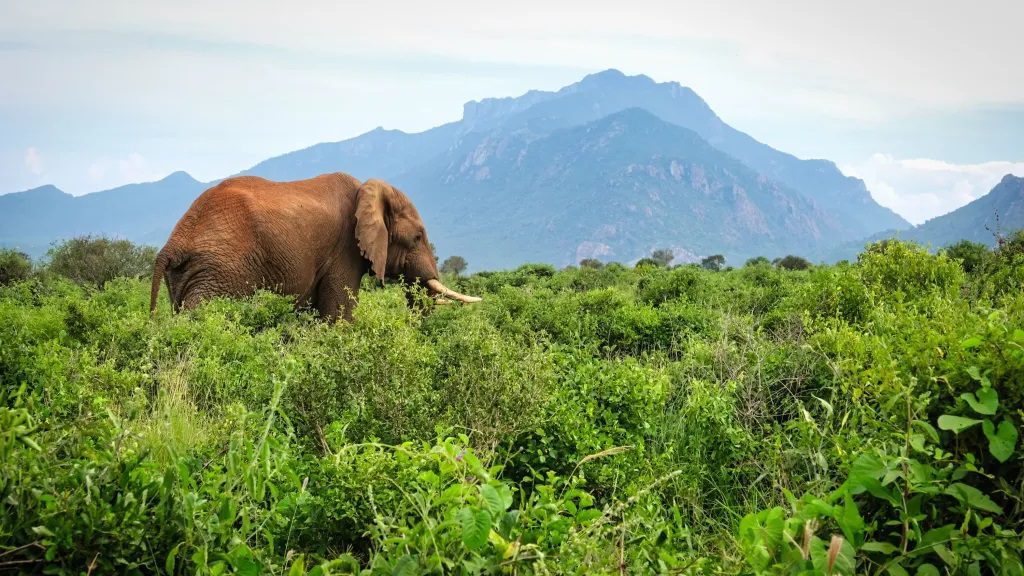
Capture Tarangire's distinctive landscapes and enormous ancient-looking baobab trees.
Search for the park's varied birdlife across different habitats.
Experience the park during the cooler early hours when wildlife activity can be rewarding.
Tarangire can be incorporated into Tanzania's northern safari circuit using regional air connections and nearby airstrips.
Most safari itineraries access Tarangire by road from the Arusha area.
Tarangire can be combined with Serengeti and Ngorongoro as part of a northern Tanzania circuit.
The park fits naturally into itineraries combining Tarangire, Ngorongoro and Serengeti.
Tarangire is in northern Tanzania and forms part of the country's popular northern safari circuit.
Tanzanian Shilling (TZS), with major tourism businesses commonly accepting international payment methods.
Options range from comfortable lodges and tented camps to higher-end safari properties.
Connectivity varies, with coverage less reliable in remote areas of the park.
Game viewing is normally conducted using 4x4 safari vehicles with professional guides.
Stay inside your safari vehicle unless your guide confirms that leaving it is safe.
Follow your professional guide's instructions around elephants, predators and other wildlife.
Discuss appropriate malaria prevention with a qualified travel-health professional before travelling.
Requirements depend on your travel history and countries visited before entering Tanzania.
Comprehensive travel insurance is recommended for safari activities, medical emergencies and travel disruptions.