Where City Life Meets the Wild
June–September & December–February — Popular periods for combining Kampala with Uganda's safari destinations.
June–September — Generally drier conditions and comfortable weather for exploring the city and continuing to safari.
Ugandan culture, nightlife, markets, history and its role as a gateway to the country's wildlife destinations.
Uganda's political, cultural and commercial centre, with easy connections to national parks across the country.
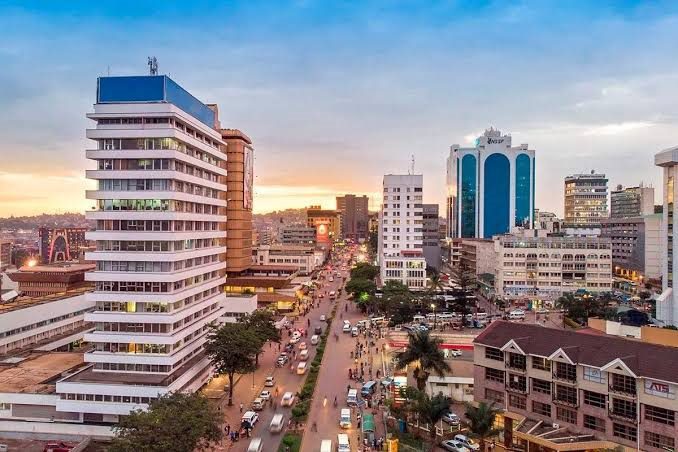
Kampala is Uganda’s energetic capital and the country’s main starting point for many travellers heading into the national parks.
The city offers a mix of Ugandan culture, markets, restaurants, historical sites, nightlife and everyday city life. It is not a safari destination itself, but it provides a useful introduction to Uganda before or after exploring the country’s wilderness.

Use Kampala as part of your Uganda journey rather than simply passing through. A short city experience can give you useful cultural context before heading into the parks.
- Apollo Musinguzi
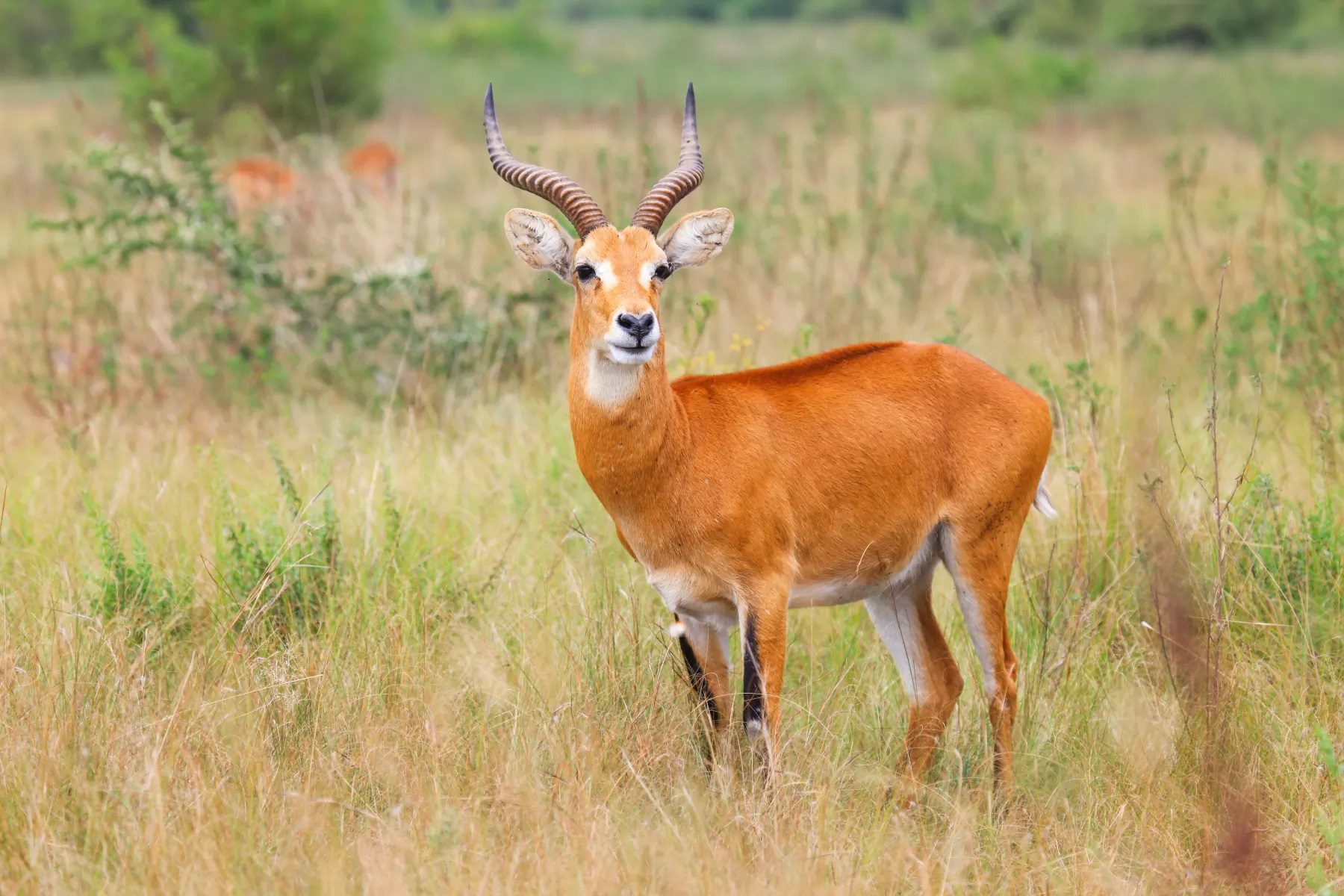
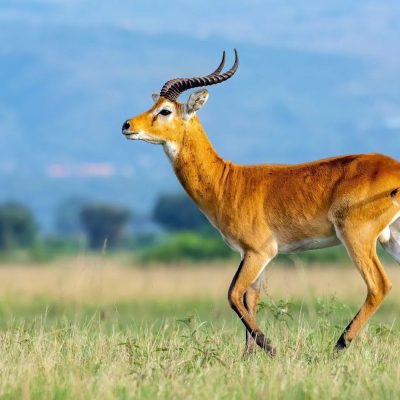
This antelope is associated with Uganda's wider wildlife landscapes, but travellers should visit the national parks rather than Kampala for meaningful wildlife viewing.
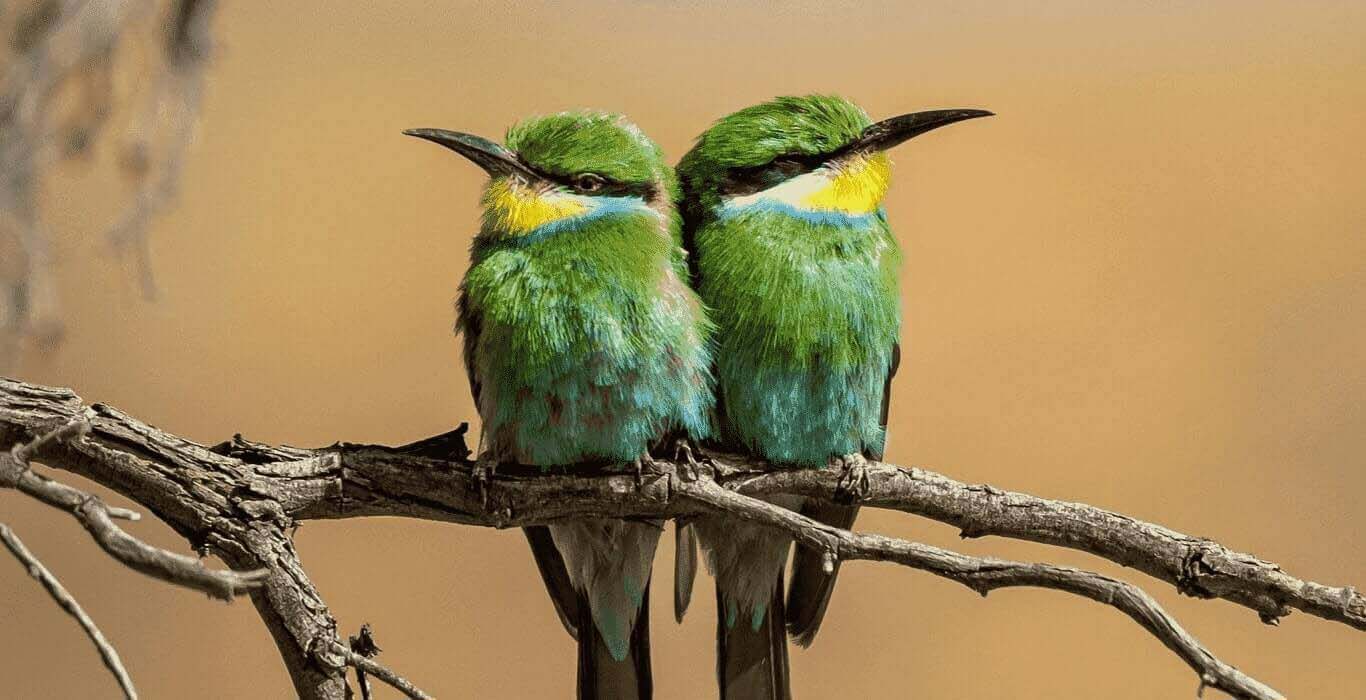
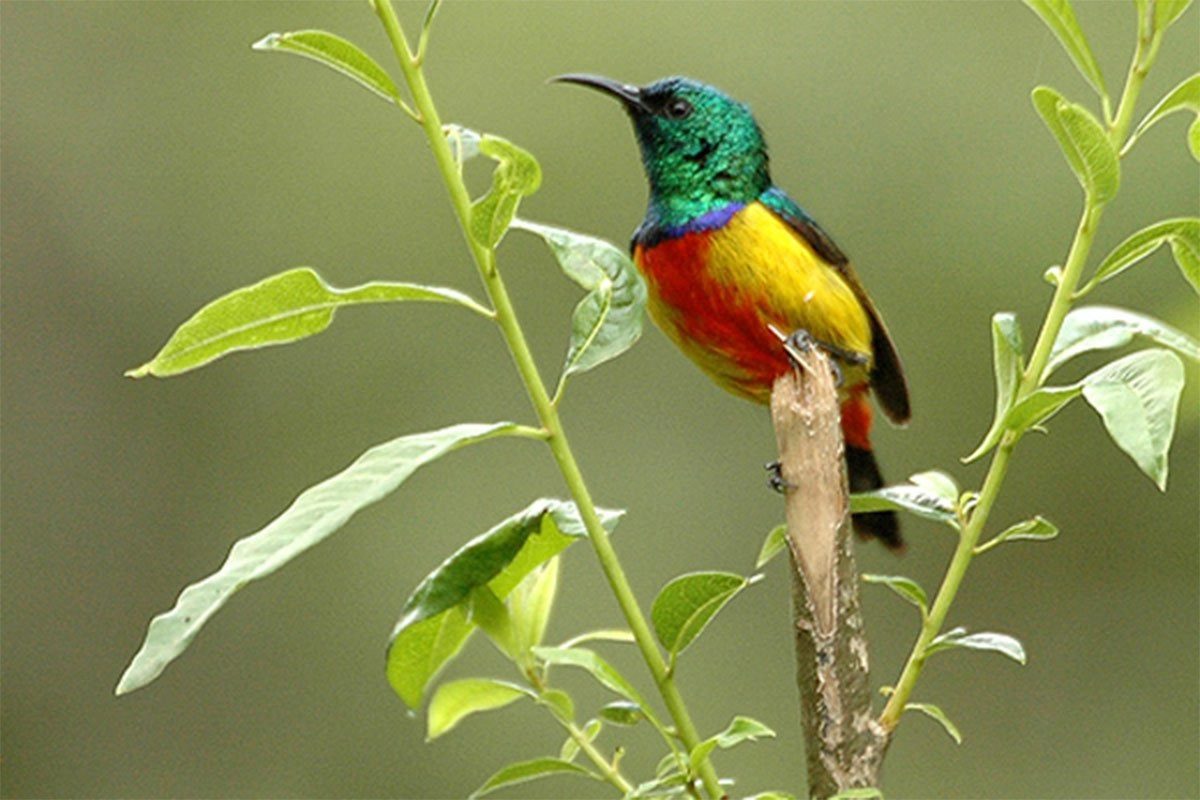
Kampala and its surrounding wetlands support urban and wetland birdlife, making casual birdwatching possible within the city.
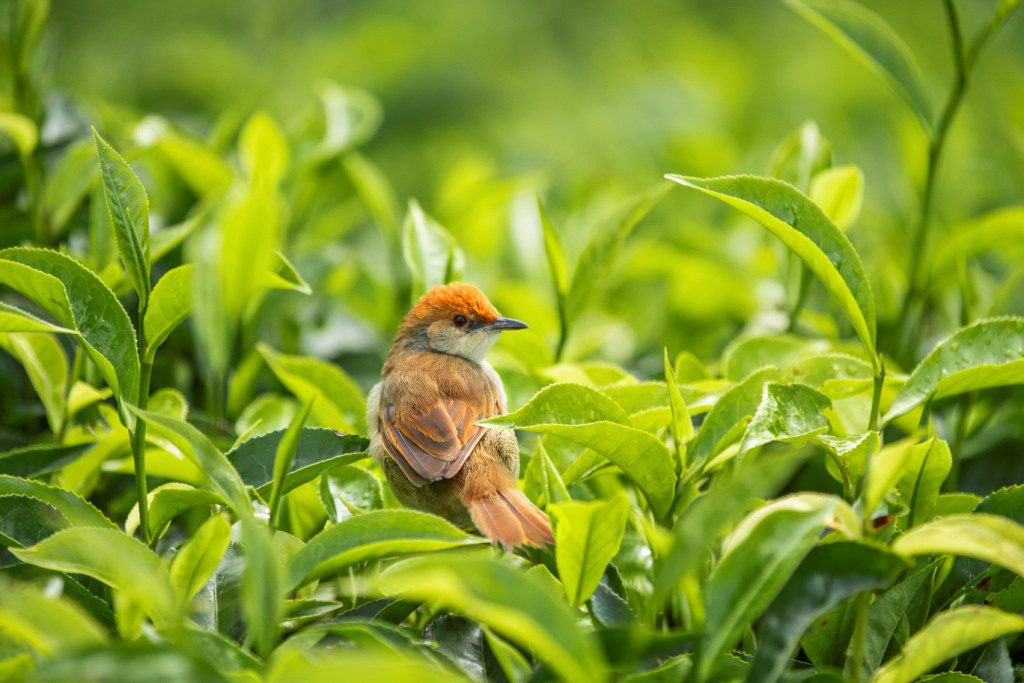
Green spaces around Kampala can support smaller wildlife and bird species, although this is very different from a national-park safari.
Discover Uganda's cultural and historical heritage.
Explore an important cultural and historical site associated with the Buganda Kingdom.
Experience local food, crafts, clothing and everyday city life.
Visit one of Kampala's prominent architectural and religious landmarks.
Learn about Ugandan traditions, food and contemporary urban life.
Explore local dishes alongside the city's growing restaurant scene.
Use Kampala as a base for selected attractions around the surrounding region.
International travellers generally arrive through Entebbe International Airport, Uganda's main international gateway.
The two cities are connected by road, with journey time depending heavily on traffic.
Kampala is Uganda's main transport hub, with routes connecting to major safari regions.
Kampala can be incorporated into regional East African itineraries by road or air.
Ugandan Shilling (UGX); cards are accepted at many established hotels and businesses.
English is widely used, while Luganda and other Ugandan languages are common.
Uganda commonly uses Type G electrical sockets; an international adapter is useful.
Mobile connectivity is generally good in Kampala, with stronger coverage than many remote safari areas.
Taxis, ride-hailing services and private vehicles are commonly used, while traffic can make journeys unpredictable.
Use sensible urban precautions, especially around crowded markets and busy transport areas.
Allow extra travel time because Kampala traffic can be heavy, particularly during peak hours.
Keep valuables secure and avoid displaying expensive items unnecessarily in crowded areas.
Discuss appropriate malaria prevention with a qualified travel-health professional before travelling.
Comprehensive travel insurance is recommended for medical emergencies and unexpected travel disruptions.