
Bwindi Impenetrable National Park
The Forest of the Mountain Gorillas
An ancient rainforest where unforgettable gorilla encounters meet extraordinary biodiversity
Home to roughly half of the world's mountain gorilla population
A UNESCO World Heritage Site and Albertine Rift biodiversity hotspot
Buhoma, Ruhija, Rushaga and Nkuringo
Gorilla trekking is possible throughout the year, with changing weather and trail conditions
- Overview
Why Visit Bwindi Impenetrable National Park
Bwindi Impenetrable National Park is not a conventional African safari destination.
There are no endless savannah plains, large herds moving across open grassland, or long game drives where wildlife can be spotted from a vehicle. Bwindi offers something very different: the chance to walk into an ancient mountain rainforest and search for one of the world’s most remarkable great apes — the mountain gorilla.
Located in south-western Uganda on the edge of the Albertine Rift, Bwindi covers about 321 square kilometres and ranges from roughly 1,160 to 2,607 metres above sea level. The forest was gazetted as a national park in 1991 and became a UNESCO World Heritage Site in 1994 because of its exceptional biodiversity.
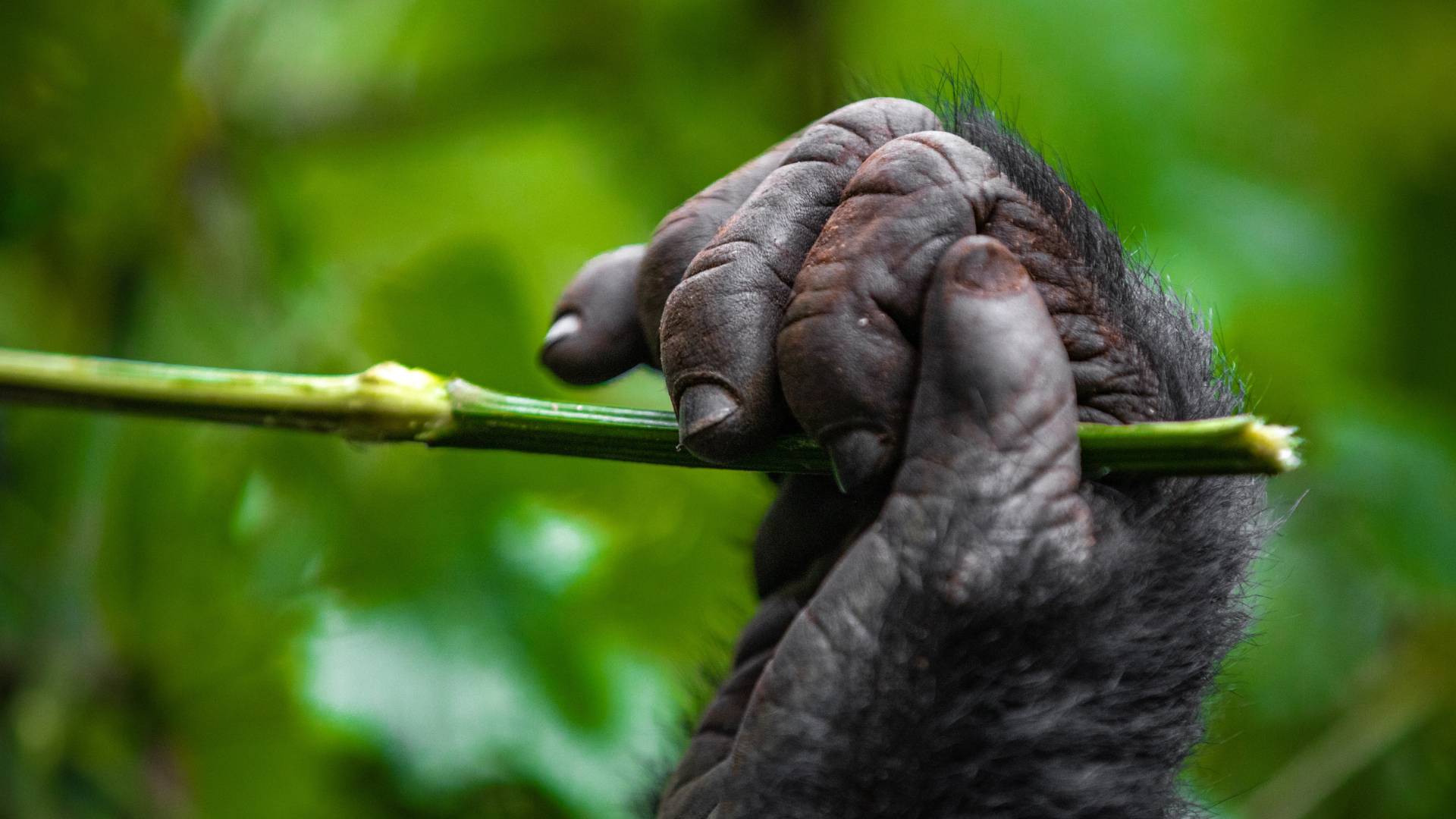
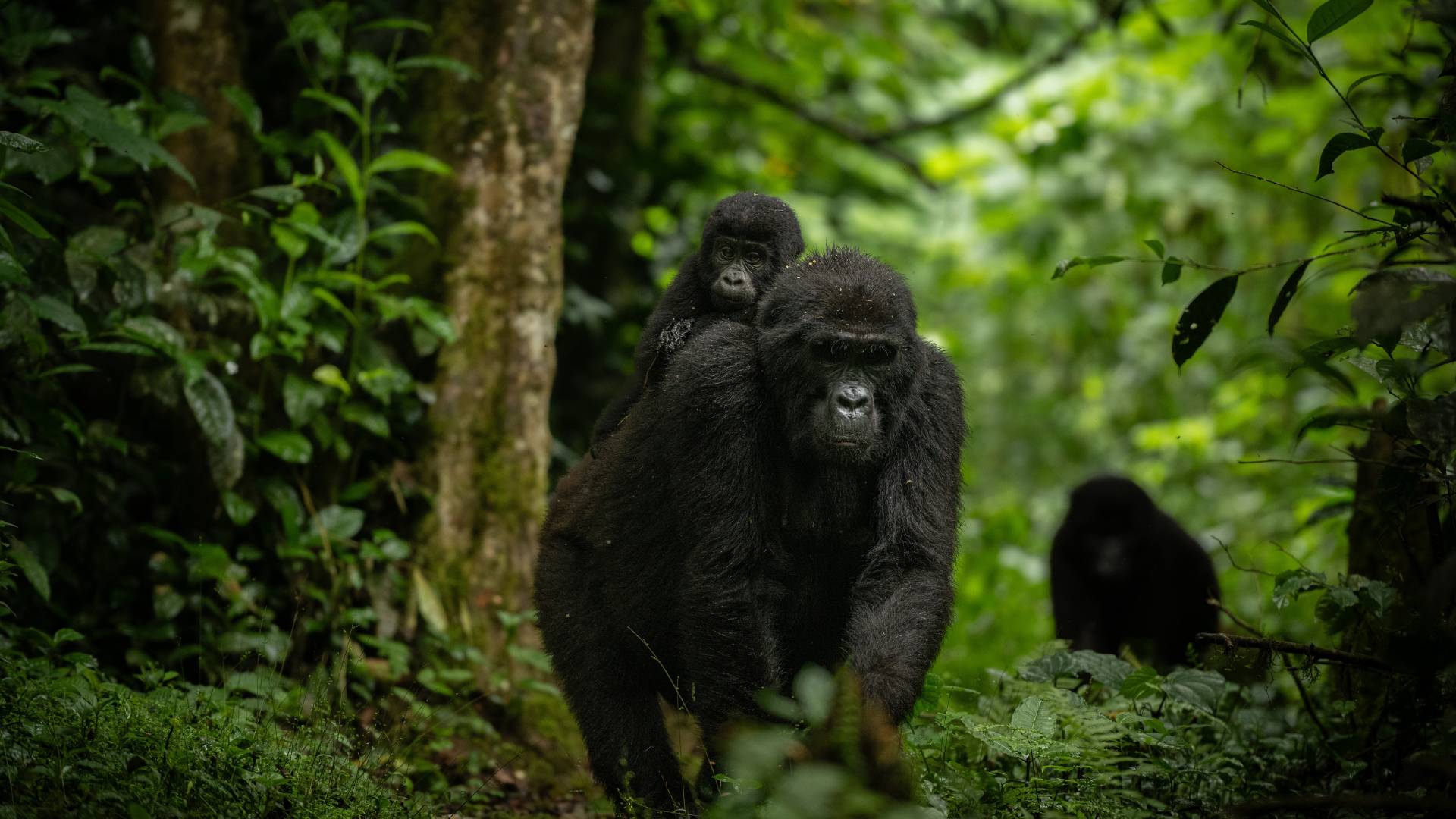
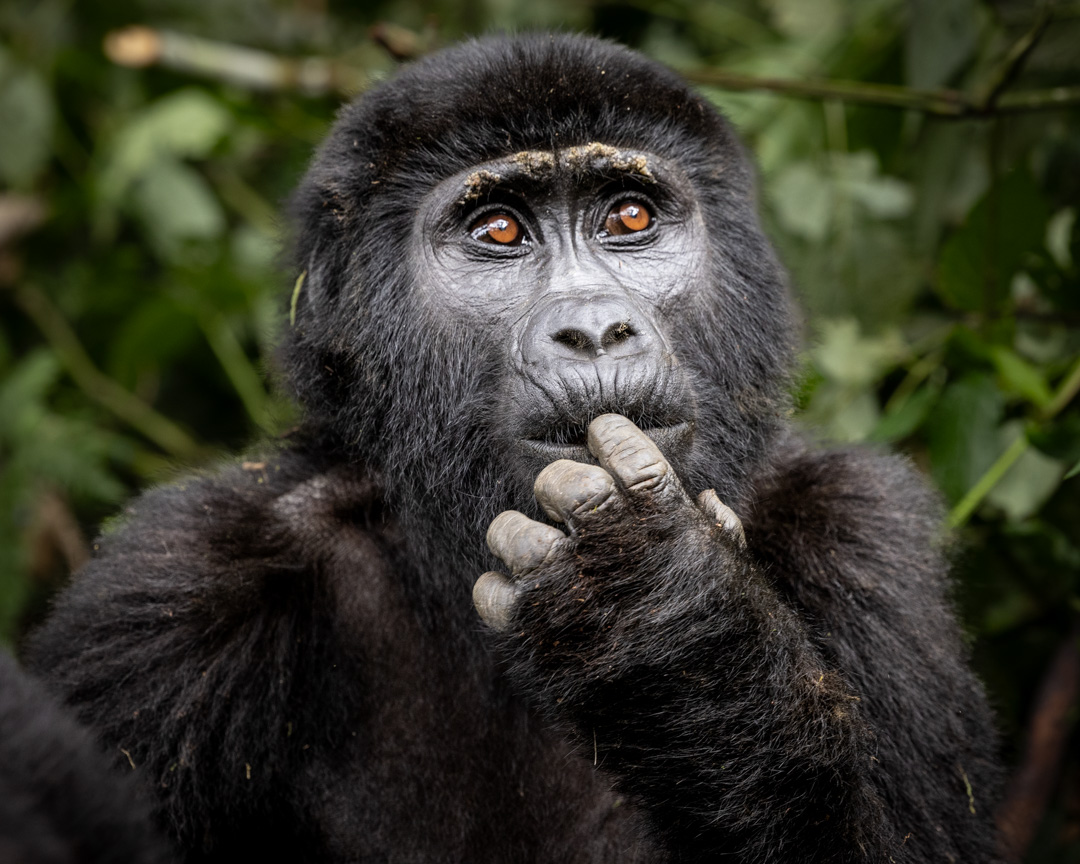
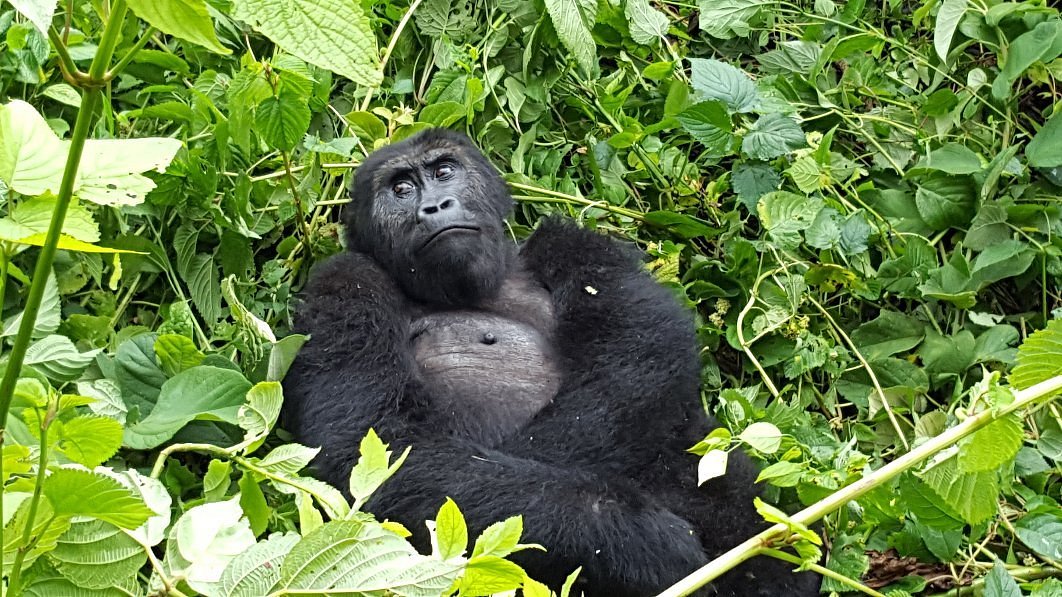
The mountain gorillas are the main reason most international travellers come to Bwindi. The park is home to roughly half of the world’s mountain gorilla population, making it one of the most important places on Earth for their conservation and one of the world’s premier destinations for gorilla trekking.
But gorillas are only part of the story.
Bwindi is an exceptionally diverse Afromontane forest with hundreds of plant species, more than 100 species of ferns, hundreds of forest bird species, butterflies and a wider collection of mammals and primates. UNESCO describes it as a biodiversity hotspot and one of the most important areas in Uganda for species associated with the Albertine Rift.
The experience is also physically different from a typical safari.
Gorilla trekking takes place on foot. The forest is steep, humid and dense, and the duration of a trek can vary considerably depending on where the gorilla family is located. Uganda Wildlife Authority states that treks may last approximately two to seven hours, with visitors receiving up to one hour observing a habituated gorilla family once they find them.
That means Bwindi is best suited to travellers who are looking for a close, immersive wildlife experience and are comfortable with physical activity, unpredictable weather and walking through challenging forest terrain.
If your idea of an African safari is primarily open savannah, big herds and vehicle-based game viewing, Bwindi may not be the destination you are looking for.
If, however, your idea of an unforgettable safari is standing quietly in a rainforest a few metres from a family of mountain gorillas, Bwindi is difficult to beat.

- Expert Advice
The forest can feel slow at first because you are walking rather than driving, visibility is limited by dense vegetation, and the terrain can be demanding. But that is precisely what makes finding the gorillas so rewarding. You are not simply being driven to an animal, you are entering its habitat and following the forest until you find it. Also, don't choose your Bwindi sector based only on the name of the park. Buhoma, Ruhija, Rushaga and Nkuringo are different trekking sectors, and your choice can have a major effect on where you stay and how your itinerary connects with the rest of Uganda.
- Apollo Musinguzi Contact Us
- Best Time to Visit
Best Time to Visit Bwindi Impenetrable National Park
June – September
(Peak Season)
Best Overall
December – February
(Dry Season)
Great Option
March – May & October – November (Dry Season)
Budget Friendly
Wildlife Highlights

Mountain Gorillas
Bwindi is home to roughly half of the world's mountain gorilla population, making gorilla trekking the park's defining wildlife experience.
Chimpanzees
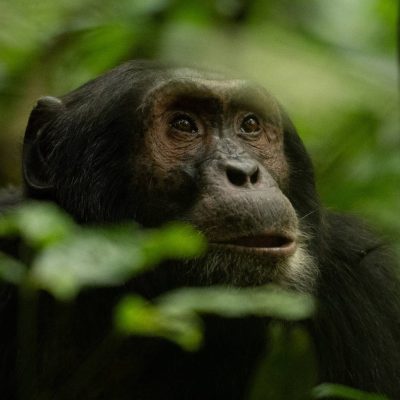
Bwindi supports an estimated 426 chimpanzees, although Kibale National Park remains Uganda's more established destination for dedicated chimpanzee tracking.
Forest Elephants
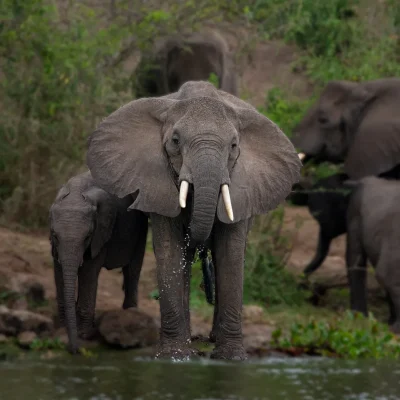
African forest elephants occur within Bwindi's wider ecosystem, but sightings are rare and should not be expected during a typical visit.
L'Hoest's Monkeys
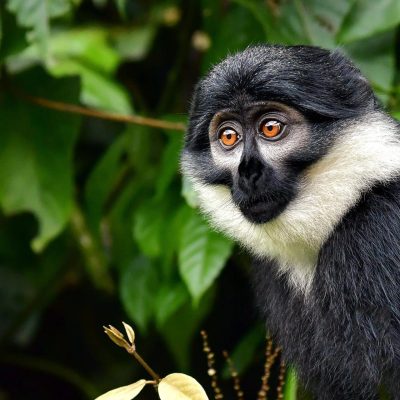
L'Hoest's monkeys are among Bwindi's notable Albertine Rift mammals, although sightings are unpredictable compared with habituated gorilla encounters.

Forest Birds
Bwindi supports more than 347 forest bird species, including numerous Albertine Rift endemics, making it an exceptional destination for specialist birdwatching.
TOP THINGS TO DO IN Bwindi Impenetrable National Park
Gorilla Trekking
Home to roughly half of the world's remaining mountain gorilla population, making gorilla trekking the park's defining experience.

Ancient Rainforest
A UNESCO World Heritage Site protecting one of Africa's most biologically diverse mountain forests.

Four Gorilla Sectors
Buhoma, Ruhija, Rushaga and Nkuringo offer different trekking bases and can shape how your safari is planned.

Year-Round Destination
Bwindi can be visited throughout the year, although rainfall, mud and trekking conditions vary considerably by season
Explore Bwindi Impenetrable National Park
Zanzibar
Tarangire National Park
Serengeti National park
Ruaha National Park
Nyerere National Park
Ngorongoro Crater
Getting There
By Road From Kampala
One common route runs from Kampala through Ntungamo and Rukungiri toward Kihihi and Buhoma.
Uganda Wildlife Authority describes approximately 390 kilometres of tarmac road to Rukungiri followed by around 82 kilometres of winding murram road to Buhoma.
Another route travels through Kabale and Kanungu toward Buhoma, with a longer murram-road section.
UWA recommends a 4WD vehicle for the rougher approaches.

From Queen Elizabeth National Park
Bwindi can also be incorporated into a wider western Uganda safari.
Travellers can approach Buhoma from the direction of Queen Elizabeth National Park through the Ishasha sector.
This route is particularly attractive when the itinerary includes Queen Elizabeth because travellers can potentially combine two very different experiences: savannah wildlife and mountain rainforest.
UWA places the distance at approximately 160 kilometres from Mweya and about 64 kilometres from Ishasha to Bwindi's Buhoma area, with much of the route on dirt roads.

By Air
Domestic flights can significantly reduce the amount of road travel.
UWA identifies scheduled flights from Entebbe to:
- Kisoro Airstrip — useful for the southern sectors, including Nkuringo and Rushaga
- Kihihi Airstrip — useful for the northern side, including Buhoma
UWA states that scheduled and chartered flights take approximately 1 hour and 10 minutes, followed by a 4WD road transfer to the relevant lodge or trekking area.
Where To Stay in Bwindi Impenetrable National Park
Pros and Cons of Visiting Bwindi Impenetrable National Park
Pros of Visiting Bwindi Impenetrable National Park
Things to Consider
PRACTICAL INFORMATION

Currency
Ugandan Shilling (UGX)
US Dollars are widely accepted for tourism-related payments.

Language
English is the official language.
Swahili and many local languages are also spoken.

Time Zone
East Africa Time (EAT)
UTC +3

Electricity
220–240V
British-style Type G plugs are commonly used.

Mobile & Internet
Mobile coverage is good in major towns and national parks.
Most lodges offer Wi-Fi access.
SAFETY & HEALTH

Safety Notes
Bwindi is generally considered safe for tourists. As with travel anywhere in the world, normal precautions should be observed.
Travellers should always follow the guide's instructions while on safari and stay informed about local travel advice.

Visa Requirements
Many nationalities require an eVisa before arrival.
The East Africa Tourist Visa may be available for travellers visiting Uganda, Kenya, and Rwanda on the same trip.

Health & Vaccinations
Yellow Fever vaccination is generally required.
Malaria prevention is strongly recommended.
Consult your healthcare provider before travelling.